
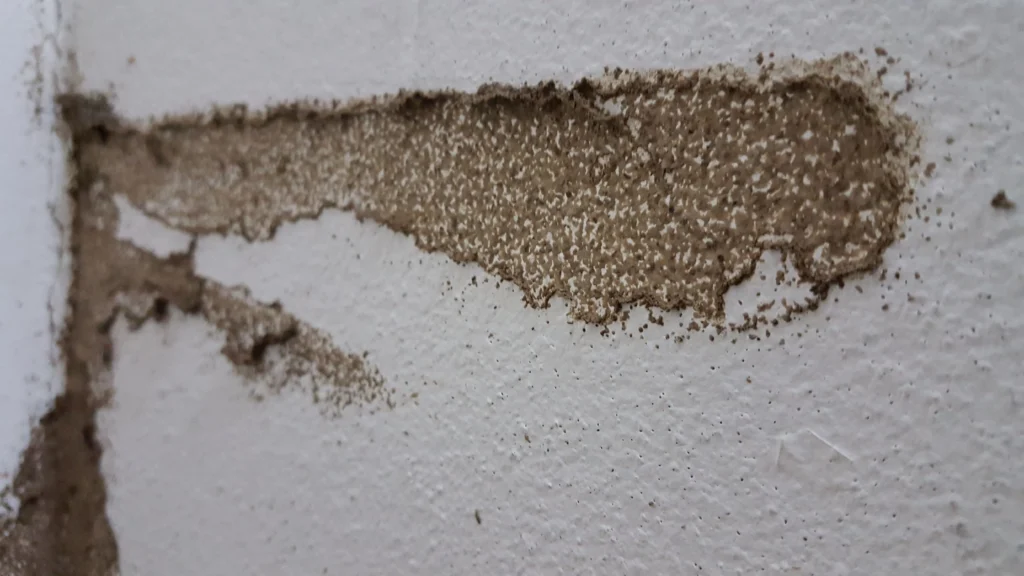
Subterranean and drywood termites eat the paper lining of drywall, leaving the gypsum core hollowed out. If you notice tiny pinholes or bubbling paint on your walls, you already have an active infestation.
Identifying Signs of Termites in Drywall
Termites work silently behind your walls, making visual inspections critical for early detection. Look closely at your baseboards, window frames, and the lower 2 to 3 feet of your interior walls.
Watch for these unmistakable symptoms of drywall termite damage:
- Pinholes: Tiny exit holes roughly 1/16 inch wide, often capped with a speck of dirt.
- Bubbling or peeling paint: Looks similar to water damage but feels brittle to the touch.
- Hollow sounds: Tapping the drywall produces a papery, hollow echo instead of a solid thud.
- Mud tubes: Pencil-sized dirt tunnels climbing up the exterior foundation to enter the walls.
- Frass: Piles of termite droppings near baseboards that resemble ground black pepper or sawdust.
Water Damage vs. Termite Damage
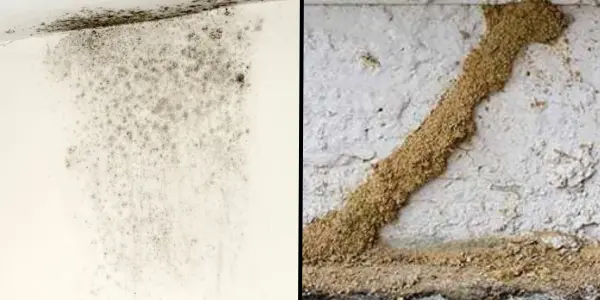
Homeowners frequently mistake termite activity for a slow plumbing leak. Both cause paint to bubble and drywall paper to ripple, but the underlying textures are entirely different.
Water-damaged drywall feels soft, spongy, and cool to the touch. Termite-damaged drywall feels dry, brittle, and crumbles easily under slight pressure from a screwdriver.
Root Causes of Indoor Termite Infestations
Termites enter your home seeking cellulose, moisture, and warmth. Subterranean species build colonies underground and bridge the gap to your drywall using mud tubes.
The most common vulnerabilities inviting termites include:
- Wood-to-soil contact anywhere around your home’s foundation.
- Excess moisture from leaky pipes, poor drainage, or clogged gutters.
- Cracks in the concrete foundation wider than 1/32 inch.
- Poor ventilation in crawl spaces leading to high humidity.
Step-by-Step Termite Solutions and Treatments
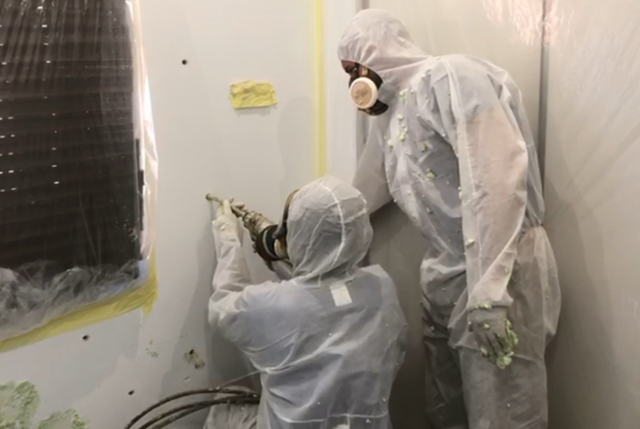
Eradicating termites requires professional-grade termiticides that transfer through the colony. Surface sprays will not reach the workers eating your drywall.
Follow these steps for effective termite control:
- Trenching: Dig a trench 6 inches wide and 6 inches deep around the exterior foundation.
- Apply Liquid Termiticide: Mix a Fipronil-based product like Termidor SC or Taurus SC. Use exactly 0.8 oz of concentrate per 1 gallon of water.
- Pouring: Apply 4 gallons of the mixed solution per 10 linear feet of trench.
- Foam Injection: For active indoor wall voids, use a foaming product like Spectracide Terminate or BioAdvanced Termite Killer. Drill holes every 16 inches between studs and inject.
- Bait Stations: Install Advance Termite Bait Stations every 10 to 15 feet around the yard perimeter to kill foraging workers.
People Also Ask (FAQ)
Do termites make a sound inside drywall?
Yes, soldier termites bang their heads against the drywall to warn the colony of danger. If you press your ear to the wall in a quiet room, this sounds like a faint, rapid clicking or rustling noise.
How fast can termites eat through drywall?
A mature colony of 60,000 subterranean termites can consume the equivalent of 1 foot of a 2×4 pine board in about 5 months. While they won’t destroy a house overnight, visible drywall damage means the colony has likely been active for months or years.
Can I treat drywall termites myself?
While you can apply DIY foam treatments like Ortho Home Defense Max for localized spot treatments, full eradication usually requires professional trenching. If the infestation spans more than 10 square feet or reaches structural beams, hire a certified pest control operator.