
The biggest pro of rubber mulch is its extreme longevity and pest resistance, while the main con is its high upfront cost and inability to enrich the soil. If you want a zero-maintenance yard or playground, it is a highly effective choice. However, plant-heavy landscape beds may suffer without the organic matter provided by traditional wood chips.
When upgrading your landscape, choosing the right ground cover is a critical investment. Rubber mulch, typically made from recycled tires, has flooded the market through major brands like Vigoro and NuScape. It promises to eliminate the grueling annual chore of re-mulching.
Before you cover your yard with thousands of pounds of shredded tire, you need to understand the science behind it. This guide breaks down exactly what you can expect when making the switch.
Key Characteristics: What Exactly Is Rubber Mulch?
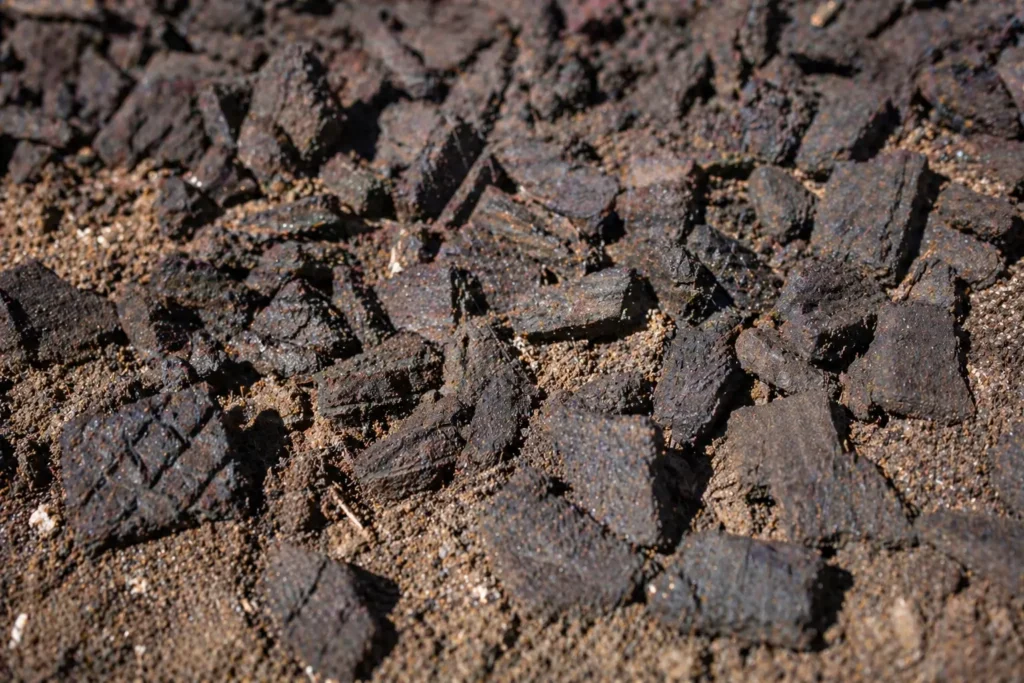
Rubber mulch is manufactured by grinding down discarded vehicle tires into small nuggets or shredded strips. The steel bands are magnetically removed, and the rubber is dyed. Here is what you are actually putting in your yard:
- Size Profile: Typically ranges from 0.5 inches to 1.5 inches in diameter, depending on if it is a nugget or shred.
- Weight: Heavier than wood, weighing roughly 15 to 20 lbs per cubic foot. This prevents washing away during heavy rain.
- Color Fastness: Baked-on polyurethane dyes usually guarantee color retention for 10 to 12 years.
- Permeability: Completely non-porous. Water and liquid fertilizers like Scotts Liquid Turf Builder flow right past it into the soil.
The Core Pros: Why Choose Rubber Mulch?
There are highly practical reasons professional landscapers recommend this material, especially for specific use cases like playgrounds or high-traffic commercial spaces.
- Extreme Durability: Traditional wood mulch rots away and needs top-dressing every spring. Rubber mulch easily lasts 10+ years, saving you countless weekends of manual labor.
- Superior Pest Control: Termites, carpenter ants, and roaches feed on or nest in decaying wood. Rubber offers zero food value, making it an excellent barrier against your home’s foundation.
- Weed Suppression: When installed at a depth of 2 to 3 inches, the dense weight blocks sunlight completely, stopping weed seeds from germinating.
- Impact Absorption: For playgrounds, an application of 6 inches of rubber mulch provides unmatched shock absorption, meeting national safety standards for fall heights.
The Core Cons: What Manufacturers Hide
Despite the heavy marketing, rubber mulch is not a miracle product. It carries serious drawbacks that make it highly destructive for specific landscape beds.
- Zero Soil Enrichment: Unlike cedar or hardwood mulch, rubber never breaks down. It provides zero organic matter to your soil microbiome. You are creating a sterile environment where your plants rely 100% on synthetic fertilizers to survive.
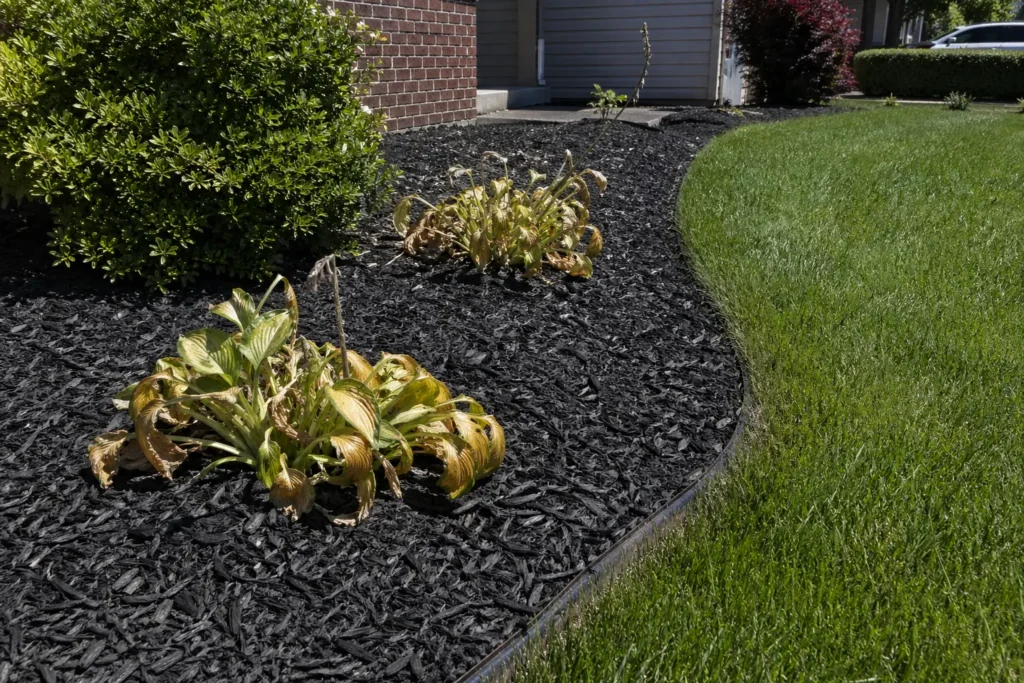
- Extreme Heat Retention: Rubber absorbs and radiates intense heat. In southern states, soil temperature probes consistently register 150°F+ at the root zone under rubber mulch during July and August. This will literally bake the shallow root systems of delicate plants like Hostas, Azaleas, and Japanese Maples.
- Chemical Leaching: As the tires slowly degrade under UV light, they leach heavy metals, specifically zinc, directly into the soil. Over a 10-year span, zinc toxicity stunts the growth of sensitive shrubs and permanently alters the soil pH.
- High Upfront Cost: Expect to pay $7 to $10 per 0.8 cubic foot bag at big box stores. This runs two to three times the cost of premium dyed wood mulch.
Step-by-Step Installation Guide
If the pros outweigh the cons for your yard, precise installation is non-negotiable. Skipping steps guarantees a permanent, costly mess. Expect a standard 500 sq ft project to take an entire weekend and cost around $400 to $600 in materials.
- Strip to Bare Dirt: Remove all existing wood mulch, weeds, and debris down to the mineral soil. Do not pour rubber over old wood mulch, as the decaying wood will create an uneven, spongy base, trap fungal spores, and eventually compromise the weed barrier. Use a flat shovel to scrape the grade smooth.
- Chemical Eradication: Kill off existing root systems to prevent future weed eruptions from beneath the fabric. Mix 2.5 fluid ounces of a 41% Glyphosate concentrate (like Roundup Pro or RM43) per gallon of water in a pump sprayer. Apply a heavy, even coat directly to the bare soil, targeting any remaining green tissue. Wait exactly 48 hours for the chemical to translocate down to the roots before proceeding. Wear nitrile gloves and long pants during application to minimize skin exposure.
- Install Commercial Grade Fabric: Never use cheap, perforated plastic. Roll out a heavy-duty, 20-year commercial woven weed barrier like Dewitt. Overlap the seams by at least 6 inches to prevent persistent weeds like Bermuda grass from punching through. Pin the fabric down tightly using 6-inch steel landscape staples driven in with a rubber mallet every 3 feet.
- Calculate and Pour: You need a precise depth of 2 inches for standard landscape beds, or a full 6 inches for playground fall zones to meet impact standards. Dumping bags haphazardly wastes expensive material. Pour the mulch in small, evenly spaced piles across the fabric.
- Level and Grade: Use a hard-tined steel bow rake to spread the nuggets evenly across the bed. Keep the mulch pulled back exactly 3 to 4 inches from the base of all tree trunks and delicate shrubs to prevent bark rot and severe heat damage to the crown.
Expert Comparison: Rubber Mulch vs. Traditional Wood Mulch
Homeowners frequently debate whether to make the switch. Let’s look at the hard facts.
Wood mulch improves soil pH and adds organic matter over time. However, it fades in exactly one season, washes away in heavy storms, and attracts destructive insects. It requires a lifetime subscription of annual labor and materials.
Rubber mulch is a “one and done” installation. It stays exactly where you put it, retains its rich color for a decade, and starves out pests. The tradeoff is a sterile soil environment that requires you to aggressively use chemical fertilizers to feed your plants, as the mulch will not do it for you.
Professional vs. DIY
Deciding whether to tackle a rubber mulch installation yourself depends entirely on the square footage of your yard. Buying individual 0.8 cubic foot bags from Home Depot works for small accent beds, but large properties demand bulk delivery.
| Feature | DIY (Bagged) | Professional (Bulk Delivery) |
| Cost | $7 – $10 per bag | $400 – $600 per cubic yard |
| Speed | 2-3 Days (Manual Hauling) | 4-6 Hours (Crew & Machinery) |
| Effectiveness | Moderate (Risk of uneven depth) | High (Laser-leveled grading) |
| Risk | High physical strain | Low (Contractor handles logistics) |
Call a professional landscaping crew if your project exceeds 500 square feet or if you need mulch installed around delicate, mature trees. Professionals use mechanized equipment to transport massive supersacks (weighing up to 2,000 lbs) directly to your beds, saving you from severe back strain and days of manual wheelbarrow labor.
Pro-Tips Box: Never install rubber mulch without a subsurface irrigation plan. Lay 1/2-inch drip tubing with 1.0 GPH pressure-compensating emitters directly under the landscape fabric before pouring the mulch. Since rubber repels water, top-watering is highly inefficient. For fall cleanup, set your commercial backpack leaf blower to a maximum of 400 CFM. Keep the nozzle angled horizontally, sweeping exactly 12 inches above the bed. This lifts dry oak and maple leaves off the surface without blasting the heavy rubber nuggets into your turf.
What to Read Next
Now that your landscape beds are dialed in with the right mulch, it is time to bring the rest of your yard up to professional standards. If you are upgrading your turf around those newly mulched borders, knowing exactly how much to water new sod is the difference between lush green grass and dead, wasted money.
Alternatively, if you only installed a rubber mulch boundary to eliminate edging chores because your string trimmer string keeps breaking against stones and hardscapes, check out our diagnostic guide to fix your weed eater for good.
People Also Ask (FAQ)
Does rubber mulch smell like tires?
Yes, newly installed rubber mulch will emit a distinct “hot tire” odor when baked in the direct sun. However, this off-gassing process typically dissipates completely within the first 2 to 3 weeks of outdoor exposure.
Can I use a leaf blower on rubber mulch?
Absolutely. Because rubber mulch is significantly heavier than wood chips, you can comfortably use a commercial leaf blower on a low-to-medium setting to clear autumn leaves without blowing the nuggets into your lawn.
Is rubber mulch safe for dogs?
Generally, yes, as it does not produce splinters or dust. However, if your dog is a chewer, ingesting rubber nuggets can cause severe gastrointestinal blockages that require immediate veterinary surgery. Monitor your pets closely.