
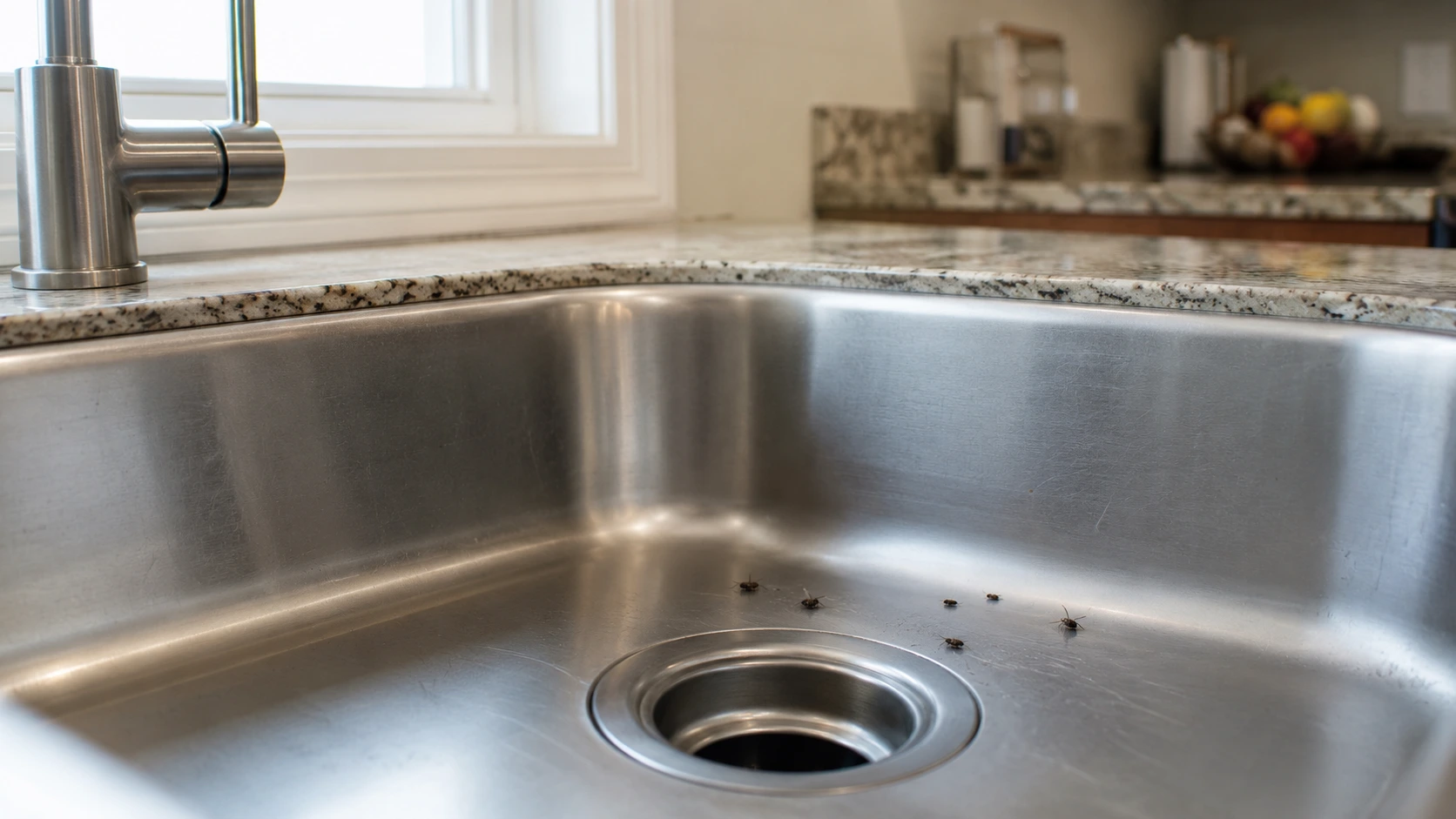
Drain gnats are dark, fuzzy, moth-like insects that breed in the thick organic slime lining your plumbing pipes. Fruit flies are tan or light brown with distinct red eyes, and they lay their eggs on fermenting produce or sticky spills. Eradicate drain gnats using thick enzymatic drain cleaners, and eliminate fruit flies by removing overripe food and deploying apple cider vinegar traps.
Identification Guide
You cannot treat an infestation until you know exactly what is flying around your kitchen. Both pests are roughly 1/8-inch long, but their appearance and behavior differ drastically.
- Drain Gnats (Moth Flies): Look closely at their wings. They have a fuzzy, heavily veined texture, making them look like miniature gray or black moths. Their bodies have a distinct heart shape when resting. They are weak flyers, often found hopping erratically or sitting motionless on bathroom tiles and kitchen walls near sinks.
- Fruit Flies: These have a sleek, tan to light-brown thorax and a dark abdomen. In good lighting, their bright red eyes are a dead giveaway. They are agile flyers that hover in tight circles around fruit bowls, empty beer bottles, or trash cans.
If you crush a drain gnat, it often leaves a powdery, dark smudge on the wall. A crushed fruit fly leaves a wet, yellowish smear.
Root Causes
Both of these nuisance pests enter your home seeking two things: moisture and decaying organic matter. However, their preferred breeding grounds are entirely separate.
Drain gnats thrive on a biological film called “zooglea.” This thick, gelatinous slime builds up inside the walls of your P-traps and garbage disposals from a mixture of hair, grease, soap scum, and food particles. The female drain fly burrows into this slime to lay up to 200 eggs at a time. The larvae hatch and feed safely inside this waterproof jelly, which is why running the faucet does not wash them away.
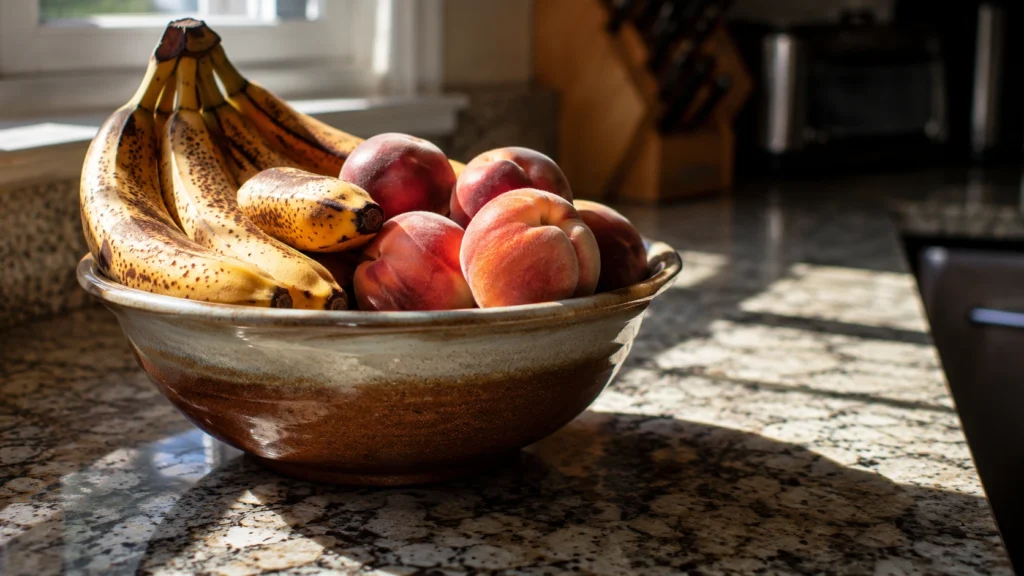
Fruit flies are attracted to the yeast generated by fermenting sugars. A single forgotten onion in the pantry, a sticky splash of soda under the refrigerator, or a trash can liner that leaked juice a week ago can trigger a massive population explosion. They hitchhike into your home as microscopic eggs on the skin of grocery store produce. Once inside, the warm temperatures of your kitchen accelerate their life cycle, turning a few eggs into hundreds of adults in less than ten days.
Step-by-Step Solution
Treating the wrong source guarantees the flies will return. Execute this protocol based on your specific pest.
Phase 1: The Tape Test (For Drain Gnats)
Before treating your pipes, confirm the source. Dry the metal ring around your drains before going to bed. Place a piece of clear packing tape over the center of the drain, sticky side down, leaving a small gap for airflow. Check it in the morning. If you find flies stuck to the tape, you have drain gnats.
Phase 2: Breaking the Biofilm (Drain Gnats)
Most homeowners pour boiling water or bleach down the drain and wonder why the flies return in three days. Bleach glides right over the waterproof slime where the larvae live.
- Scrub the pipe. Use a stiff, 1-inch cylindrical wire pipe brush. Plunge it up and down the drain a few times to physically tear the slime layer.
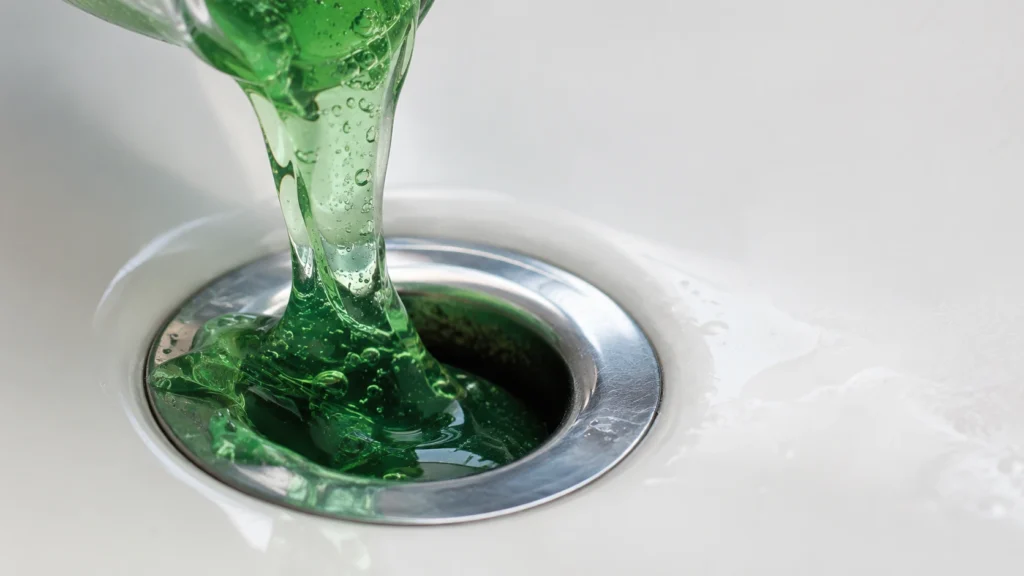
- Apply an enzyme cleaner. Pour 4 oz of a thick biological cleaner like InVade Bio Drain or Green Gobbler directly down the sides of the drain pipe.
- Let it digest. Do this right before bed so the bacteria have 8 hours to eat the organic matter. Repeat this for 5 consecutive nights.
Phase 3: Trapping and Starving (Fruit Flies)
- Remove the source. Throw away all overripe produce. Take the trash out immediately. Wipe down your counters and the seal around your dishwasher.
- Set a trap. You can buy Terro Fruit Fly Traps or build your own. Pour 2 oz of apple cider vinegar into a small cup, add one single drop of Dawn dish soap (to break the surface tension), and cover the cup tightly with plastic wrap.
- Poke three small holes in the plastic wrap with a toothpick. Place it near the fruit bowl. Replace the liquid every three days until the hovering stops.
Professional vs. DIY
| Factor | DIY | Professional |
| Cost | $ ($15–$30) | $$$ ($150–$300) |
| Speed | 5–7 Days | 1–3 Days |
| Effectiveness | High | Very High |
| Risk | Low | Low |
For 95% of homeowners, dealing with these tiny flies is a strictly DIY job. Enzyme cleaners and vinegar traps are highly effective when used correctly. You only need to call a licensed exterminator or a plumber if you have a recurring drain gnat problem that enzyme gels cannot fix. In my time in the field, stubborn drain gnat cases usually indicated a broken sewer line under the concrete slab, leaking raw sewage into the soil—a problem no amount of chemical can solve.
Common Misdiagnosis
Homeowners frequently mistake fungus gnats for both fruit flies and drain gnats. If you see tiny flying insects swarming around your indoor potted plants or hovering near your living room windows, you likely have fungus gnats.
Unlike the fuzzy drain gnat or the red-eyed fruit fly, fungus gnats look like microscopic mosquitoes with long, dangling legs. They breed in the top two inches of overwatered potting soil, feeding on root rot and soil fungi. To fix a fungus gnat issue, stop watering your plants until the top two inches of soil are bone dry, and apply a systemic insecticide granule containing Imidacloprid to the soil surface.
Prevention Tips
Keeping your kitchen and bathroom inhospitable to flies requires minor habit changes. Run water for 30 seconds every week in unused guest bathroom sinks and showers to keep the P-trap full; dry traps let sewer gases and flies drift straight into your home.
Clean your garbage disposal monthly by dumping two cups of ice cubes and half a lemon down the chute, then grinding it with cold water to freeze and shatter the grease buildup. During the summer months, store your tomatoes, bananas, and apples in the refrigerator rather than out on the counter. Taking out the indoor trash bags before they leak will stop a fruit fly infestation before it ever begins.
Pro-Tips Box: Stop wasting your expensive foaming aerosol insecticides down the drain. The pesticide runs right past the zoogleal film, and the chemical residue flushes away the next time you turn on the tap. Instead, apply a slow-draining biological gel like InVade Bio Drain using a 360-degree sprayer tip. Coat the underside of the garbage disposal splash guard—that black rubber flap is where I find 80% of drain fly pupae hiding in residential kitchens. Clean the flap with an old toothbrush first, then coat it in the gel.
People Also Ask
Do drain gnats or fruit flies bite?
No, neither species possesses biting mouthparts. They cannot pierce human skin or feed on blood. Their primary threat is sanitation; they land on raw sewage or rotting garbage and then transfer those bacteria to your clean kitchen counters and food preparation surfaces.
Can I use bleach to kill drain flies?
Bleach is ineffective against drain fly larvae. The larvae are protected by a thick, waterproof gelatinous film inside your pipes. Liquid bleach simply runs over the top of this slime without penetrating it. You must use biological enzyme cleaners to eat away the protective slime layer.
How long do fruit flies live indoors?
Under ideal room temperatures (around 70°F to 80°F), an adult fruit fly lives for 40 to 50 days. During that short lifespan, a single female can lay up to 500 eggs. This rapid reproduction is why missing even one breeding source leads to immediate reinfestation.
What to Read Next
If you are dealing with other flying insects indoors and aren’t quite sure what they are, it helps to understand exactly what you are looking at. Wing shapes and behavior patterns are key identifiers, which is why knowing how to visually distinguish if termites have wings or if you are just looking at flying ants can save you from a major structural panic.