
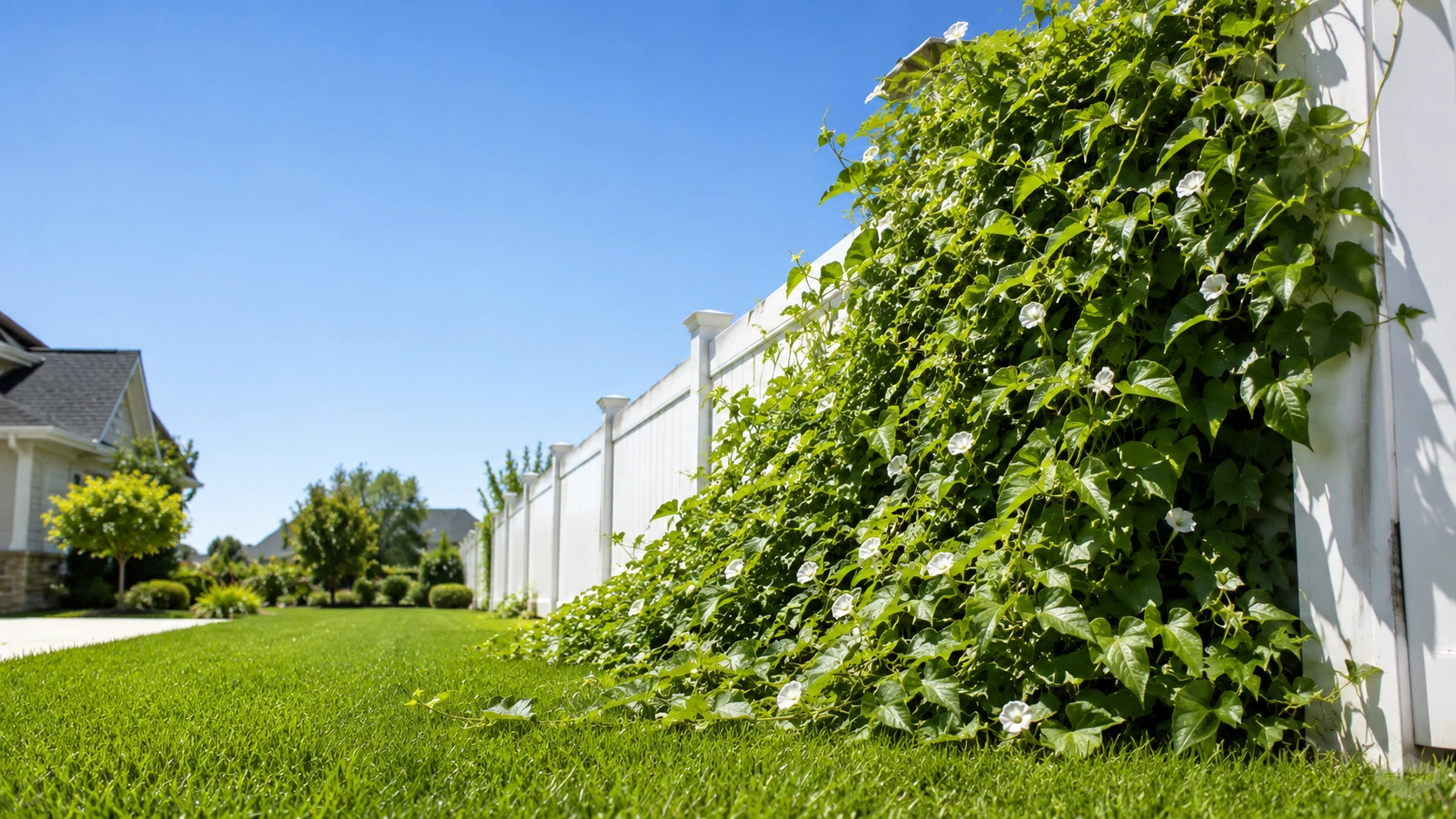
Field bindweed is a highly invasive perennial weed with arrow-shaped leaves and massive underground rhizome networks that choke out your lawn and shrubs. Morning glory is an intentional, annual ornamental vine with heart-shaped leaves, large colorful blooms, and a shallow root system. You must kill bindweed chemically; pulling it breaks the root fragments and multiplies the infestation across your yard.
Identification & Misdiagnosis
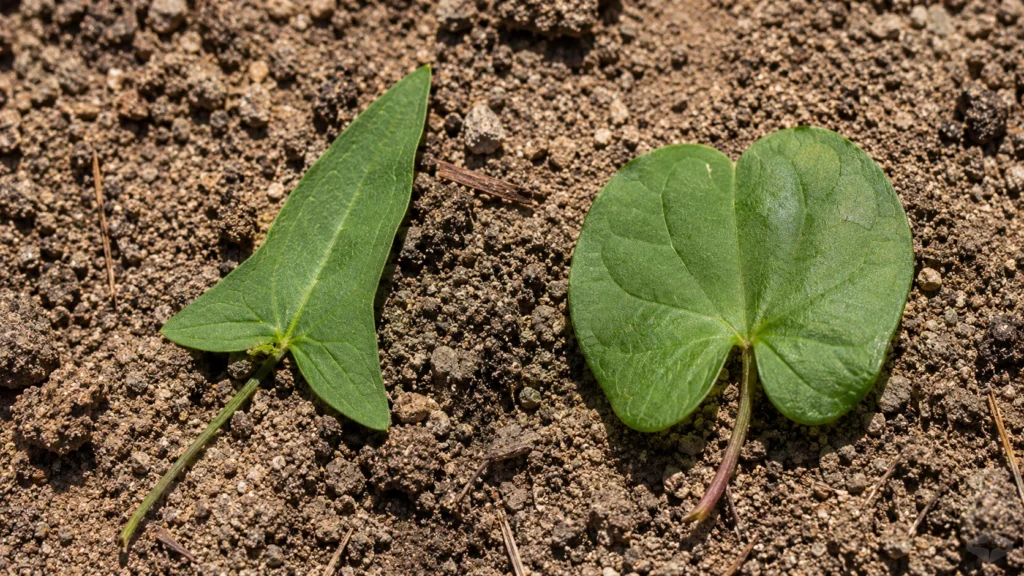
Telling these two vines apart early dictates whether you apply herbicide or let the plant bloom on your trellis. Bindweed (Convolvulus arvensis) is an aggressive survivor. Its leaves are small—usually 1 to 2 inches long—and distinctly shaped like an arrowhead or a spade. The flowers are equally small, roughly the size of a nickel or quarter, and typically white or pale pink.
Morning glory (Ipomoea purpurea) is cultivated on purpose. You will spot large, perfectly heart-shaped leaves measuring 2 to 4 inches across. The trumpet-shaped flowers are showy, spanning up to 3 inches wide in deep blues, purples, or magentas.
In the field, I check the roots first. Grab a morning glory vine near the soil and pull; it usually slides out of the dirt easily like a wet spaghetti noodle. Grab field bindweed and pull, and you will feel a sharp snap just below the soil line. That snap is the rhizome breaking, leaving the main root alive to shoot up three new vines next week.
Pro-Tips Box: Never use a rototiller to clear an overgrown patch of field bindweed. The blades chop the extensive underground rhizome network into thousands of 1-inch pieces. Every single fragment left in the soil will sprout a brand-new weed, turning a small nuisance into a total yard takeover within two weeks.
Root Causes & Attractants
Bindweed thrives in heavy, compacted clay soils and areas of your yard suffering from drought stress. While turfgrass goes dormant and weak during hot, dry spells, bindweed’s root system—which can reach 20 feet deep—taps into hidden moisture reserves, allowing it to overtake a weakened lawn rapidly.
Seeds are another massive issue. A single bindweed plant produces up to 500 seeds that remain viable in the soil for 50 years. Any time you disturb the dirt by edging, planting new shrubs, or aerating during the wrong season, you expose dormant seeds to the sunlight and heat they need to germinate.
Eradication Plan (Step-by-Step)
Killing field bindweed requires systemic herbicides that travel down the vascular tissue into the deep root system. Contact killers like vinegar or organic soaps are completely useless here—they burn the top leaves, leaving the rhizome intact.
Selective Herbicide for Lawns
If bindweed is creeping through your turf, you need an active ingredient that kills the vine but spares the grass. Quinclorac is the industry standard for this.
- Product: Drive XLR8 (Quinclorac 18.92%)
- Mix Rate: 1.45 fl oz of Drive XLR8 + 0.55 fl oz of methylated seed oil (MSO) surfactant per gallon of water.
- Coverage: 1 gallon treats 1,000 sq ft.
- Expectations: You will see the vines twist and curl within 4 to 7 days. Complete death takes 14 to 21 days.
- Follow-up: A second application is almost always necessary 21 days later to kill late-emerging shoots.
Non-Selective Treatment for Flower Beds
When bindweed overtakes mulch beds or wraps around your ornamental shrubs, selective herbicides risk damaging your desired plants.
- Product: Roundup Weed & Grass Killer (Glyphosate 2%) or a Triclopyr brush killer.
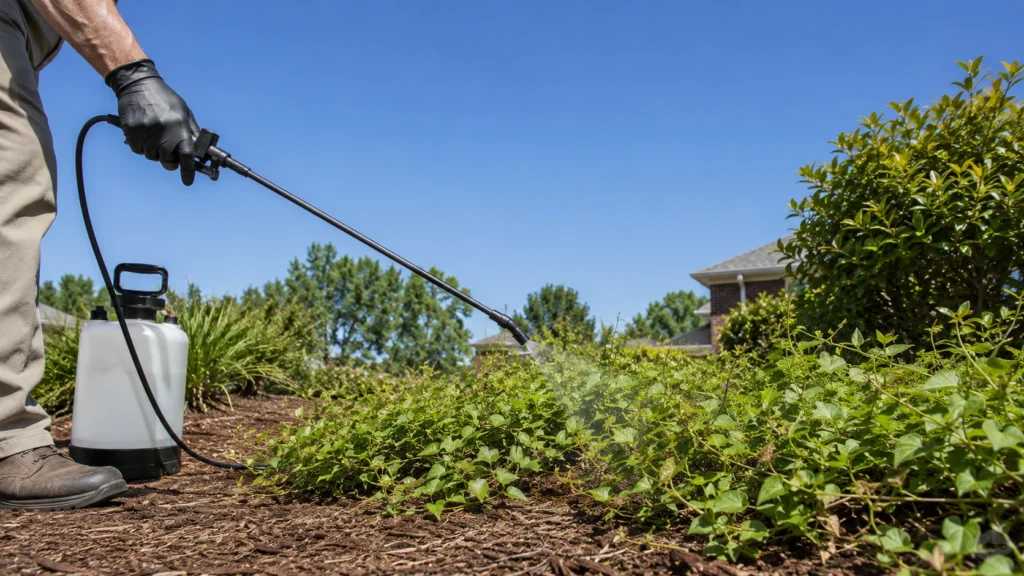
- Application: Do not spray indiscriminately. Use a sponge or a dedicated paintbrush to paint the Glyphosate directly onto the bindweed leaves. This prevents drift from killing your expensive landscaping.
- Timing: Apply during late summer or early fall. The plant moves carbohydrates down into its roots to survive the winter, dragging the herbicide deep into the rhizome network.
Pet & Child Safety Warnings
Keep dogs, cats, and kids completely off the treated area until the herbicide is 100% dry. With Quinclorac and Triclopyr mixtures, this re-entry interval is typically 2 to 4 hours on a sunny day. If you apply Glyphosate using the sponge method in your beds, fence off the area for at least 24 hours to ensure pets do not brush against the wet chemical and ingest it while grooming.
Professional vs. DIY
| Feature | DIY Bindweed Control | Professional Lawn Service |
| Cost | $40–$70 (Herbicide + MSO) | $80–$150 per treatment |
| Speed | 14–21 days | 7–14 days |
| Effectiveness | High (if instructions followed) | Very High |
| Risk | Collateral damage to shrubs | Low |
Many homeowners waste hundreds of dollars applying standard weed-and-feed granular products, expecting them to kill bindweed. Granular herbicides slide right off the narrow leaves of this vine. If your bindweed infestation covers more than 30% of your yard, hire a professional. Licensed applicators use boom-sprayers calibrated for exact droplet sizes and have access to restricted-use commercial herbicides that hit harder than big-box store chemicals.
Prevention Tips
- Thick Turf Canopy: Mow your grass high, around 3.5 to 4 inches for cool-season grasses like Tall Fescue. A dense, tall canopy shades the soil and blocks the sunlight bindweed seeds need to germinate.
- Pre-Emergent Application: Apply a pre-emergent herbicide like Prodiamine (Barricade) in early spring when soil temperatures reach 50°F. This will not kill established bindweed rhizomes, but it stops the thousands of dormant seeds from sprouting.
- Deep, Infrequent Watering: Water your lawn providing 1 to 1.5 inches of water once a week. Shallow, daily watering encourages weak grass roots and leaves the surface moist—perfect conditions for weed seeds to take hold.
People Also Ask
Does pulling bindweed make it worse?
Yes. Pulling field bindweed by hand leaves fragments of its deep rhizome root system in the soil. Each broken piece will quickly regenerate into a completely new plant, multiplying your weed problem.
Is bindweed toxic to dogs?
Field bindweed contains alkaloids that are mildly toxic to dogs, cats, and horses. Ingestion of the vines or seeds can cause gastrointestinal distress, vomiting, and lethargy.
Does vinegar kill field bindweed?
No. Horticultural vinegar acts strictly as a contact burn herbicide. It will fry the visible leaves of the bindweed, but the extensive underground root system remains completely unaffected and will push new growth within days.
What to Read Next
Timing your lawn care tasks correctly is critical when battling aggressive perennial weeds, which is why knowing whether to mow before weed and feed applications can determine if your chemical treatments succeed or fail entirely.