
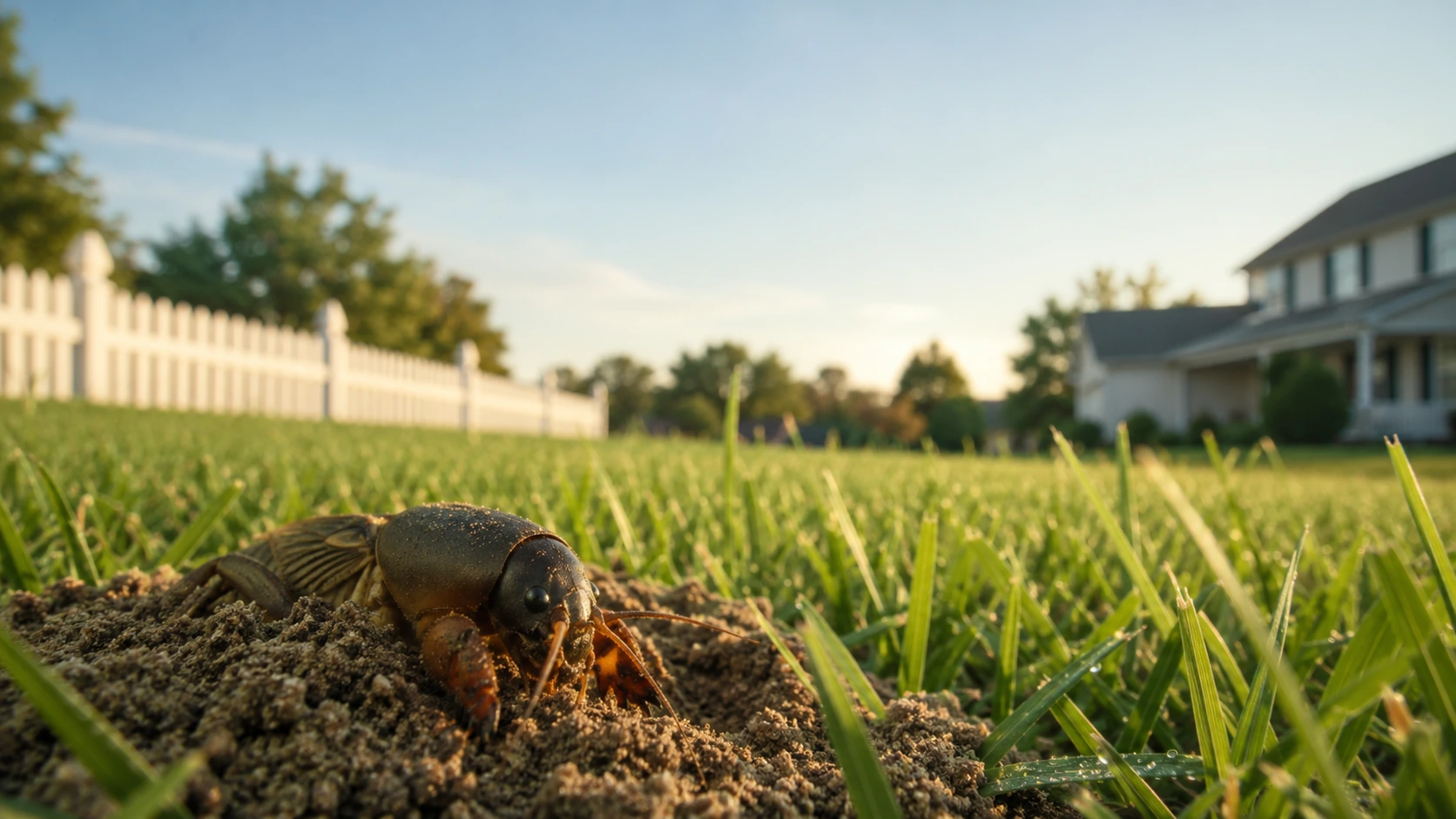
Are mole crickets dangerous to humans or pets? No. They do not bite, they lack stingers, and they do not transmit diseases. If you pick one up, you might feel a mild scratching sensation from their heavily armored, shovel-like front legs trying to dig into your skin, but they are entirely harmless to you. To your lawn, however, they are highly destructive. A heavy infestation will tunnel aggressively through the top inch of soil, severing the root systems of your turfgrass and causing massive, rapid dieback.
Identification & Misdiagnosis
Mole crickets look like a bizarre hybrid between a lobster and a grasshopper. Adults reach about 1.25 to 1.5 inches in length, featuring a dull brown, heavily armored thorax, and massive front claws adapted specifically for excavating soil.
You will rarely see them on the surface during the day. Instead, you spot the damage. Their tunneling pushes up the soil, creating miniature, raised ridges that look like tiny mole tunnels winding through the grass. The turf above these tunnels dries out quickly, turns brown, and dies.
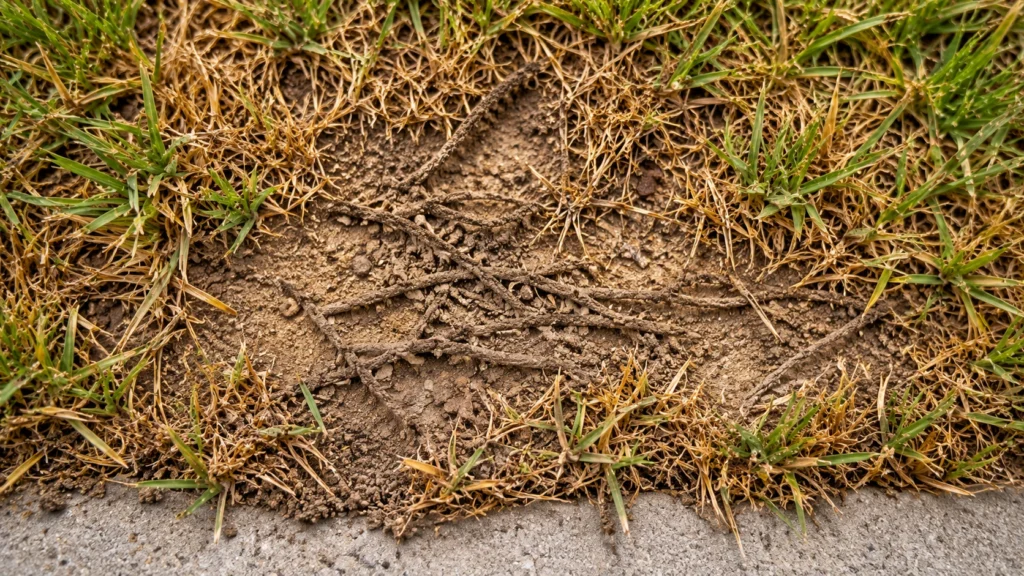
In most cases I’ve seen across sandy Florida neighborhoods, homeowners misdiagnose early mole cricket damage as simple drought stress. They increase their irrigation times, which actually creates the perfect damp environment for these pests to thrive and tunnel even faster. You end up watering dead grass while accelerating the infestation.
To confirm their presence, use a soapy water flush test. Mix 2 tablespoons of liquid dish soap (like Dawn) into 2 gallons of water in a watering can. Pour this mixture over a 2-square-foot area of damaged turf early in the morning. The soap irritates their exoskeletons. If you have an active infestation, mole crickets will break the surface and scramble out within 3 to 5 minutes.
Root Causes & Attractants
These pests favor warm-season grasses growing in sandy soils. Bahiagrass and Bermudagrass are their absolute favorites, though they will readily attack Centipedegrass and Zoysia. If your yard sits in the Southeastern United States or along the Gulf Coast, you are in prime mole cricket territory.
Excessive moisture is the primary attractant. Lawns that are watered too frequently or suffer from poor drainage provide the soft, easily workable soil these insects require for rapid tunneling and egg-laying. Furthermore, adult mole crickets fly at night during their spring mating season (typically March through May). Bright outdoor floodlights or unshielded porch lights draw them into your yard from surrounding properties. Once they land, they burrow into the turf and begin laying eggs.
Eradication Plan (Step-by-Step)
Stopping a mole cricket infestation requires precise timing and pushing the chemical down past the thatch layer where they live.
Step 1: Pre-Water the Lawn
Mole crickets dig deeper into the soil profile during dry periods to find moisture. Applying chemicals to bone-dry soil is a waste of money. Irrigate your yard with about 0.5 inches of water late in the afternoon, the day before you plan to treat. This moisture encourages the insects to move closer to the surface.
Step 2: Apply the Insecticide
For DIY control, active ingredients like Bifenthrin (contact killer) or Imidacloprid (systemic) yield the best results.
- Liquid Application: Mix Talstar P (Bifenthrin) at a rate of 0.5 to 1.0 fl oz per gallon of water in a pump sprayer. Cover 1,000 sq ft per gallon.
- Granular Application: Spread a product like BioAdvanced Complete Insect Killer (Imidacloprid + Beta-cyfluthrin) evenly across the lawn using a broadcast spreader set to the manufacturer’s recommended dial setting. Expect to spend around $40–$60 for enough product to treat a 10,000 sq ft yard.
Apply the treatment late in the afternoon or early evening, right before the pests become most active.
Step 3: Water the Product In
If you use granular insecticides, you must water the lawn immediately after application. Run your sprinklers to apply about 0.25 inches of water. This dissolves the granules and pushes the active ingredient down into the root zone. Failure to water in granular treatments is the number one reason DIY applications fail. Don’t expect overnight results; it typically takes 5 to 7 days to see a massive drop in surface activity.
Pro-Tips Box: Most homeowners make the fatal mistake of applying insecticides in late September when turf damage peaks, but by then, adult mole crickets are heavily armored and highly resistant to surface sprays. You need to time your application for late June or early July right after the spring eggs hatch. At this nymph stage, they feed close to the surface and are exceptionally susceptible to a contact killer like Bifenthrin mixed at 0.5 to 1.0 fluid ounces per gallon of water. Before you waste money spraying your entire yard, always confirm their exact location with a flush test: mix two tablespoons of liquid dish soap into two gallons of water, pour it over a two-square-foot patch of damaged grass, and wait three to five minutes for them to break the surface.
Pet & Child Safety Warnings
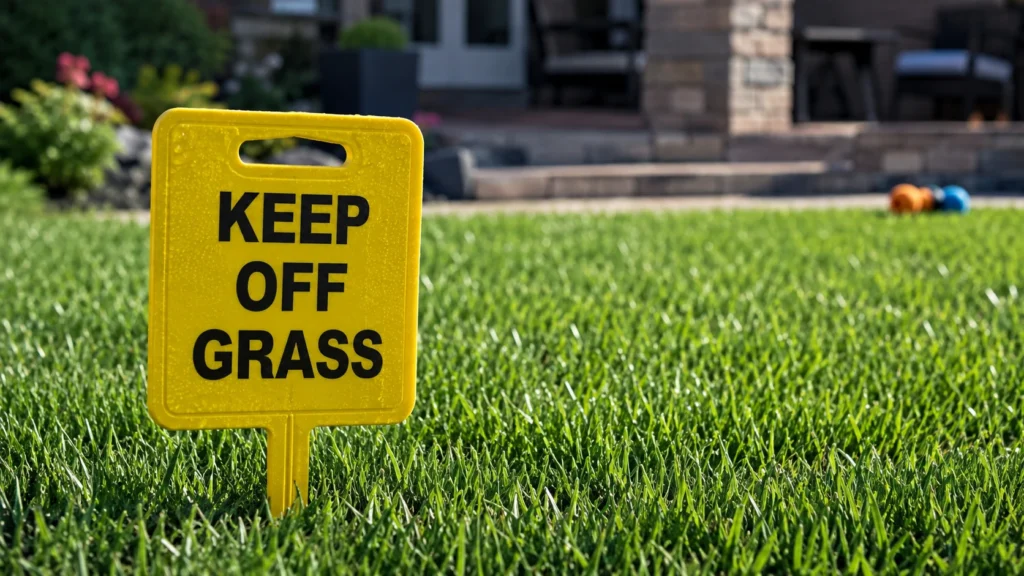
When using heavy-hitting insecticides like Bifenthrin or Imidacloprid, strict adherence to the label’s re-entry interval is non-negotiable. Keep all children and pets off the treated turf entirely. If you applied a liquid spray, wait until the product has completely dried onto the grass blades—usually 2 to 4 hours depending on humidity and temperature. If you applied granular products and watered them in, wait until the surface of the grass is dry to the touch before allowing foot traffic.
Professional vs. DIY
| Feature | DIY Control | Professional Exterminator |
| Cost | $40 – $80 per application | $150 – $300 per treatment |
| Speed | Immediate action, results in 7 days | Requires scheduling, results in 3-5 days |
| Effectiveness | High for nymphs in summer | High year-round, access to restricted chemicals |
| Risk | Misapplication burns turf or fails | Minimal risk, guaranteed retreatments |
Tackling mole crickets yourself is highly effective if you catch them early in the summer using the flush test and apply products correctly. If you discover the problem in late fall when the adults are massive and the lawn is rapidly turning into bare dirt, call a professional. At that stage, over-the-counter products struggle to penetrate their armor. Professionals have access to restricted-use products like Fipronil (Termidor) applied via slit-injection machines that place the chemical directly into the soil profile, bypassing the surface entirely.
Prevention Tips
- Adjust Your Irrigation: Water your lawn deeply and infrequently. Aim for 1 inch of water per week, applied in a single morning session. Daily, shallow watering keeps the topsoil perpetually damp, creating a highly attractive breeding ground.
- Manage Night Lighting: Swap bright white floodlights for yellow bug lights. Keep exterior lights off during the spring mating flights to avoid drawing adult swarms from neighboring yards.
- Maintain Soil Health: Core aerate your lawn once a year in the spring to reduce soil compaction. Healthy, deep-rooted grass can withstand and recover from minor insect feeding much better than a shallow-rooted, stressed lawn.
People Also Ask
Can a mole cricket bite humans or pets?
Mole crickets cannot bite or sting humans or pets. Their mouthparts are built strictly for chewing plant roots and organic matter, and they lack any venom or stinger. While their spiked front digging legs can scratch your skin if held, they pose zero physical danger.
How do you know if you have mole crickets?
You will notice small, raised tunnels of disturbed soil winding through your lawn, accompanied by rapidly browning, dying grass. Pushing a mixture of two tablespoons of liquid dish soap and two gallons of water over the suspected turf forces these subsurface pests to the surface within minutes.
What kills mole crickets permanently?
Applying a subsurface contact insecticide like Bifenthrin or a systemic like Imidacloprid during early summer targets the vulnerable nymph stage. Granular products require immediate watering with a quarter-inch of irrigation to activate the chemical and push it deep into the soil profile where they feed.
What to Read Next
Turf destruction caused by underground pests can look very similar depending on the season. If your grass is pulling up like a loose carpet but you don’t see the classic raised dirt tunnels, you might be misdiagnosing the insect entirely. Identifying Grub Damage vs Fungus is a vital skill that prevents you from spraying the wrong chemical on a dying lawn.