
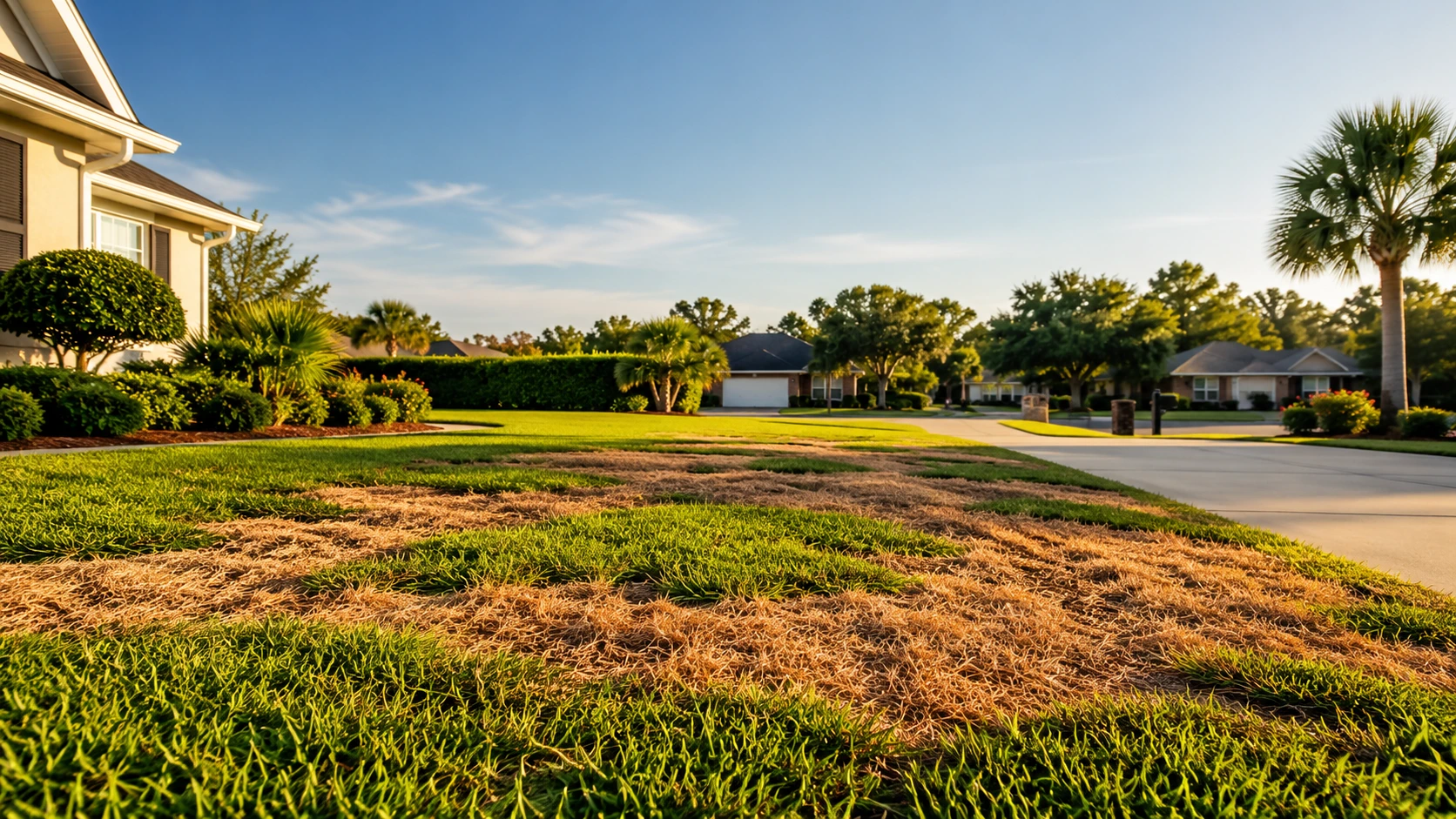
Chinch bugs inject a toxin into grass blades that stops water absorption, turning patches of your lawn brown and brittle within days. The most effective chinch bug lawn treatment is an immediate broadcast application of a pyrethroid like Bifenthrin, combined with a systemic insecticide like Imidacloprid. You must water the liquid or granular product deep into the thatch layer where the bugs hide, applying 0.5 to 1.0 oz of liquid concentrate per 1,000 sq ft for rapid knockdown.
Eradication Plan: How to Kill Chinch Bugs Fast
Stopping an active infestation requires a two-pronged attack: killing the adult bugs actively feeding and creating a residual barrier to kill the nymphs hatching over the next few weeks.
Step 1: The Liquid Knockdown
A fast-acting contact insecticide is your first line of defense. Bifenthrin (found in products like Talstar P or Ortho Bug B Gon Max) provides an immediate kill.
- Mix rate: 0.5 to 1.0 fluid oz per 1 gallon of water per 1,000 sq ft.
- Cost: Around $30–$45 for a bottle of concentrate.
- Expectations: You will see dead bugs within 24 to 48 hours. The brown, damaged grass will not turn green immediately; your goal right now is stopping the spread.
Most homeowners apply the product with a simple hose-end sprayer and wonder why it fails. The mistake is not using enough water carrier. Chinch bugs hide deep in the thatch layer near the soil crown. If you just lightly mist the top of the grass blades, the chemical never reaches the target. Spray heavily and follow up with a light 5-minute sprinkler cycle to wash the product down into the canopy.
Step 2: Granular Residual Barrier
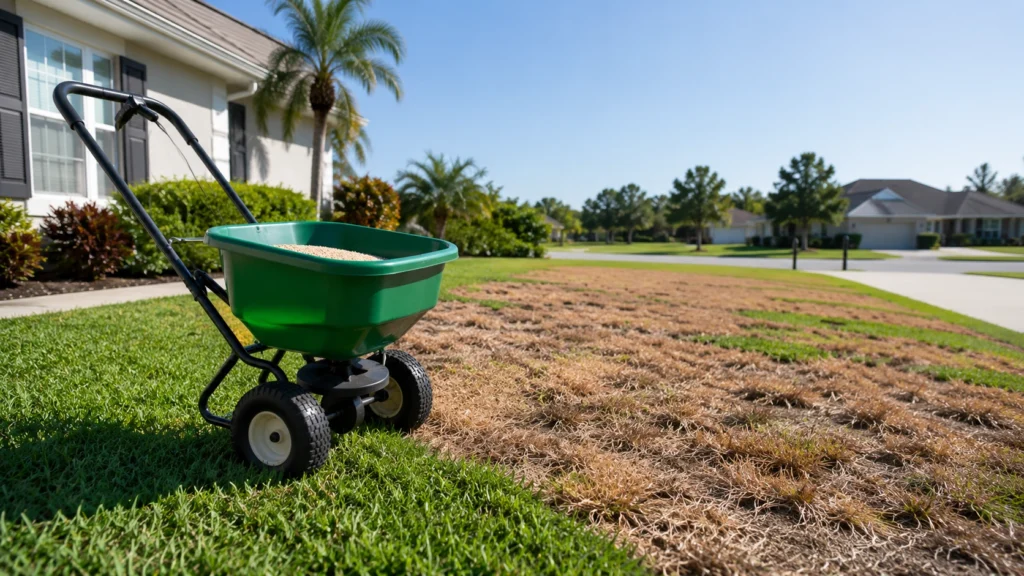
Apply a granular systemic insecticide 7 to 10 days after your liquid application. Products containing Imidacloprid (like BioAdvanced Season Long Grub Control) work perfectly because the grass roots absorb the chemical. When new chinch bugs bite the blade, they ingest the poison.
- Application rate: 2 to 3 lbs of granules per 1,000 sq ft using a broadcast spreader.
- Watering: This is critical. You must water the granules in with at least 0.25 to 0.5 inches of irrigation immediately after application.
In most cases I’ve seen in humid climates like Florida, homeowners skip watering in the granular bait. If you leave granules sitting dry on the soil surface, the chemical degrades rapidly under intense UV light, wasting your money and letting the infestation recover.
Step 3: Thatch Breakdown
Once the bugs are dead, you need to repair the damage. Heavy thatch is a breeding ground for these pests. Once temperatures cool down slightly, rent a core aerator to pull plugs from the lawn, relieving compaction and breaking up the thick thatch layer that harbored the colony.
Identification & Misdiagnosis
Chinch bug damage mimics severe drought stress. You will notice irregular yellowing patches that quickly turn a crisp, dead brown, usually starting near driveways, sidewalks, or curbs where the soil gets the hottest.
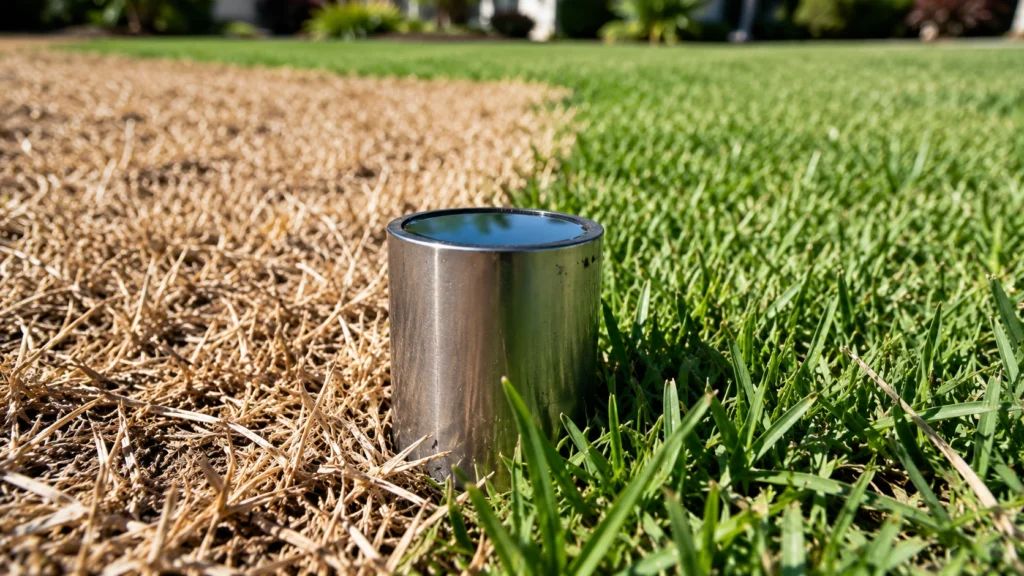
Before you dump chemicals on your yard, confirm the pest. Perform the “coffee can test.” Cut both ends off a metal coffee can or a large soup can. Push it 2 inches deep into the soil right on the border where the dead brown grass meets the healthy green grass. Fill the can with water. Wait 5 to 10 minutes. If you have chinch bugs, they will float to the surface. They are tiny (about 1/5 of an inch long), black with white wings folded over their backs in an X shape.
If you don’t see them floating, do not apply Bifenthrin. Applying insecticide to a lawn suffering from fungal disease or pure heat stress will severely damage the fragile soil microbiome for no reason.
Root Causes & Attractants
Chinch bugs do not attack randomly. They target specific lawn conditions that make feeding and breeding easy.
- Excessive Thatch: A thatch layer thicker than 0.5 inches acts as a protective blanket. It blocks water and pesticides from reaching the soil while providing a humid, dark environment for nymphs to thrive.
- Over-Fertilizing with Nitrogen: Dumping fast-release nitrogen on your lawn in the middle of summer forces rapid, soft, sappy blade growth. Chinch bugs love feeding on this tender new tissue.
- Drought and Heat: Hot, dry weather stresses the turf, weakening its natural defenses. Chinch bugs thrive in the heat, rapidly accelerating their reproductive cycle when temperatures climb above 85°F.
Pro-Tips Box: If your St. Augustine grass is heavily infested, standard Bifenthrin might not cut it due to localized resistance. Look for products containing Clothianidin (like Arena). Apply it at 0.4 oz per 1,000 sq ft. It provides both systemic and contact activity. Always mow the lawn before applying any liquid treatment to remove the top canopy, giving your spray a direct path to the thatch where the bugs are actually hiding.
Pet & Child Safety Warnings
Safety comes down to strict adherence to re-entry intervals. When treating your lawn with Bifenthrin or Imidacloprid, keep all dogs, cats, and children off the grass completely.
For liquid applications, the yard is strictly off-limits until the spray has completely dried. Depending on humidity and wind, this takes anywhere from 2 to 4 hours. For granular treatments, the yard is unsafe until you have watered the product deep into the soil and the grass blades have subsequently dried from that irrigation cycle. Never let pets chew on treated grass or drink from puddles formed during the watering-in phase.
Professional vs. DIY
| Factor | DIY Approach | Professional Service |
| Cost | $40 – $75 per application | $100 – $150 per treatment |
| Speed | Immediate if you have the gear | 2 to 5 days for scheduling |
| Effectiveness | High for mild to moderate cases | Very high, access to restricted chemicals |
| Risk | Misapplication burns grass or fails | Low, guaranteed retreatments usually included |
Handling a chinch bug outbreak yourself is entirely possible if you catch it early and calibrate your sprayer correctly. You can buy commercial-grade active ingredients online.
If you have St. Augustine grass and you wake up to find 50% of your front yard completely decimated, call a pro. Once an infestation reaches critical mass, DIY methods often fail because the sheer volume of bugs requires restricted-use combination products like Allectus (Imidacloprid + Bifenthrin) that unlicensed homeowners cannot legally purchase. A technician will blanket the property at the exact correct pressure to penetrate the heavy St. Augustine thatch.
Prevention Tips
Stop the next generation from taking hold by altering your lawn maintenance routine.
- Dethatch Annually: Keep your thatch layer under 0.5 inches by running a dethatcher in the early spring or fall.
- Shift Your Fertilizer: Switch to slow-release organic fertilizers or lower-nitrogen blends during the peak heat of July and August.
- Deep Watering: Water your lawn deeply and infrequently. Aim for 1 to 1.5 inches of water per week, applied in just one or two heavy morning sessions. This encourages deep roots that survive pest damage much better than shallow, daily-watered roots.
People Also Ask
Will chinch bugs go away on their own?
No. Chinch bugs will continue feeding and multiplying as long as the weather stays warm and there is live grass to eat. They overwinter in the thatch and will return aggressively the following spring if left untreated.
Will grass grow back after chinch bug damage?
Lightly damaged grass can recover in 3 to 4 weeks with proper watering and light fertilization. However, grass that is completely brown and crispy is dead and will need to be reseeded or re-sodded once the bugs are eradicated.
Can I use dish soap to kill chinch bugs?
Dish soap mixed with water can kill on contact by suffocating the bugs, but it offers zero residual protection. It is highly ineffective for a full lawn infestation and will not stop eggs from hatching a week later.
What to Read Next
Misdiagnosing lawn damage is the fastest way to waste money on chemicals you don’t need. Brown patches in the summer can be caused by multiple pests or diseases, which is why understanding the difference in our guide on Grub Damage vs Fungus will save you time and save your turf from unnecessary chemical stress.