
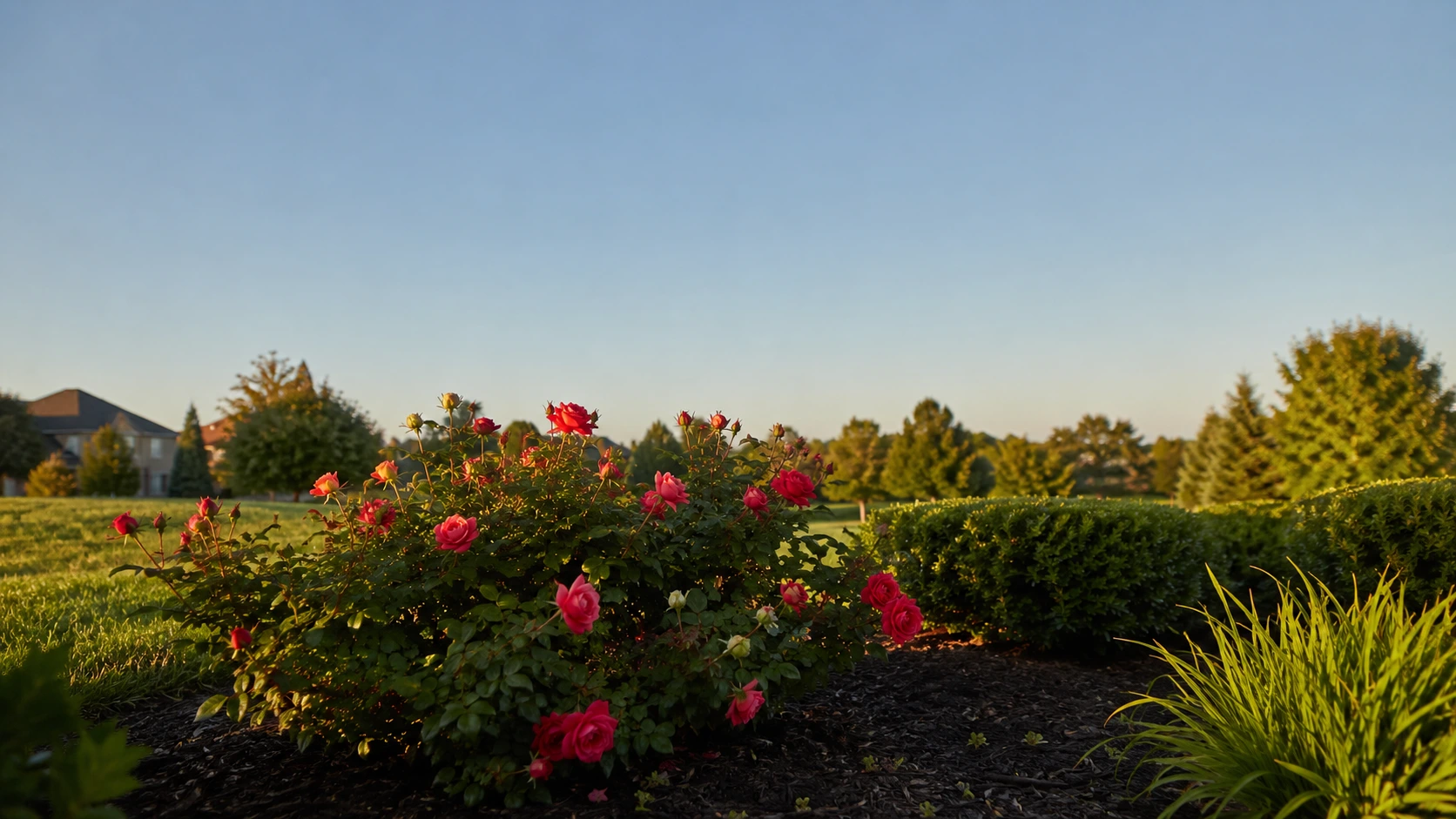
Rose flower buds fall off before opening—a condition known as “bud drop” or “bud blast”—primarily due to microscopic rose midges, severe thrip infestations, or Botrytis blight. Sudden fluctuations in soil moisture and extreme heat waves also force the shrub to abort its blooms to conserve energy. Saving the remaining buds requires immediately identifying whether you are dealing with pest damage (blackened stems) or fungal rot (gray fuzz), followed by a targeted systemic treatment.
Identification & Misdiagnosis
You walk out to your yard expecting a full flush of blooms, only to find the buds lying on the mulch. Accurately diagnosing the cause dictates your exact next move. In my 15 years in the field, I’ve seen homeowners rip out perfectly good rose bushes thinking they were severely diseased, when a microscopic rose midge infestation was the true culprit.
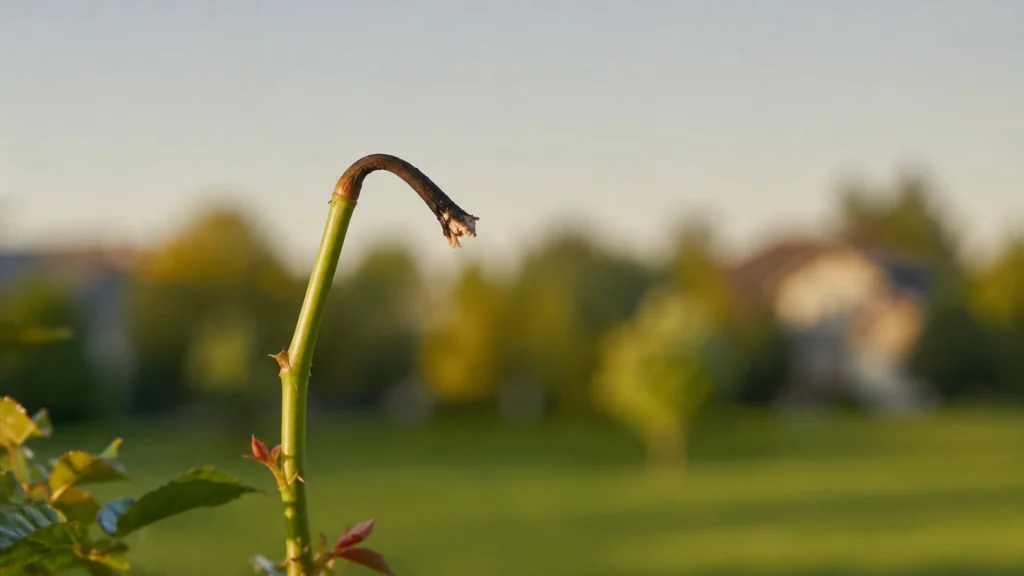
- Rose Midge: The stems right below the bud turn black, shrivel, and bend at a sharp 90-degree angle. The tiny maggots feed inside the bud tissue, weakening the structural integrity until it snaps off.
- Thrips: Buds feel crispy and look deformed, scratched, or scarred on the outer petals. If you peel an affected bud open, you will see microscopic, fast-moving yellow or brown insects scurrying away.
- Botrytis Blight: The bud turns brown and rots entirely before opening. In high humidity, you will notice a distinct grayish mold forming over the dead plant tissue.
- Water Stress: Buds simply turn yellow and drop without any blackening or fuzz. This points directly to inconsistent watering or extreme drought in your yard.
Pro-Tips Box: Most homeowners apply a heavy dose of nitrogen fertilizer when they see buds dropping, assuming the plant is starved. I’ve seen this backfire constantly. Pushing excessive vegetative growth actually provides more tender tissue for midges and thrips to attack. Instead, focus on a potassium-heavy amendment to strengthen cell walls, and check the base of the pedicel—if you see a burnt-looking tip where the bud fell off, you are guaranteed dealing with rose midge, not a nutrient deficiency.
Root Causes & Attractants
Several underlying conditions in your yard invite these bud-destroying pests and diseases, compounding the stress on the plant.
- Over-mulching: Piling mulch more than 3 inches deep against the cane base creates a high-moisture breeding ground for overwintering rose midge pupae.
- Poor Airflow: Planting rose bushes too close to fences or foundation walls traps humidity. This stagnant air is the exact catalyst Botrytis blight needs to colonize.
- Inconsistent Irrigation: Letting the top 4 inches of soil dry out completely, then flooding the root zone, shocks the plant. The shrub immediately drops its highest-energy components—the buds—to survive the perceived drought.
Eradication Plan (Step-by-Step)
Prune and Destroy Affected Tissue
Clip off all damaged, bent, or molding stems at least two inches below the aborted bud. Bag the debris immediately and throw it in the trash. Never compost midge or blight-infected plant material, as the pathogens will survive and re-infest your yard.
Apply a Systemic Insecticide
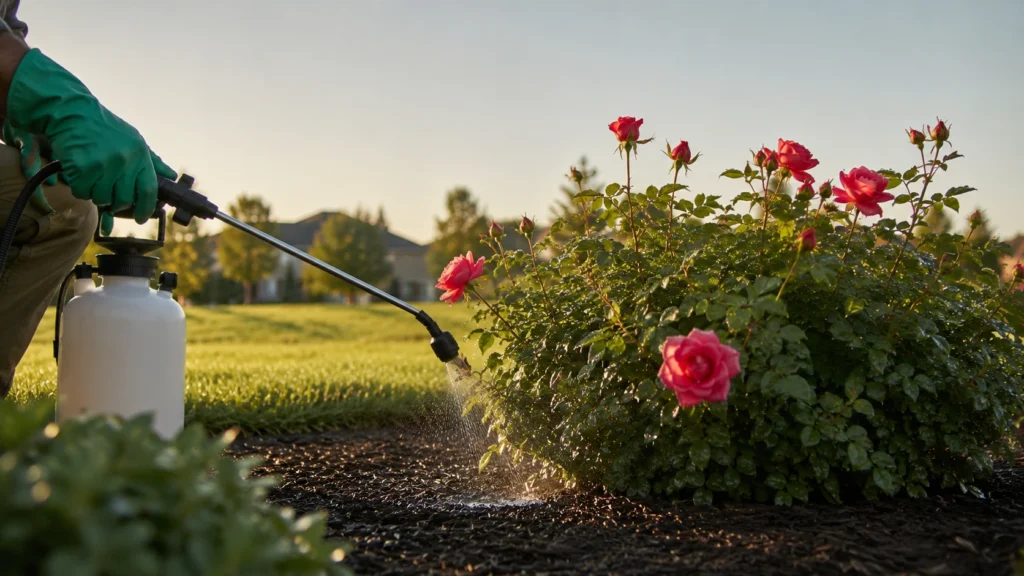
For midges and thrips, contact sprays rarely work because the pests hide deep inside the tight bud layers. You need a systemic product that the plant absorbs directly into its vascular system.
- Product: BioAdvanced All-In-One Rose & Plant Care (Imidacloprid).
- Dosage: Mix 2 oz of concentrate per gallon of water in a watering can.
- Application: Pour the solution as a soil drench evenly around the base of the shrub, covering a 2 sq ft area.
- Timeline: Expect a 10 to 14-day delay before the roots absorb the active ingredient and move it into the new bud tissue. It costs around $25 per bottle.
Treat Fungal Pathogens
If Botrytis blight is the primary culprit, you must arrest the spore spread immediately to save the remaining buds.
- Product: Ortho Rose & Flower Disease Control (Triticonazole).
- Dosage: Mix 1.5 oz per gallon of water in a pump sprayer.
- Application: Coat the entire plant, focusing heavily on the undersides of the leaves and the remaining buds. Apply early in the morning before temperatures exceed 85°F to avoid burning the sensitive foliage.
Pet & Child Safety Warnings
Systemic soil drenches containing Imidacloprid are absorbed quickly by the dirt, but you must keep pets and children away from the treated area until the liquid has completely soaked in and the topsoil is dry to the touch (usually 2–4 hours). For foliar fungicide sprays, enforce a strict re-entry interval of at least 12 hours. Never spray these chemicals on windy days to prevent chemical drift onto play areas or pet bowls.
Professional vs. DIY
| Feature | DIY Treatment | Professional Pest Control |
| Cost | $30 – $50 (Chemicals) | $80 – $150 per application |
| Speed | Immediate application | Requires scheduling |
| Effectiveness | High (if diagnosed correctly) | Very High (commercial grade) |
| Risk | Misapplication burns plants | Low risk to yard |
DIY treatments are highly effective for minor midge or thrip outbreaks if you catch them early. If your entire row of roses is dropping buds and the foliage is severely skeletonized, DIY methods often fall short because you lack access to commercial-grade restricted-use pesticides like Fipronil. A licensed technician can map out a targeted systemic injection plan that stops the reproductive cycle of the pests without risking chemical burn to your stressed shrubs.
Prevention Tips
- Install a soaker hose system to water the root zone deeply once a week, providing 1 to 2 inches of water, rather than relying on overhead sprinklers that wet the foliage.
- Prune the interior canes of your rose bushes every late winter to open up the center, ensuring aggressive airflow that prevents fungal colonization.
- Apply a fresh 2-inch layer of cedar mulch in early spring to suppress pupating midges, keeping it pulled a few inches away from the crown.
People Also Ask
Can overwatering cause rose buds to fall off?
Yes, excessive moisture suffocates the root system, preventing the uptake of essential nutrients. This stress forces the shrub to drop buds prematurely to conserve its remaining energy.
Do aphids cause rose buds to drop?
While aphids drain sap and cause leaf distortion, they rarely cause unopened buds to drop completely. Sudden bud drop is almost always tied to rose midges, thrips, or extreme environmental shock.
Will the rose bush bloom again after bud drop?
If you eradicate the underlying pest or correct the watering issue, most repeat-blooming varieties will push new growth and produce a fresh flush of buds within 4 to 6 weeks.
What to Read Next
Fungal pathogens and pest pressures don’t just attack ornamental shrubs; they easily spread across your yard if conditions are right. This is why knowing how to visually differentiate Brown Patch vs Dollar Spot on your turf helps you maintain total yard health and prevent cross-contamination.