
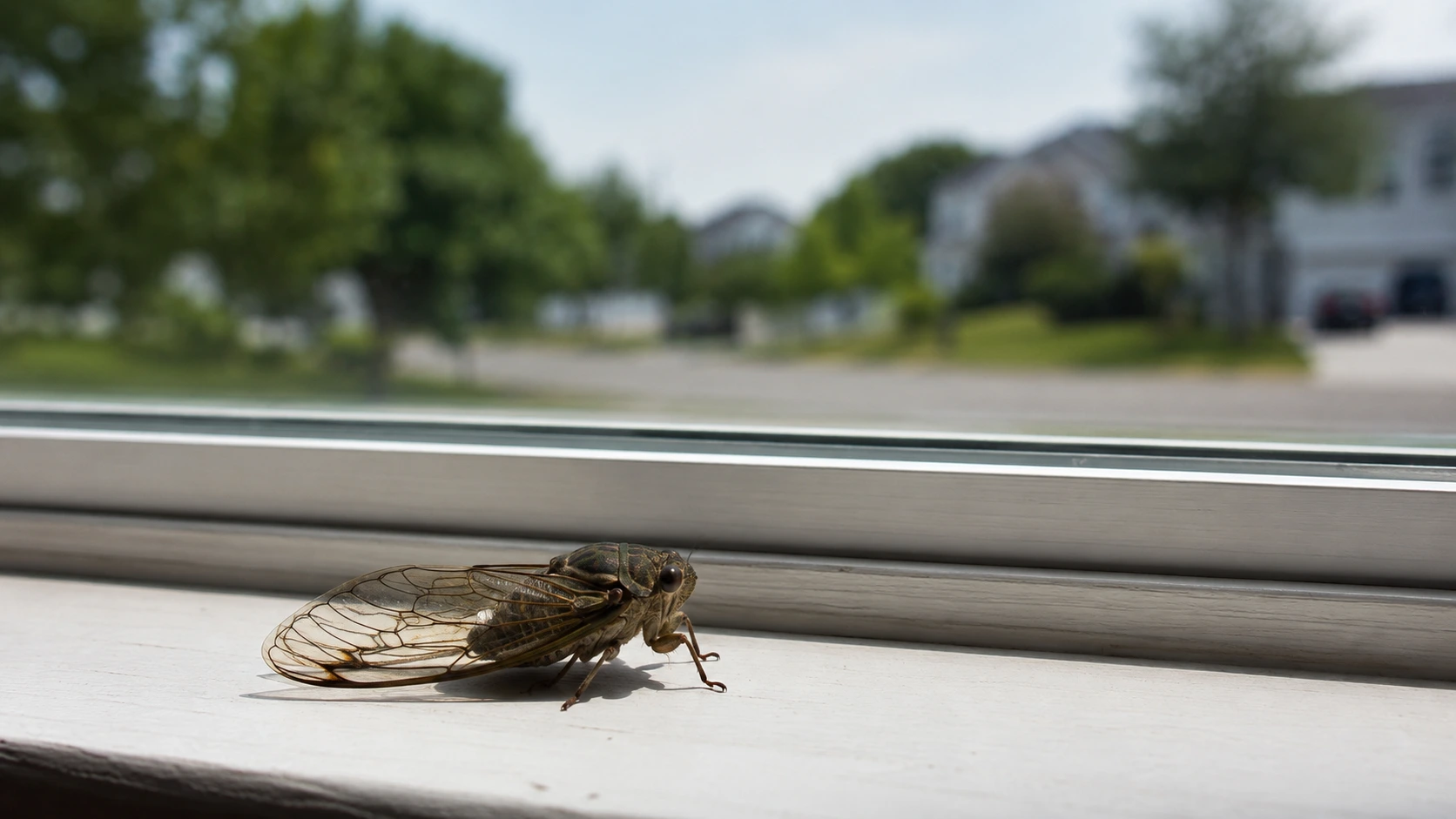
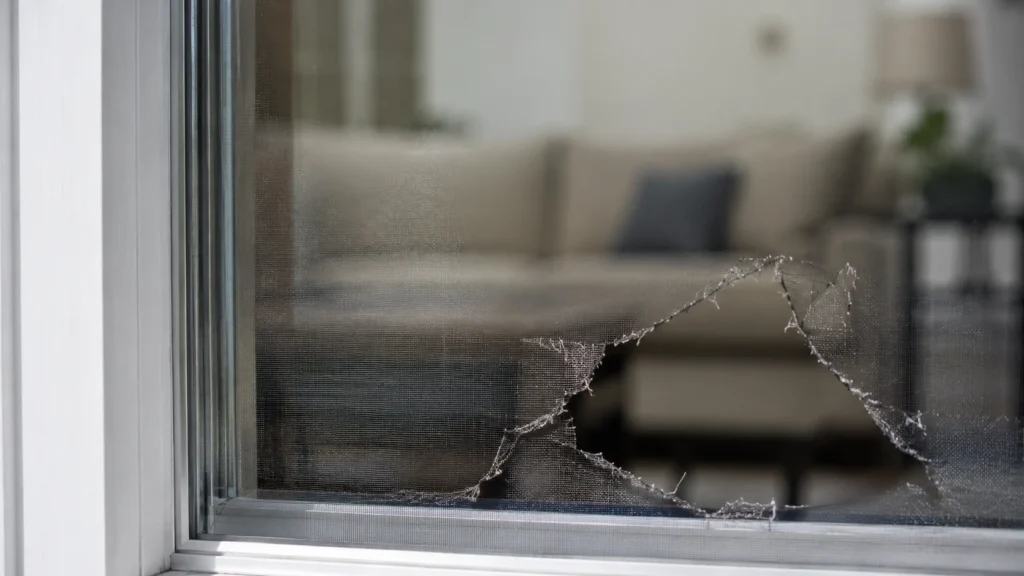
Cicadas do not infest houses, breed in your walls, or eat your structural wood. If you have cicadas inside your home, they flew in by accident through an open door, a torn screen, or a gap around a window AC unit. To get rid of them immediately, do not use chemical insect sprays; simply use a shop vacuum to suck them up or sweep them into a dustpan and toss them back into your yard.
Eradication Plan (Step-by-Step)
When a two-inch, buzzing insect is bouncing off your ceiling fans, your first instinct is usually to grab a can of Raid. I see this mistake constantly during Brood X years. Homeowners panic, spray heavy indoor aerosols, and end up contaminating their kitchen counters while the cicada just keeps flying. Chemical sprays take too long to knock down an insect of this mass. You need mechanical removal.
1. The Shop-Vac Method
Grab your heavy-duty shop vacuum. A standard household stick vacuum often lacks the hose diameter to cleanly suck up a large dog cicada or periodical cicada without jamming. Remove the attachment head, use the open hose, and suck the insect right off the wall or window. Leave the vacuum running for 10 seconds to ensure the bug reaches the canister, then take the vacuum outside to empty it.
2. The Cup and Cardboard Trap
If the cicada is resting on a low window sill or the floor, trap it physically. Place a large, clear plastic cup over the insect. Slide a stiff piece of cardboard underneath the rim, flush against the surface. Keep the cardboard pressed tight, walk to your front porch, and release it into the yard.
3. Immediate Exclusion (The 24-Hour Fix)
Once you clear the visible bugs, you must close the breach. If you leave the house as-is, more will follow the light back inside tonight. Check the weatherstripping under your front door and inspect every window screen in the room where you found the bug. If you find a tear, patch it temporarily with heavy clear tape until you can replace the fiberglass mesh.
Identification & Misdiagnosis
You need to know exactly what is flying around your living room. Cicadas are large (1 to 2 inches long), have prominent, wide-set eyes, and clear wings with heavy veins. They make a deafening, mechanical buzzing sound when distressed.
During the late summer, homeowners frequently mistake the Cicada Killer Wasp for an actual cicada. Cicada Killers are massive wasps with yellow and black banding. They hunt cicadas. If you have a Cicada Killer indoors, it likely chased its prey straight through your open garage door.
Another common misdiagnosis is the American Cockroach (often called a palmetto bug). If the insect scampers quickly under your baseboards and avoids the light, it is a roach. Cicadas are clumsy walkers, terrible flyers, and will instinctively fly toward your lamps or windows.
Root Causes & Attractants
Cicadas do not want to be in your house. They require sap from living tree branches to feed and soil to lay eggs. Your dry drywall offers them nothing.
They end up inside because they are drawn to light. If you leave your porch light on at night and open the front door to grab a package, they will dive-bomb the entryway. Window air conditioning units are another massive vulnerability. I pull dead cicadas out of the accordion side-panels of window AC units all summer long. If those panels aren’t sealed with foam weatherstripping, the bugs just squeeze right through the plastic gaps.
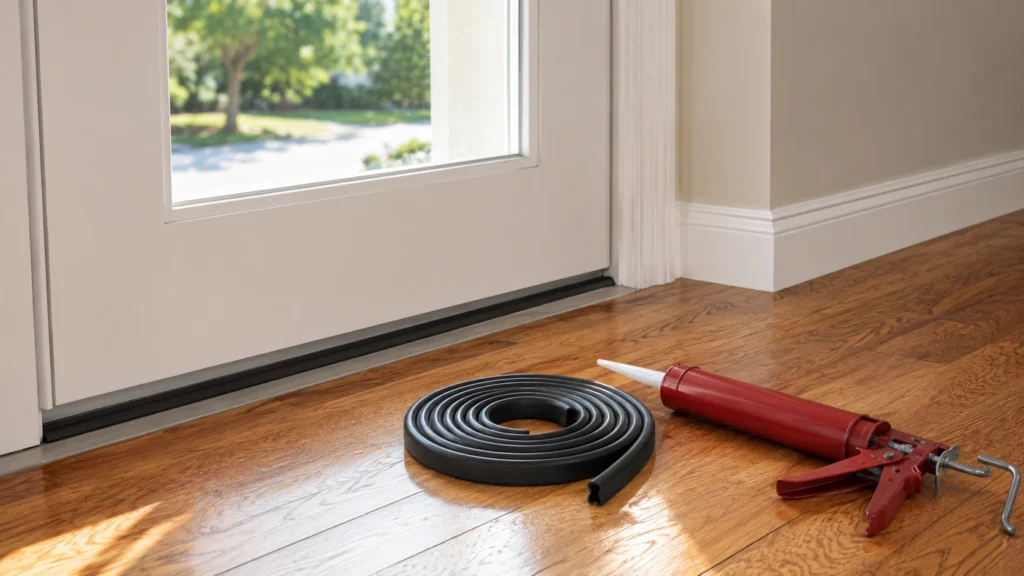
Pro-Tips Box: Swap your standard white exterior porch bulbs for yellow LED bug lights during peak emergence weeks. Cicadas, like most nocturnal flying insects, are far less attracted to warmer color temperatures on the spectrum. If you have a window AC unit, stuff the gaps around the accordion panels with backer rod or seal it entirely with a temporary, peelable caulk like DAP Seal ‘N Peel.
Pet & Child Safety Warnings
Do not let your dogs eat cicadas. While the insects are completely non-toxic and do not sting or bite, their hard exoskeletons are extremely difficult to digest. I have seen dogs gorge on dozens of cicadas in the yard and end up vomiting all over the living room rug. A single cicada won’t kill a Golden Retriever, but it poses a mild choking hazard for smaller breeds.
Furthermore, never apply indoor perimeter pesticides like Ortho Home Defense or products containing Bifenthrin to solve a cicada problem. These chemicals have specific drying times and re-entry intervals that keep your pets and kids safe. Spraying them haphazardly to kill a single flying insect creates unnecessary chemical exposure for zero benefit.
Professional vs. DIY
| Feature | DIY Removal | Professional Pest Control |
| Cost | $0 | $150 – $250+ |
| Speed | Immediate (5 minutes) | 24 – 48 hours |
| Effectiveness | 100% | Ineffective (Chemicals don’t repel them) |
| Risk | Low | Low to Moderate (Unnecessary chemical use) |
You do not need a pest control operator for cicadas in your house. Any honest technician will tell you over the phone that treating the interior of a home for cicadas is a waste of your money. We cannot spray your trees to stop an emergence, and we cannot spray your baseboards to keep them out.
If a company offers to fog your house for cicadas, hang up the phone. The only time you need a professional is if you have a massive structural gap allowing thousands of bugs inside, in which case you need a contractor, not an exterminator.
Prevention Tips
To stop the next wave of clumsy fliers from entering your home, you have to harden your perimeter.
- Check the sweeps: Inspect the door sweep at the bottom of your front and back doors. If you can see daylight coming through the bottom corner, a cicada can squeeze through. Install a heavy-duty rubber sweep.
- Fix the screens: Keep a roll of fiberglass screen patch tape in the garage. A 2-inch tear is an open invitation for cicadas and mosquitoes.
- Manage nighttime access: Keep your doors shut tightly during the evening hours when cicadas are most active around exterior lights.
People Also Ask
Do cicadas cause damage to houses?
No, cicadas do not cause structural damage to homes. They do not eat wood, drywall, or insulation. Their only structural impact is occasionally clogging gutters if a massive amount of dead cicadas accumulate on your roof.
How long will a cicada live indoors?
A cicada trapped inside a home will typically die within 24 to 48 hours. They require moisture and sap from living trees to survive, and the climate-controlled, dry air inside your house dehydrates them rapidly.
Can a cicada bite or sting me?
Cicadas do not have stingers, and they lack chewing mouthparts, so they cannot bite you. They have a piercing mouthpiece meant for tree sap, but they will not use it defensively on humans or pets.
What to Read Next
Finding large, winged insects in your house can make anyone paranoid about a larger infestation. While cicadas are harmless accidental invaders, other flying insects indicate severe structural problems. If you’re noticing discarded wings near your baseboards or window sills, you need to know how to identify signs of termites in drywall before they compromise your framing.