
A “palmetto bug” is simply a regional nickname used in the Southeastern United States for the American cockroach (Periplaneta americana), though it is also occasionally applied to the Smokybrown cockroach. They are exactly the same pest. The distinction matters primarily for treatment: these are large, flying, moisture-loving outdoor roaches that require aggressive exterior perimeter defenses, unlike the smaller German cockroaches that infest indoor kitchen cabinets.
Identification & Misdiagnosis
The American cockroach (your typical “palmetto bug”) is massive, often reaching 1.5 to 2 inches in length. They are reddish-brown and feature a distinct pale yellow figure-eight pattern on the back of their head (the pronotum). They possess fully developed wings and will glide or fly toward light sources when disturbed. Smokybrown cockroaches look similar but are a uniform, dark mahogany color without the yellow band.
In humid climates like Florida, Georgia, and South Carolina, homeowners frequently panic upon seeing these giants indoors and rush to buy expensive, syringe-style gel baits designed for German roaches. This is a massive waste of money. German roaches are small (half an inch), light brown with two dark stripes on their head, and breed exclusively indoors. Applying German roach bait for an American cockroach invasion will yield zero results because their foraging habits and protein preferences are entirely different.
Root Causes & Attractants
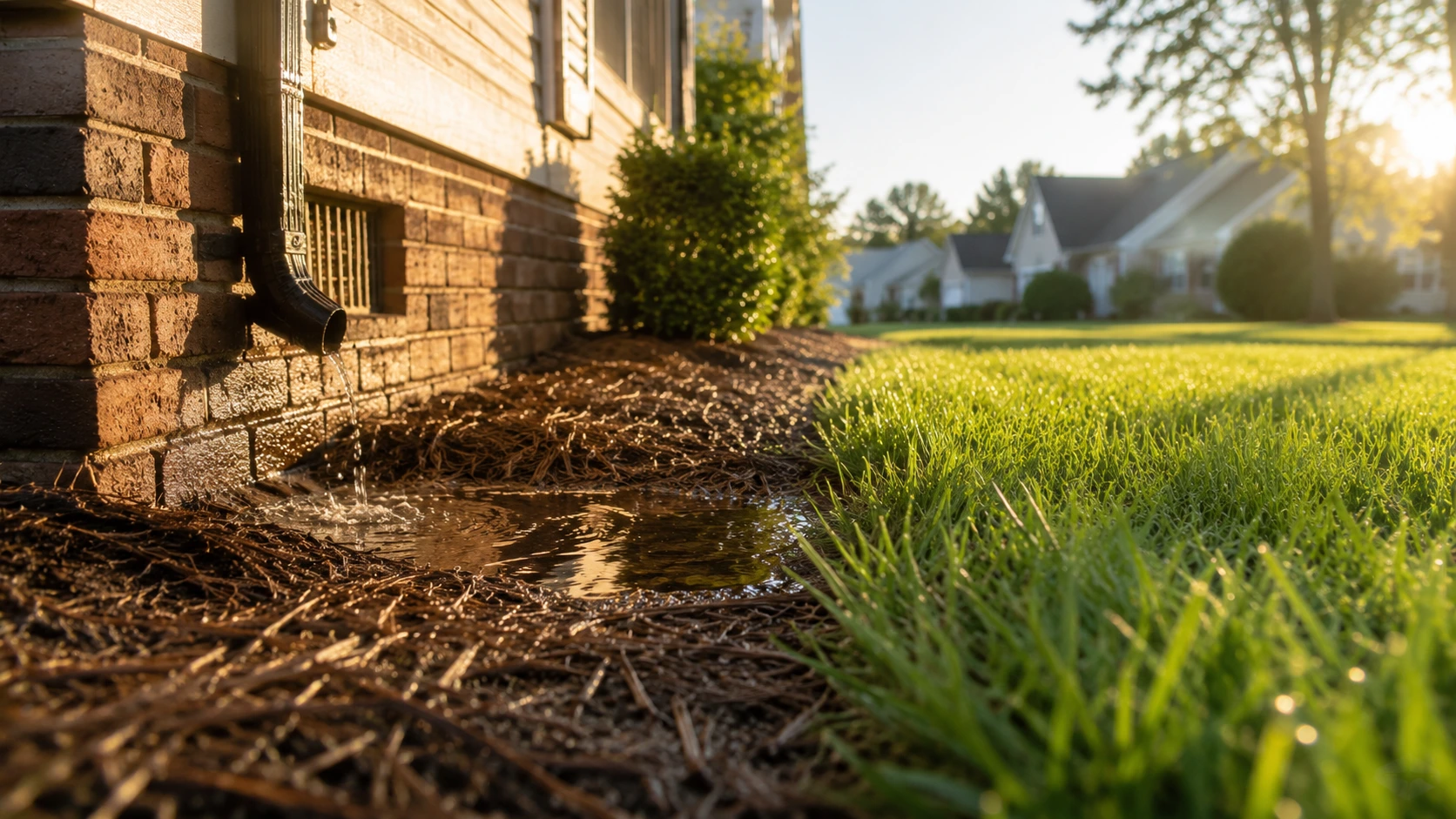
Palmetto bugs are peridomestic, meaning they live outdoors but wander inside looking for water or extreme temperature relief. Moisture is their primary driver. If you have an AC condensation line constantly dripping into the soil right next to your foundation, you are building a cockroach resort. They thrive in decaying organic matter, making thick layers of pine straw, deep hardwood mulch, and neglected leaf piles their ideal breeding grounds.
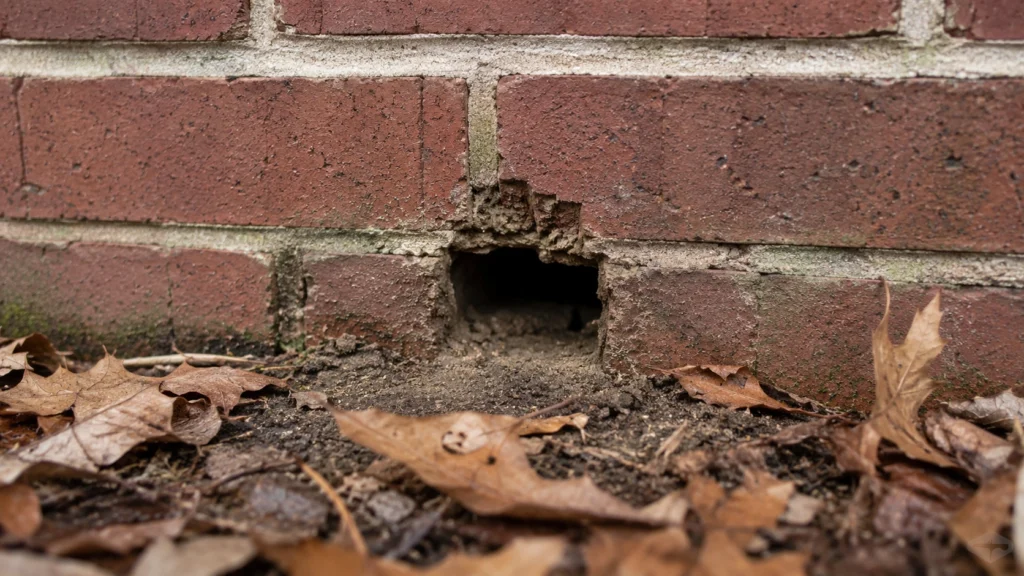
Most homeowners unknowingly invite these pests indoors by stacking wet firewood or leaving broken-down cardboard boxes against the exterior siding. Termites aren’t the only bugs that love damp cardboard; American cockroaches lay their egg cases (oothecae) in the corrugated folds of wet boxes. Once the temperatures drop in late fall, or during heavy summer torrential downpours, those exterior populations will squeeze through unsealed pipe penetrations to get inside your walls.
Pro-Tips Box: Don’t waste time spraying contact killers directly on a single palmetto bug you find in the bathroom. If you see one inside, there is a breach in your exterior perimeter. Go outside and inspect the exact opposite side of that exterior wall. Look for unsealed plumbing penetrations, damaged dryer vents, or overgrown shrubs touching the siding. Seal the gap with silicone caulk and apply a granular insect bait like Niban (Orthoboric Acid 5%) in a 2-foot band around the exterior foundation. The roaches will eat the bait outside before they ever breach the wall.
Eradication Plan (Step-by-Step)
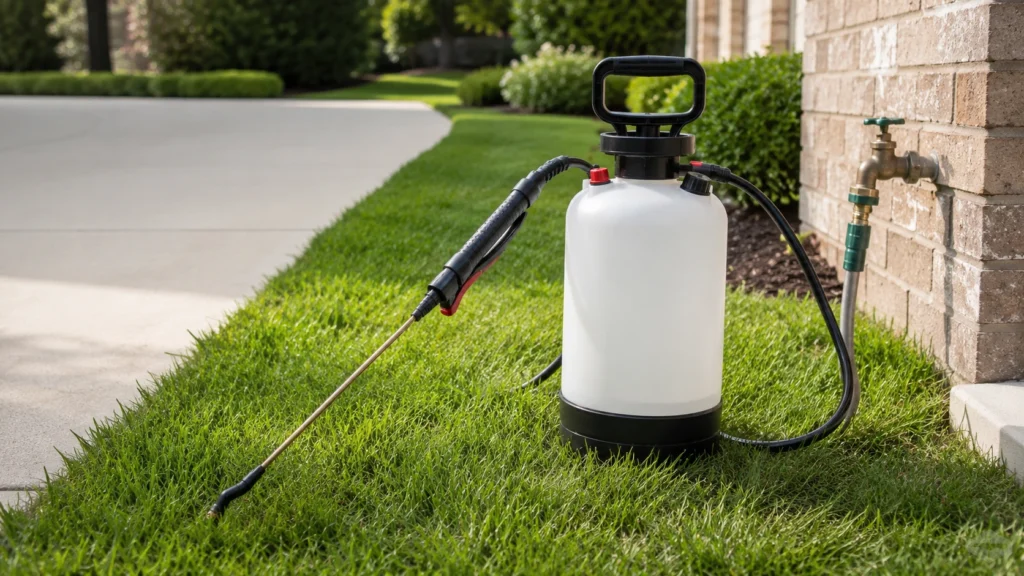
Tackling a palmetto bug problem requires creating an exterior barrier that kills them before they cross your threshold. Throw away the aerosol cans of indoor bug spray; you need a residual liquid insecticide and an outdoor granular bait.
Step 1: The Liquid Perimeter Barrier
Mix a professional-grade insecticide concentrate like Talstar P (active ingredient: Bifenthrin 7.9%) at a rate of 1 fluid ounce per gallon of water in a pump sprayer. Apply this solution along the foundation of your home. Spray 3 feet up the exterior wall and 3 feet out onto the adjacent ground, soil, or lawn. Focus heavily on window frames, door thresholds, and areas where plumbing pipes enter the brick or siding. One gallon covers about 1,000 sq ft and costs roughly $1.50 per application.
Step 2: Granular Baiting in Problem Zones
Liquid sprays act as a barrier, but baits actively reduce the population in the yard. Broadcast a weather-resistant granular bait like Maxforce Complete (active ingredient: Hydramethylnon 1%) into your flower beds, mulch rings, and under low-hanging shrubs at a rate of 4 to 8 ounces per 1,000 sq ft. The roaches will forage for this high-protein bait, carry it back to their harborage areas, and die.
Step 3: Void Dusting
For roaches that have already made it inside, treat the wall voids. Remove the covers from plumbing pipes under your kitchen and bathroom sinks. Using a handheld bulb duster, puff a light coating of Boric Acid dust into the void between the drywall and the pipe. Roaches walking through the dust will ingest it while grooming, leading to desiccation and death within 3 to 5 days.
Pet & Child Safety Warnings
When using professional concentrates like Bifenthrin, strict adherence to the label is non-negotiable. The most critical rule is the re-entry interval. Keep all dogs, cats, and children completely off the treated lawn and away from the foundation until the liquid spray has 100% dried. Depending on humidity and sunlight, this usually takes 1 to 2 hours. Once dry, the chemical binds tightly to surfaces and soil, posing negligible risk to mammals walking over it. Always store granular baits in their original containers on a high shelf in a locked garage cabinet, completely out of reach.
Professional vs. DIY
| Feature | Professional Exterminator | DIY Eradication |
| Cost | $150 – $300 per quarterly visit | $50 – $80 for a year’s supply of chemicals |
| Speed | Same-day or next-day service | Immediate application, 5-7 days for full kill |
| Effectiveness | High (Access to restricted IGRs) | High (If commercial-grade products are used) |
| Risk | Low (Tech handles the mixing) | Moderate (Requires safe mixing and PPE) |
Taking the DIY route for palmetto bugs is highly effective if you upgrade from hardware store sprays to professional-grade concentrates. Anyone can mix one ounce of Bifenthrin into a gallon of water and spray a foundation.
You need to call a professional pest control service if you have a massive infestation originating in an inaccessible crawlspace or a highly cluttered attic. Professionals have specialized power-dusting equipment that can coat an entire 2,000 sq ft crawlspace with insecticide dust in minutes, a task that is nearly impossible and highly dangerous for a homeowner with a hand duster.
Prevention Tips
- Rethink Your Mulch: Pull all organic mulch, especially pine straw, at least 12 inches away from your foundation wall. Fill that gap with crushed stone or decorative rock to create a dry, heat-absorbing barrier that roaches hate crossing.
- Fix Yard Drainage: Ensure your gutters are clean and attach downspout extensions that push rainwater at least 5 feet away from the foundation.
- Trim Tree Canopies: Cut back overhanging tree branches so they are at least 6 feet away from your roofline. Palmetto bugs are excellent flyers and will use oak and palmetto branches as bridges right into your gutters and attic vents.
- Seal the Envelope: Go around the exterior of your house with a caulking gun loaded with exterior-grade silicone. Seal every tiny gap around AC lines, gas pipes, and cable wires. Avoid expandable spray foam, as large roaches can easily chew through it over time.
People Also Ask
Do palmetto bugs carry diseases?
Yes. While they don’t bite or carry diseases in their saliva like mosquitoes, palmetto bugs crawl through sewage, animal feces, and trash. They track harmful bacteria like Salmonella and E. coli onto your kitchen counters and food preparation surfaces.
Why do I only see palmetto bugs at night?
American cockroaches are strictly nocturnal. They hide in dark, damp harborages during the day to avoid predators and heat. If you see them crawling around your yard or home during broad daylight, it indicates a severe infestation where hiding spots are overcrowded.
Will bleach kill palmetto bugs?
Pouring bleach directly on a roach will eventually drown or suffocate it, but it is not an effective pest control method. Bleach has no residual killing power, damages surfaces, and pouring it down drains will not destroy the protective casings of roach eggs.
What to Read Next
Dealing with bugs inside your home often means inspecting hidden areas for signs of damage or droppings. If you find strange debris near your baseboards while hunting for roaches, it’s critical to know exactly what you are looking at, which is why understanding the visual differences between termite frass vs carpenter ant frass will help you avoid misdiagnosing a major structural threat.