
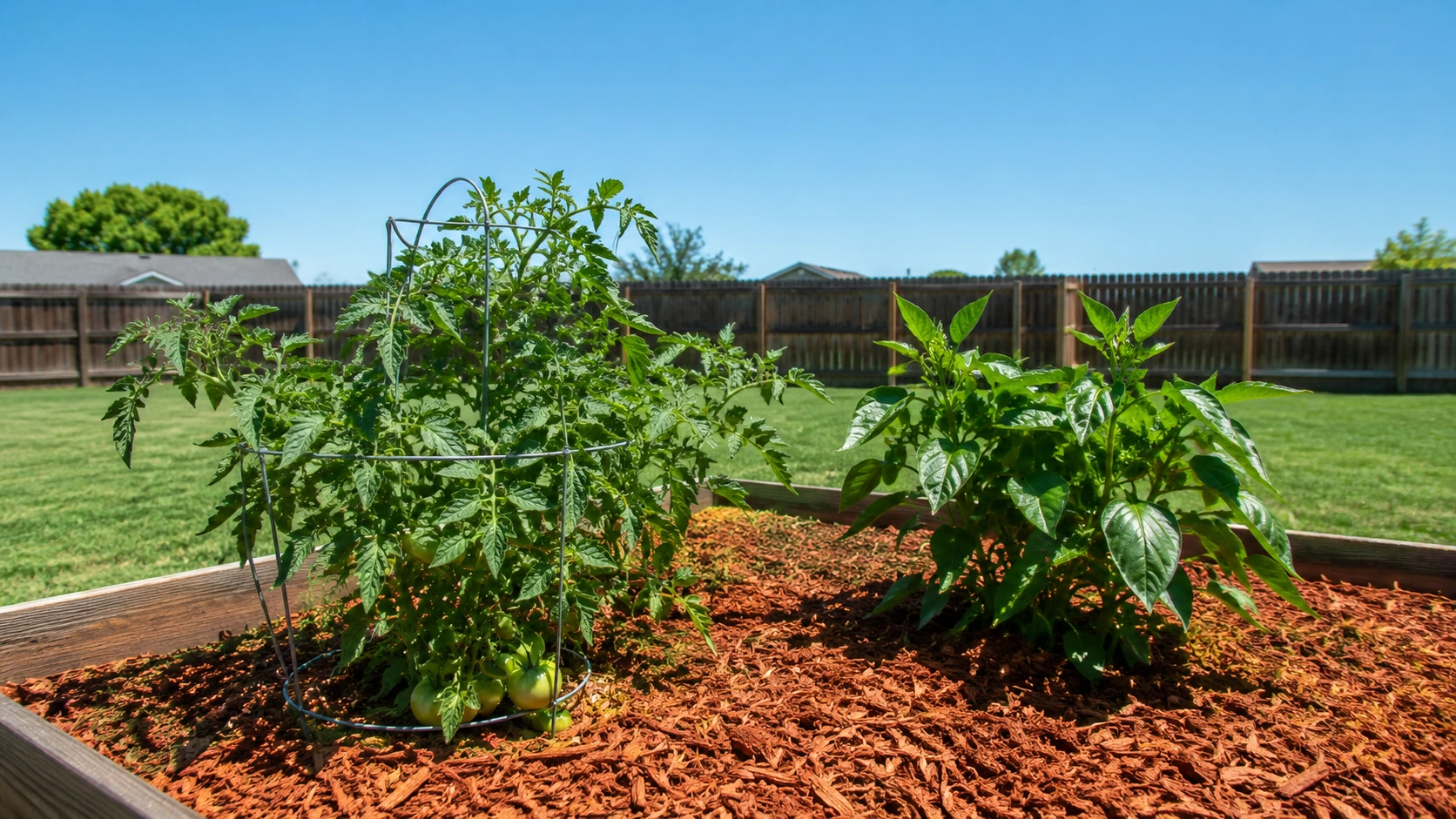
Yes, cedar mulch is highly beneficial for vegetable gardens when applied correctly. It retains soil moisture, regulates temperature, and suppresses aggressive weeds. The natural oils in cedar also help repel certain nuisance insects. You must apply it exclusively to the soil surface. Mixing raw cedar chips directly into the soil will steal essential nitrogen from your vegetable roots.
Identification Guide: Signs Your Mulch Strategy is Failing
Even good cedar mulch causes severe damage if applied poorly. You need to spot these visual indicators before your vegetable harvest suffers.
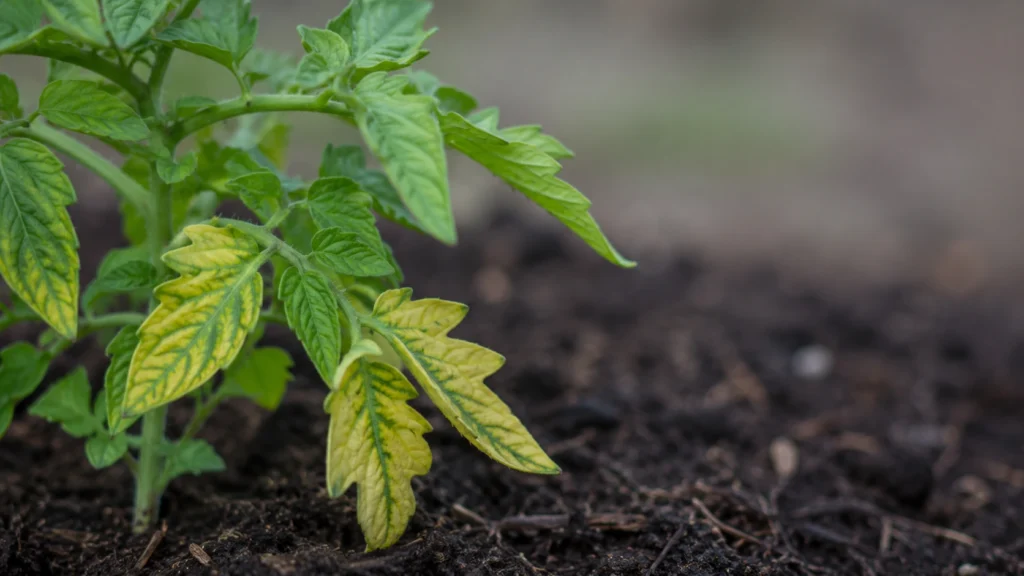
- Yellowing Lower Leaves: The bottom leaves on your tomatoes or peppers turn a pale, sickly yellow while the upper leaves stay green. This points to a severe nitrogen deficiency caused by uncomposted wood chips pulling nutrients from the soil surface.
- Dark, Mushy Stems: Check the base of your plants. If the stem looks brown, wet, or indented right where it meets the soil line, you are dealing with crown rot.
- White Fungal Mats: Dig an inch into the mulch layer. If you see thick, hydrophobic white webbing (mycelium) binding the chips together, the mulch is too thick and preventing water from reaching the soil.
- Stunted Seedlings: Tiny vegetable sprouts stop growing and look burned. Cedar extracts contain natural compounds that inhibit seed germination.
I frequently see homeowners dump bags of raw, dyed wood chips directly over delicate seedlings in early spring. The resulting nutrient crash takes weeks to reverse.
Root Causes
The controversy around cedar mulch stems from a misunderstanding of how wood decomposes. Cedar is incredibly rich in carbon. When soil microbes begin breaking down this carbon, they require massive amounts of nitrogen to fuel the process. If you mix the chips into the soil, those microbes steal nitrogen directly from the root zone of your vegetables.
There is also a persistent myth regarding allelopathy. Black walnut trees produce juglone, a chemical that actively kills neighboring plants. Cedar produces thujaplicin. This chemical resists rot and repels certain insects, but it does not kill mature vegetable plants. It does, however, suppress new seeds.
Your garden climate also plays a role. In high-rainfall areas like the Pacific Northwest, a thick layer of cedar traps too much moisture against the topsoil. This creates an anaerobic environment where oxygen cannot reach the vegetable roots. The plant essentially drowns under its own protective blanket.
Step-by-Step Solution
Proper application separates a thriving harvest from a stunted, yellowing mess. You need to establish a distinct barrier between your soil biology and the decaying wood.
- Prepare and Fertilize the Bed: Clear the area of all existing weeds, pulling them by the roots. Before adding any wood, broadcast a granular vegetable fertilizer across the soil surface. A standard 10-10-10 or an organic mix like Miracle-Gro Shake ‘n Feed Tomato, Fruit & Vegetable works perfectly. This base layer of nitrogen feeds the soil microbes so they do not steal nutrients from your plants later.
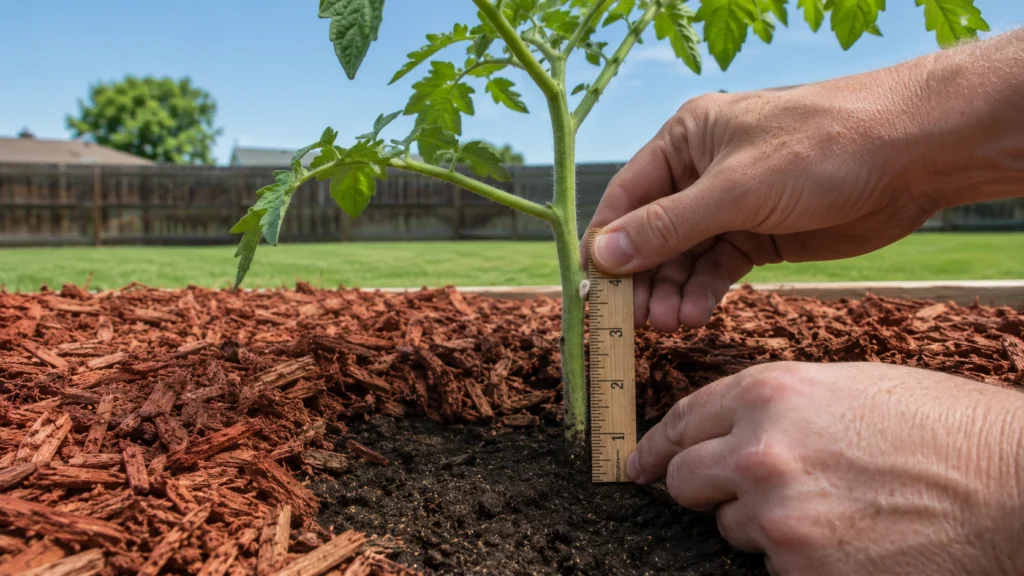
- Wait for Proper Plant Size: Never apply cedar over freshly sown seeds. Wait until your vegetable transplants (like peppers, eggplants, or tomatoes) are at least 6 to 8 inches tall. The plants need an established root system before you introduce a heavy topcover.
- Calculate Your Volume: Measure your garden bed. You need enough mulch to create a consistent 2-inch layer. Applying 3 inches or more in a vegetable bed blocks vital oxygen.
- Spread the Cedar: Dump the mulch in small piles and use a hard rake to level it out. Bagged natural cedar from brands like Scotts Nature Scapes or local un-dyed shredded cedar are the safest bets for edible crops. Avoid anything labeled “dyed black” or “dyed red” for food-producing beds.
- Create the Protection Zone: Pull the mulch away from the base of every single plant. You must leave a 2-inch to 3-inch gap of bare dirt around the main stalk. Piling mulch against the stem traps moisture and guarantees collar rot.
- Water Deeply: Soak the entire bed immediately after application. You need to apply at least 1 gallon of water per square foot. Dry wood chips initially repel water. Soaking them forces them to settle, locks them in place against the wind, and prevents them from wicking moisture away from your topsoil.
Professional vs. DIY
Mulching a vegetable bed is fundamentally a DIY task, but sourcing the material changes the equation based on the size of your yard.
| Factor | Bagged (DIY) | Bulk Delivery (Pro Sourcing) |
| Cost | $$$ | $ |
| Convenience | High | Low |
| Volume limit | Under 1 cubic yard | Up to 15 cubic yards |
| Material purity | High (consistent) | Moderate (varies by local yard) |
Grabbing ten bags of cedar from Home Depot makes sense for a single 4×8 raised bed. If you manage half an acre of tilled vegetable rows, buying bags will bankrupt you. Contact a local landscape supply yard for bulk delivery. Specify that you need raw, untreated cedar. Ensure they do not mix it with ground-up pallets or treated construction lumber.
Common Misdiagnosis
A common misdiagnosis happens mid-summer when vegetable leaves wilt and turn pale. Homeowners immediately blame the cedar mulch for leaching “toxins” into the soil. They rake the mulch away, exposing the soil to the blazing sun, which kills the plants even faster.
In reality, the problem is almost always underwatering masked by the mulch. Wood chips intercept light rain. A brief 15-minute summer shower will completely soak the top layer of the cedar, making it look dark and wet, but zero moisture reaches the actual dirt underneath. Stick your finger past the wood chips directly into the soil. If it is dry an inch down, you are simply underwatering. Do not blame the wood; adjust your drip irrigation or hose timing.
Prevention Tips
To keep your cedar mulch working with your garden instead of against it, you must monitor the decomposition rate. Cedar breaks down slowly, usually lasting two to three years.
At the end of the growing season, do not till the old cedar into your vegetable beds. Rake it to the side or scoop it out before turning your soil or adding compost. Mixing those half-rotted chips into your winter beds will destroy your nitrogen profile for the spring planting. Replace the mulch entirely every third year. If the chips start looking gray and brittle, they have lost their moisture-retaining capabilities. A fresh 1-inch top-dress in the spring revives the color and maintains the weed-blocking barrier.
Pro-Tips Box: Stop buying finely ground “mulch dust” for vegetable beds. I always tell my clients to look for double-shredded cedar. It mats together, creating a woven blanket that stops aggressive weeds like crabgrass from pushing through, but remains porous enough to let heavy rain infiltrate. If you notice fungus gnats swarming your beds after laying the cedar, lightly broadcast a granular insecticide containing Bifenthrin over the mulch surface and water it in, or let the top layer dry out completely for three days.
People Also Ask
Does cedar mulch attract termites to my vegetable garden?
No. Cedar contains natural oils and resins that actively repel many insects, including termites. While subterranean termites will eat almost any wood if desperate, cedar is highly undesirable to them. It will not draw a new termite colony to your property.
Can I put cedar mulch around my cucumber plants?
Yes, but wait until the cucumber vines are established. Cucumbers are susceptible to stem rot. Keep the cedar at least three inches away from the fragile main stem. The mulch will keep the growing fruit off the damp soil, reducing rot and pest damage.
Will cedar mulch change the pH of my soil?
Fresh cedar mulch is slightly acidic, but its impact on soil pH is minimal. Because it rests on the surface, any acid washes out very slowly. It will not drastically alter the pH of the root zone or harm your vegetables.
What to Read Next
Choosing the right ground cover impacts everything from soil temperature to pest activity. Understanding what materials work best for your property is vital, which is why reviewing the signs of termites in mulch helps you monitor your yard safely regardless of the wood type you select.