
About Us
Welcome to Yard Care Science. We bridge the gap between professional turf management and everyday DIY lawn care. Our mission is to provide homeowners with field-tested diagnostics, precise product recommendations, and science-backed solutions to eliminate pests, cure diseases, and build a resilient yard.
Lastest Posts
How to Get Rid of Slugs in the Lawn: Fast & Proven Methods
April 23, 2026
To get rid of slugs in the lawn effectively, you must eliminate their daytime hiding spots, reduce excess soil moisture, and apply granular baits containing iron phosphate or metaldehyde. These nocturnal mollusks thrive in damp thatch layers and can decimate your grass blades overnight if left unchecked. Identifying Slug Damage in Your Yard Before treating
How to Care for New Sod: 30-Day Watering & Mowing Guide
April 22, 2026
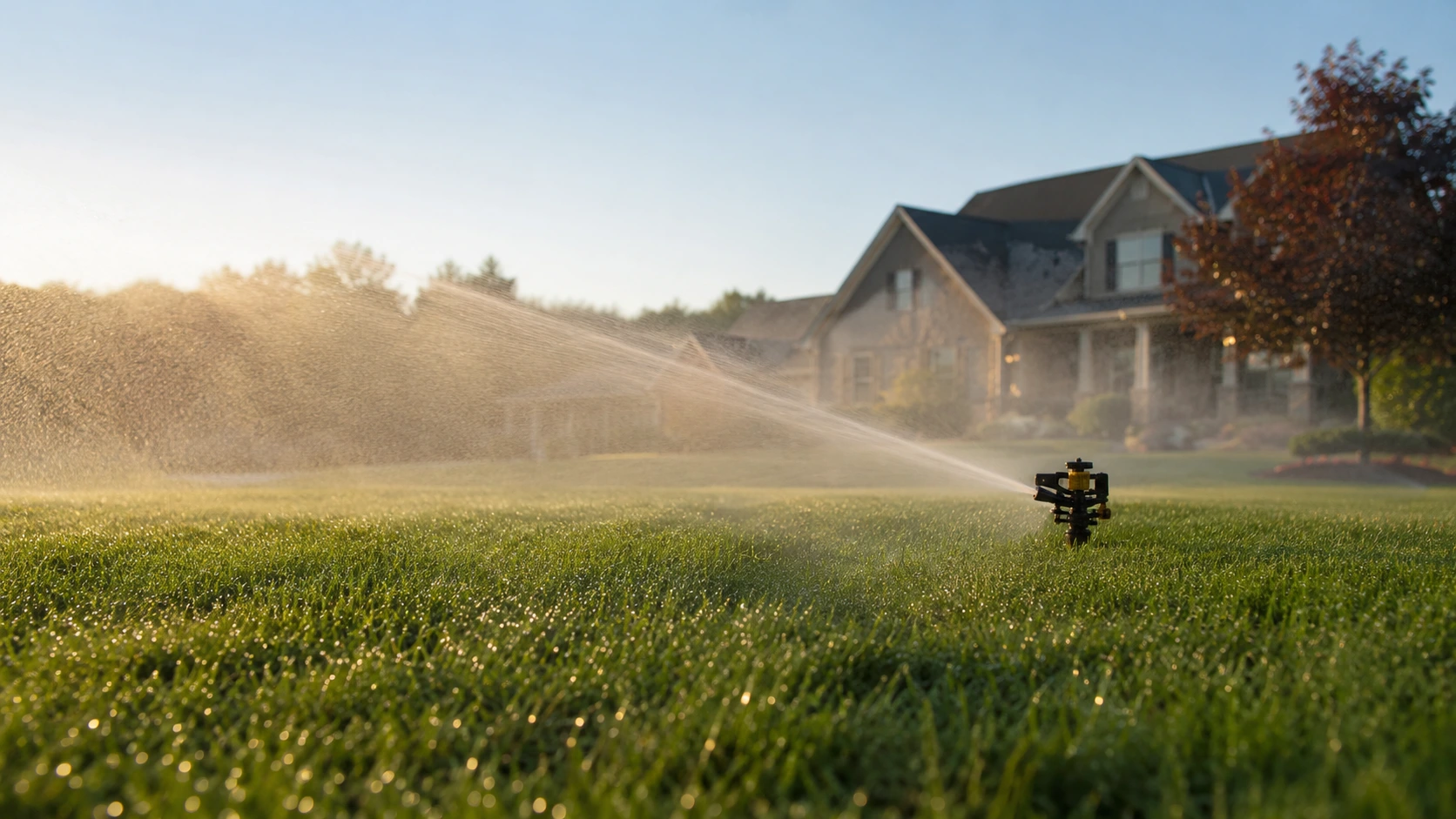
New sod needs to stay constantly moist, but not flooded, for the first 14 days. Water your yard 2 to 3 times a day for about 15 to 20 minutes per zone to prevent the sod slabs from shrinking. Once the roots grab the topsoil—usually by week three—you can reduce watering to once a day
When to Start Mowing Lawn: The Ultimate Spring Guide
April 21, 2026
You should start mowing your yard when the grass reaches 2 to 3 inches tall and the soil temperature consistently hits 50°F. Cutting too early damages fragile new roots, while waiting too long invites pests and disease. 3 Clear Signs It is Time for the First Cut Don’t rely on the calendar to schedule your
How to Get Rid of Ants in Mailbox: A Complete Guide
April 20, 2026
Finding a swarm of insects inside your mailbox is incredibly frustrating and can ruin important mail. If you want to know how to get rid of ants in your mailbox quickly, the immediate solution is placing enclosed bait stations inside and applying a residual insecticide around the base of the post. Do not spray liquid
How to Fix Yellow Spots on Grass: Expert Identification and Solutions
April 19, 2026
Yellow spots on your grass are a loud distress signal from your yard. These ugly patches usually mean your lawn is suffering from nitrogen burn, a fungal infection, pest damage, or severe drought stress. You cannot treat these spots blindly without risking further damage to your turf. To fix the discoloration, you must first accurately
How to Rescue a Burnt Lawn with Fertilizer: Expert Recovery Guide
April 18, 2026
A burnt lawn with fertilizer occurs because high concentrations of nitrogen salts draw essential moisture out of the grass roots. This chemical dehydration turns your yard crispy, yellow, or brown within 24 to 48 hours of application. To save the surviving grass, you must immediately flood the affected area with at least 1 inch of
Mow Before Weed and Feed? Avoid This Costly Lawn Mistake
April 17, 2026
You should mow before applying weed and feed, but you must wait at least two to four days between mowing and spreading the product. Mowing immediately before application removes the weed foliage necessary to absorb post-emergent herbicides. Products relying on chemicals like 2,4-D, Mecoprop, or Dicamba need surface area to stick and work effectively. If
Lawn Mower Leaves Uncut Grass? Fix The Mohawk Now
April 16, 2026
If your lawn mower leaves uncut grass behind, the problem usually stems from a dull blade, a clogged deck, or improper mowing technique. You don’t need a new mower; you just need a quick diagnostic check to restore your pristine yard. Leaving behind stragglers or a “mohawk” in the middle of your mowing path ruins
Grub Damage vs Fungus: How to Tell the Difference Fast
April 15, 2026
Is your yard turning brown, and you aren’t sure who the culprit is? Pull up a handful of the dead grass right now. If the turf easily peels back like a loose carpet with no roots attached, you have a grub infestation. If the grass stays firmly rooted but the blades are covered in spots,
Termite Damage vs Wood Rot: How to Tell the Difference and Stop It
April 15, 2026
The fastest way to tell termite damage vs wood rot is by inspecting the wood’s texture and structure. Termites eat the soft wood along the grain, leaving behind hollow, layered galleries filled with soil or mud. Wood rot breaks down the wood entirely, causing it to crack in a blocky, cuboidal pattern or turn into