

A pre-emergence herbicide is a chemical barrier applied to your lawn’s soil that stops weed seeds from successfully sprouting. It does not kill existing, visible weeds. Instead, active ingredients like Prodiamine or Dithiopyr halt cell division in the taproot as the seed germinates below ground. You must water the product in to activate this protective layer before soil temperatures trigger weed growth.
Identification Guide
You cannot visually identify the need for a pre-emergent by looking for active weeds in the spring. If you see green crabgrass leaves, you missed the window. You diagnose the need for this chemical barrier by looking at your yard’s history and current soil conditions.
Watch for these indicators:
- Historical weed pressure: If your yard was overrun with crabgrass, goosegrass, or spurge late last summer, those plants dropped thousands of seeds into your soil before winter. You need a barrier now.
- Thin turf and bare soil: Sunlight directly hitting bare dirt heats the ground faster. This rapid temperature spike triggers dormant seeds to wake up weeks before the rest of the lawn.
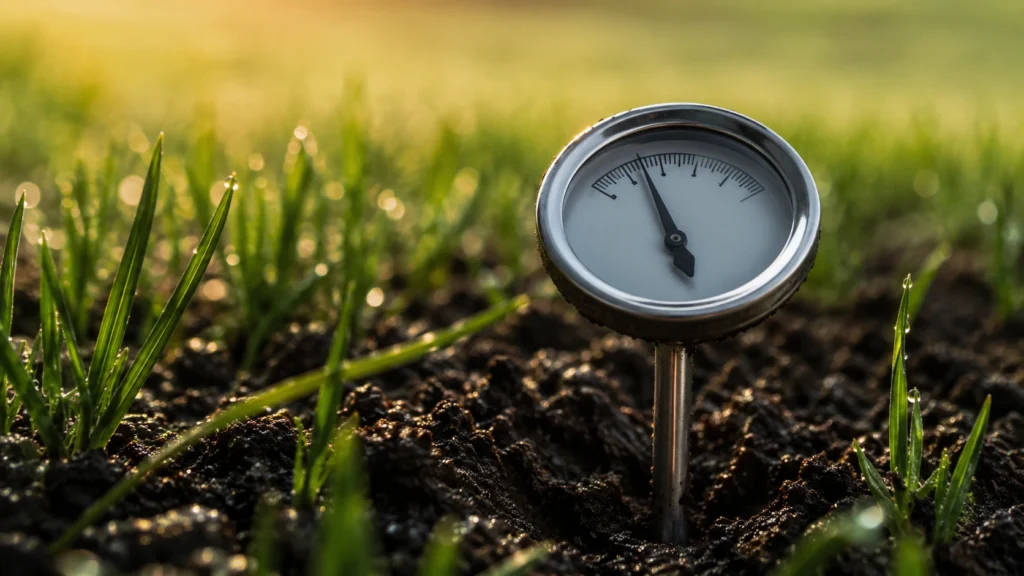
- Soil temperature readings: This is your primary trigger. Buy a cheap meat thermometer and stick it two inches into your dirt. When it reads 50°F for three consecutive days, germination is imminent.
- Blooming Forsythia bushes: The bright yellow flowers on these common suburban shrubs are nature’s biological clock. When they bloom, soil temperatures are right at the threshold for crabgrass germination.
I see homeowners waiting until mid-May to apply their first round of crabgrass preventer. By then, the seeds have already pushed through the soil crust. You have to act on data, not visuals.
Root Causes
Your lawn is sitting on a massive, invisible seed bank. Every square foot of dirt contains thousands of dormant weed seeds waiting for the right conditions.
Weeds like crabgrass are opportunistic annuals. They die off completely after the first hard frost in the fall, but not before dropping a new generation of seeds. Those seeds overwinter in your soil. Once the ground thaws and spring rains arrive, moisture penetrates the seed coat. However, the true catalyst is heat. When the top two inches of soil hit 55°F, a biological switch flips. The seed pushes a microscopic root down and a shoot up.
If there is no chemical barrier present in that top layer of soil, the weed breaches the surface and starts stealing nutrients from your turf. Bare patches, compacted soil, and scalping your lawn too short all accelerate this process by allowing maximum solar radiation to bake the dirt.
On my routes through transition zone states, the biggest cause of pre-emergent failure isn’t bad chemicals. It is homeowners applying the product to heavy thatch instead of aerating first. The chemical binds to the dead grass layer and never reaches the soil where the seeds actually live.
Step-by-Step Solution
Creating an effective chemical barrier requires exact timing and proper watering. Applying pre-emergent herbicide is not like throwing down standard fertilizer. The granular or liquid product must form an unbroken shield across your topsoil.
1. Check the Soil Temperature
Monitor your local soil temperatures online or use a probe. You want to apply your product when the soil is hovering between 50°F and 55°F. Do not guess.
2. Select Your Active Ingredient
Buy a product containing Prodiamine (like Barricade) for maximum longevity, up to 3-4 months of control. If you are a week or two late and suspect some seeds have just sprouted, choose Dithiopyr (like Dimension). Dithiopyr offers a slight post-emergent effect on crabgrass up to the 1-tiller stage.
3. Calibrate Your Spreader
Read the bag label for your specific spreader model setting. A standard rate for Prodiamine 0.38% is often around 3 to 4 lbs per 1,000 sq ft. Walk at a steady, normal pace.
4. Make Overlapping Passes
Apply half the bag walking North to South, and the other half walking East to West. This grid pattern ensures you do not leave untreated gaps in the barrier where weeds will push through. Always make sure to clear debris; read up on whether you should mow before weed and feed or pre-emergent applications to ensure the chemical reaches the dirt.
5. Water It In Immediately
This is the most critical step. Pre-emergents will sit on the surface and degrade under UV light if left dry. You must apply 0.5 inches of irrigation or time your application right before a heavy rainstorm. The water dissolves the chemical and pushes it into the top half-inch of the soil profile, creating the barrier.
You will not see dead weeds tomorrow. Success looks like a clean lawn two months from now.
Professional vs. DIY
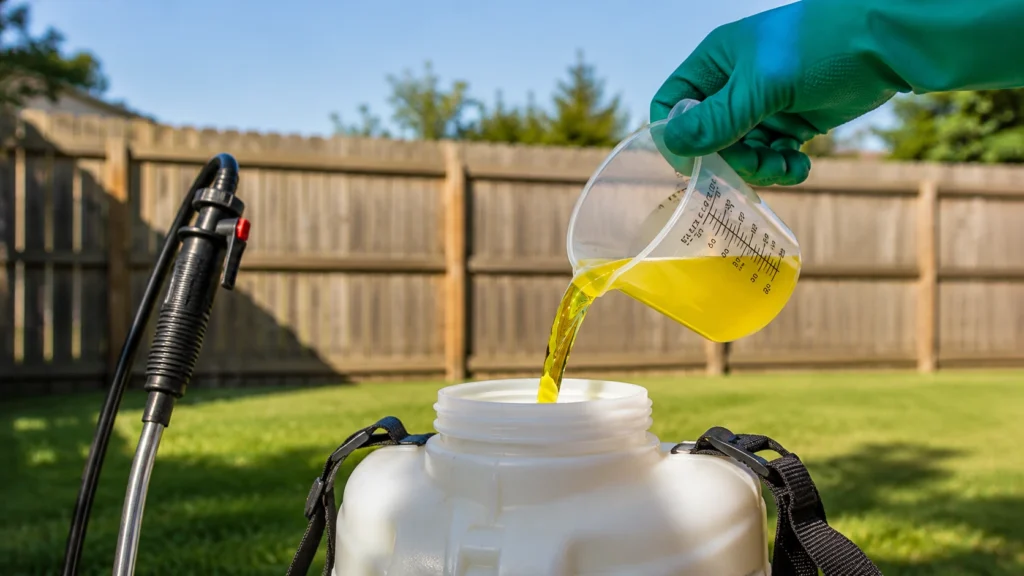
Applying granular pre-emergents is a highly accessible DIY project, but liquid tank spraying requires professional precision.
| Factor | DIY (Granular) | Professional (Liquid Tank) |
| Cost | $ | $$$ |
| Coverage | Good, but prone to gaps | Complete, uniform blanket |
| Effectiveness | High (if watered in) | Very High |
| Risk | Low | Low |
DIY granular bags from Scotts or Compare-N-Save are cheap and easy to push around. However, push spreaders easily miss edges near driveways—precisely where heat radiating from concrete causes crabgrass to sprout first. Professionals pull 400-foot hoses from 200-gallon truck tanks. They spray a liquid blanket of Pendimethalin or Prodiamine that coats the soil perfectly without granular gaps. If your yard has a massive weed history, hire a pro for the spring application to guarantee a tight barrier.
Common Misdiagnosis
The most frequent and expensive mistake a homeowner makes is confusing pre-emergent with post-emergent herbicides.
I have watched dozens of clients spread granular Prodiamine directly over a yard covered in blooming dandelions and broadleaf plantain in late May. Two weeks later, they complain the product is garbage because the weeds are still thriving. Pre-emergents do absolutely nothing to a weed that has already grown leaves. The plant has already bypassed the chemical barrier in the soil.
If you see green weeds above ground, you need a post-emergent herbicide containing 2,4-D, Quinclorac, or Triclopyr to absorb through the foliage and kill the root. Use pre-emergents strictly as an invisible shield for seeds you cannot see yet.
Prevention Tips
Do not rely entirely on chemicals to stop weeds. A thick, healthy lawn is your best natural pre-emergent.
Mow your grass high. Keep your mower deck at 3.5 to 4 inches during the summer heat. Tall grass blades cast heavy shade over the dirt, keeping the soil temperatures lower and depriving weed seeds of the sunlight they need to thrive.
Adopt a split-application strategy. Instead of dropping a massive dose of Prodiamine in March, apply half the recommended rate in early spring when temps hit 50°F. Wait 45 days, then apply the second half. This split technique extends your chemical barrier deep into the brutal heat of August, stopping late-germinating spurge and goosegrass from taking over.
Pro-Tips Box: Never apply standard pre-emergents like Prodiamine or Pendimethalin if you plan to overseed your lawn in the spring. These chemicals cannot tell the difference between a crabgrass seed and a premium Kentucky Bluegrass seed; they will destroy the roots of your new grass. If you absolutely must seed in the spring, your only chemical option is Mesotrione (Tenacity), which allows cool-season turf to germinate while blocking weeds. Always read the label on how to care for new sod or seed, as most barriers require waiting 3 to 4 months before planting new turf.
People Also Ask
Does pre-emergent kill existing weeds?
No. Pre-emergent herbicides only prevent seeds from developing a root system as they germinate underground. If a weed has already sprouted leaves above the soil surface, you must use a post-emergent liquid spray to kill it.
When should I apply pre-emergent herbicide?
Apply the product in early spring when your local soil temperatures consistently reach 50°F to 55°F for several days. A second application in early fall is highly recommended to stop winter annuals like Poa annua from germinating.
Do I need to water in pre-emergent?
Yes, watering is mandatory. You must apply at least 0.5 inches of water through irrigation or rain within 48 hours of spreading the product to push the active ingredients off the grass blades and into the topsoil barrier.
What to Read Next
If you applied your chemical unevenly or overlapped too heavily with a nitrogen-loaded weed-and-feed bag, you might damage your turf. Learn how to recover from a burnt lawn with fertilizer before the summer heat makes the stress permanent.