
About Us
Welcome to Yard Care Science. We bridge the gap between professional turf management and everyday DIY lawn care. Our mission is to provide homeowners with field-tested diagnostics, precise product recommendations, and science-backed solutions to eliminate pests, cure diseases, and build a resilient yard.
Lastest Posts
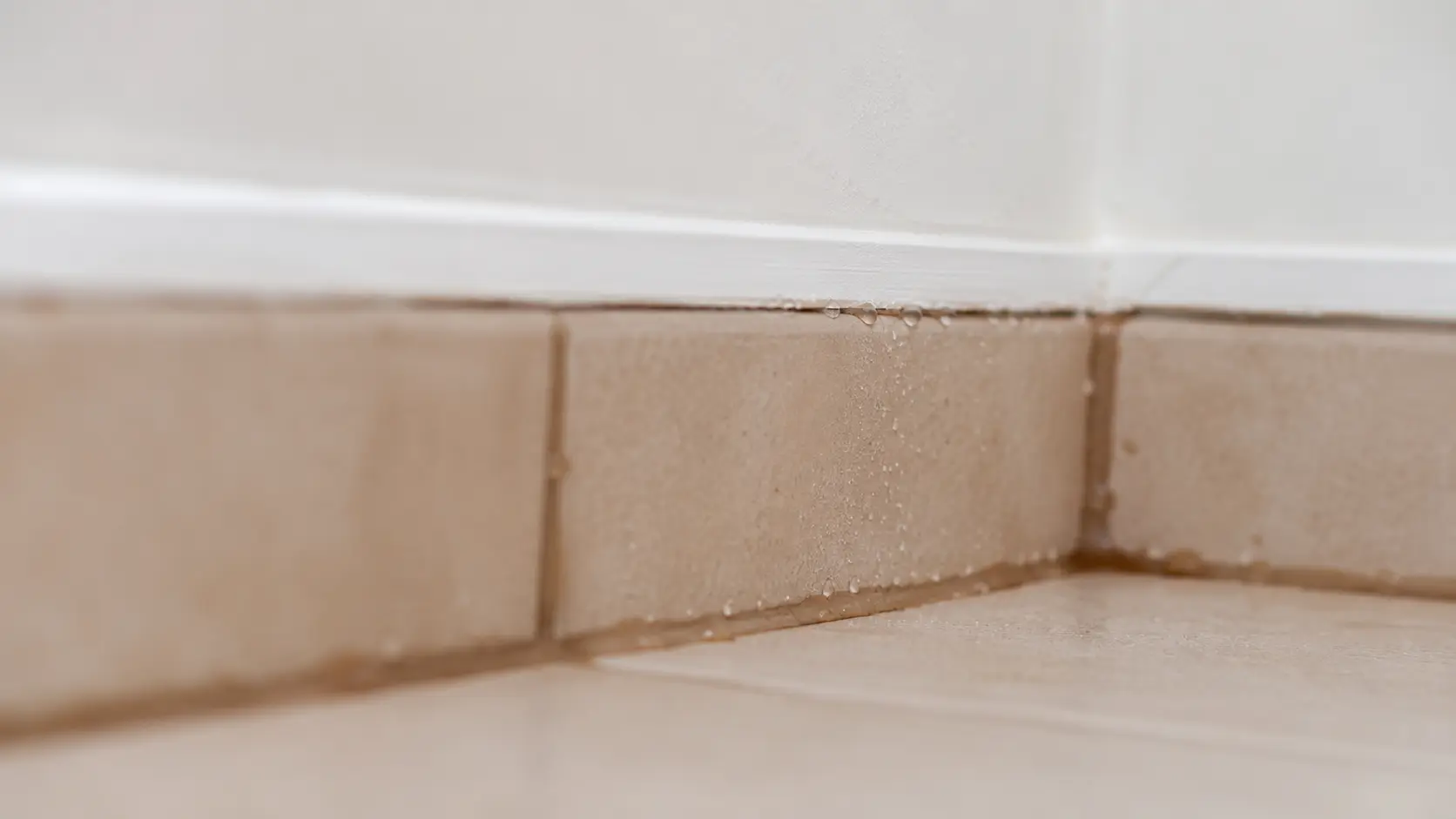
Springtails Natural Remedy: 3 Steps to Eradicate Them Safely
July 9, 2026
The fastest natural remedy for springtails is eliminating their moisture source while applying a localized knockdown spray of equal parts white vinegar and water. Because springtails breathe through their skin, acidic liquids and desiccants like Diatomaceous Earth kill them quickly without the need for synthetic pesticides. Eradication Plan (Step-by-Step) Getting rid of springtails requires breaking
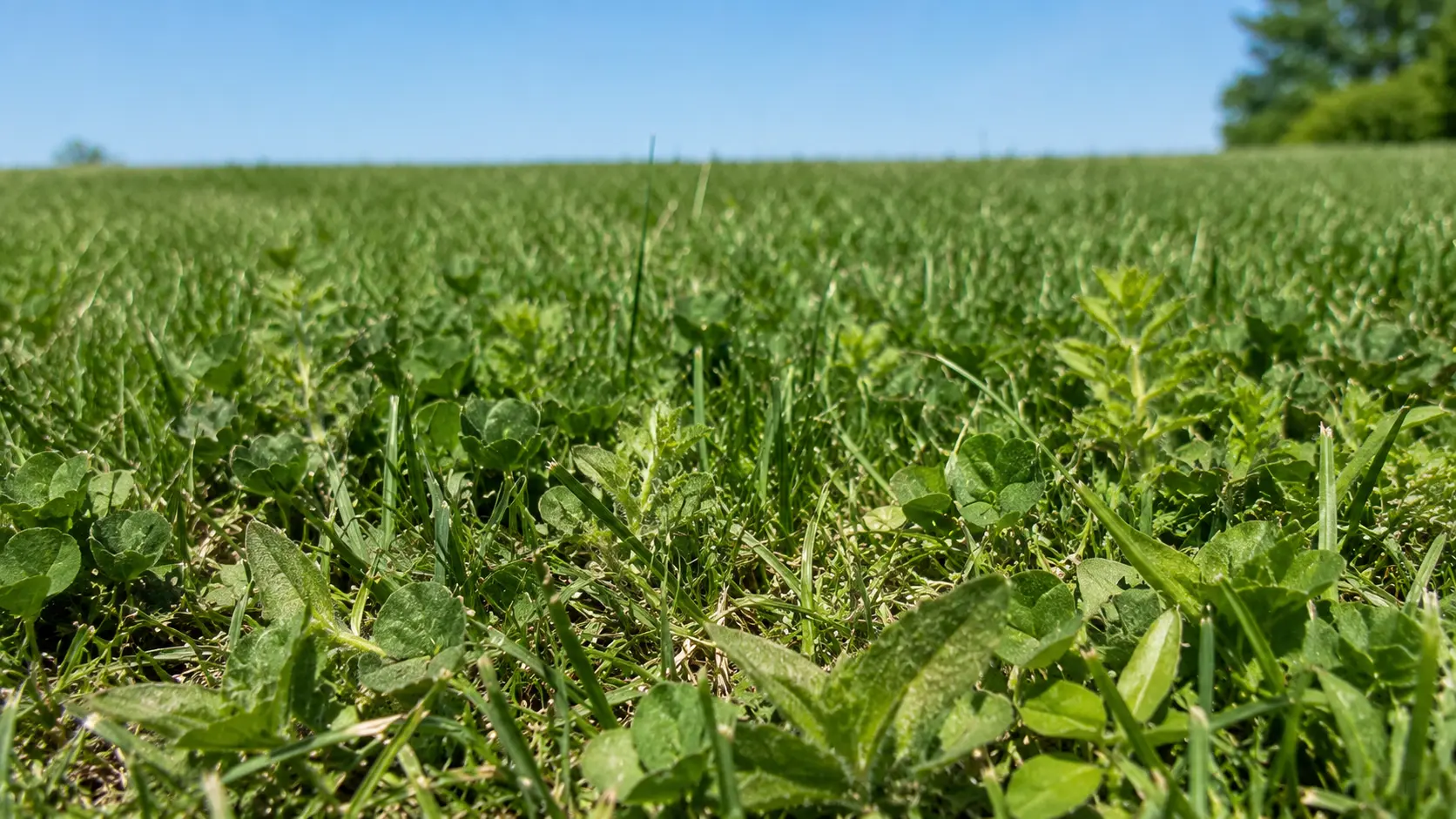
Oxalis vs Clover: How to Identify and Kill Both Permanently
July 8, 2026
Oxalis and clover are entirely different broadleaf weeds that require specific chemical approaches to kill. Clover has three oval leaflets with a white watermark and thrives in nitrogen-depleted soil. Oxalis, or yellow woodsorrel, has three heart-shaped leaflets, produces yellow flowers, and features a deep, resilient taproot. You cannot eradicate oxalis with standard 2,4-D herbicides; you
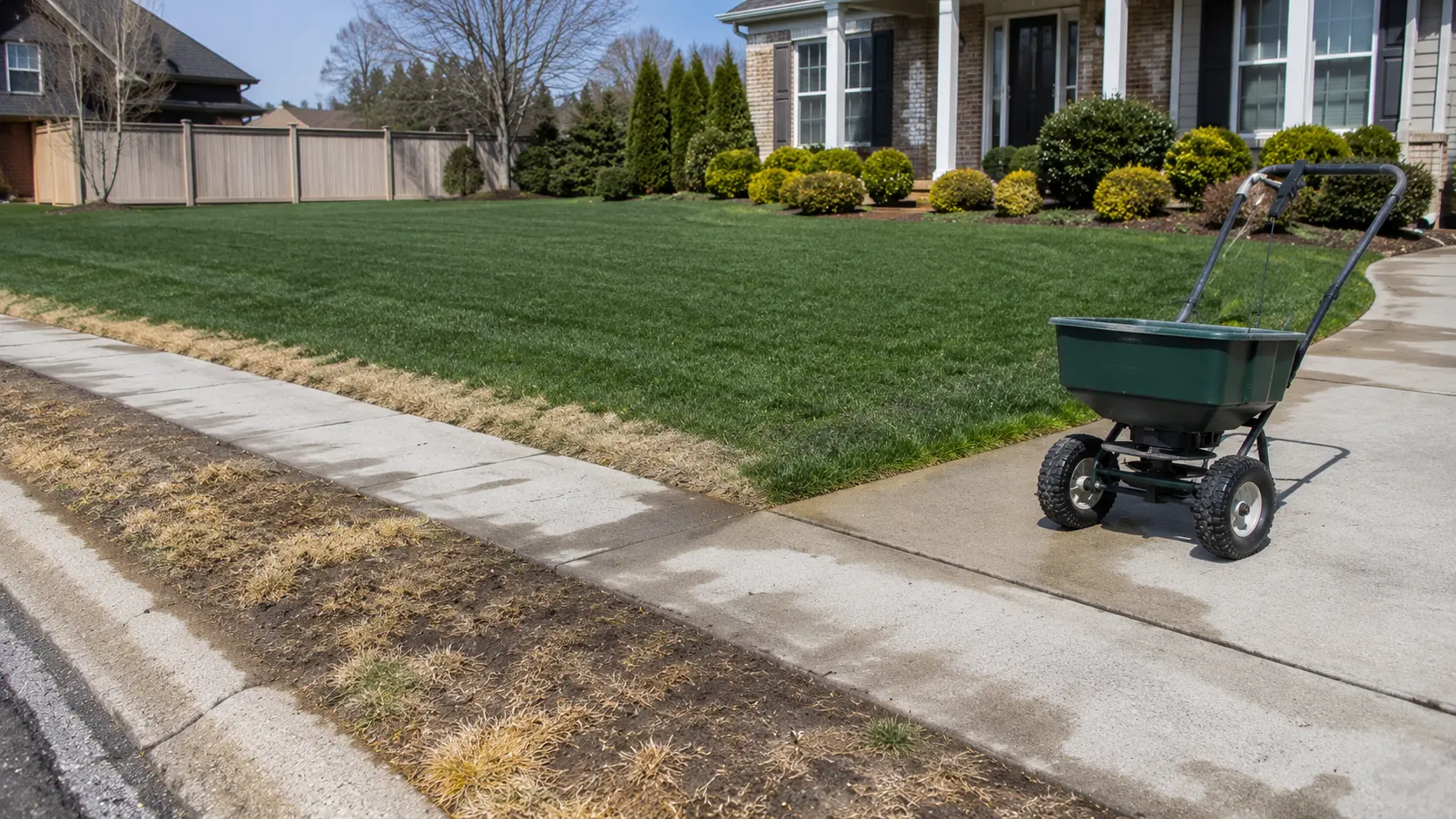
Gypsum for Lawns: Does It Work & How to Apply It Correctly
July 7, 2026
Gypsum (calcium sulfate) is highly effective at repairing sodic soils damaged by winter rock salt runoff, coastal sea spray, or pet urine. It does not relieve standard mechanical soil compaction in heavy clay yards; fixing hard, compacted dirt requires physical core aeration. Applying gypsum to normal, non-sodic soil won’t kill your grass, but it wastes
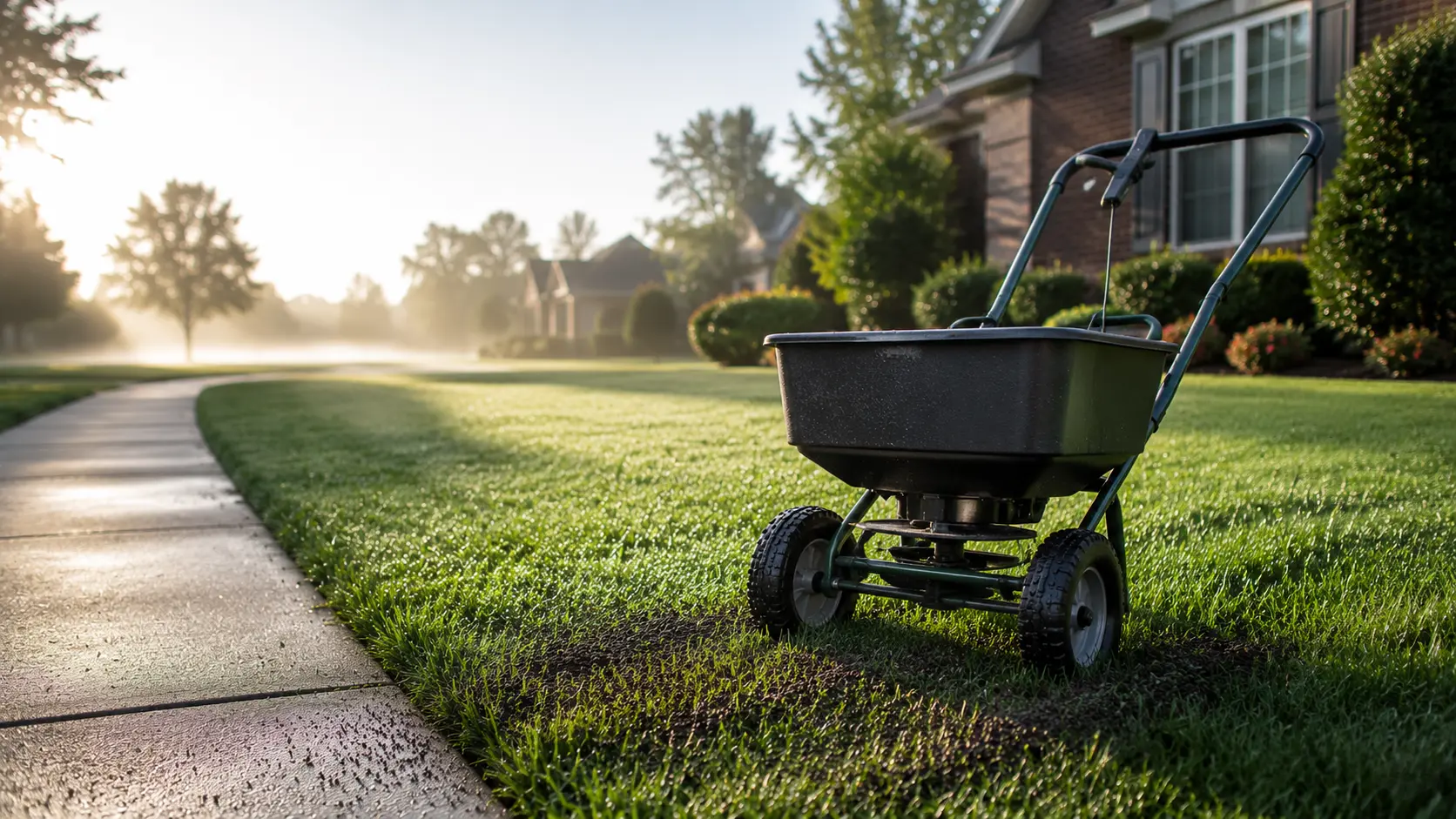
What Does Humic Acid Do for a Lawn? (The Pro’s Guide)
July 6, 2026
Humic acid is a carbon-rich soil conditioner that chelates (binds to) locked-up nutrients in your soil, making them instantly available for your grass roots to absorb. It breaks down compacted clay, increases water retention in sandy soils, and feeds beneficial microbes, essentially acting as a multiplier that makes your regular fertilizers work up to 30%
Bindweed vs Morning Glory: Identification & Eradication
July 5, 2026
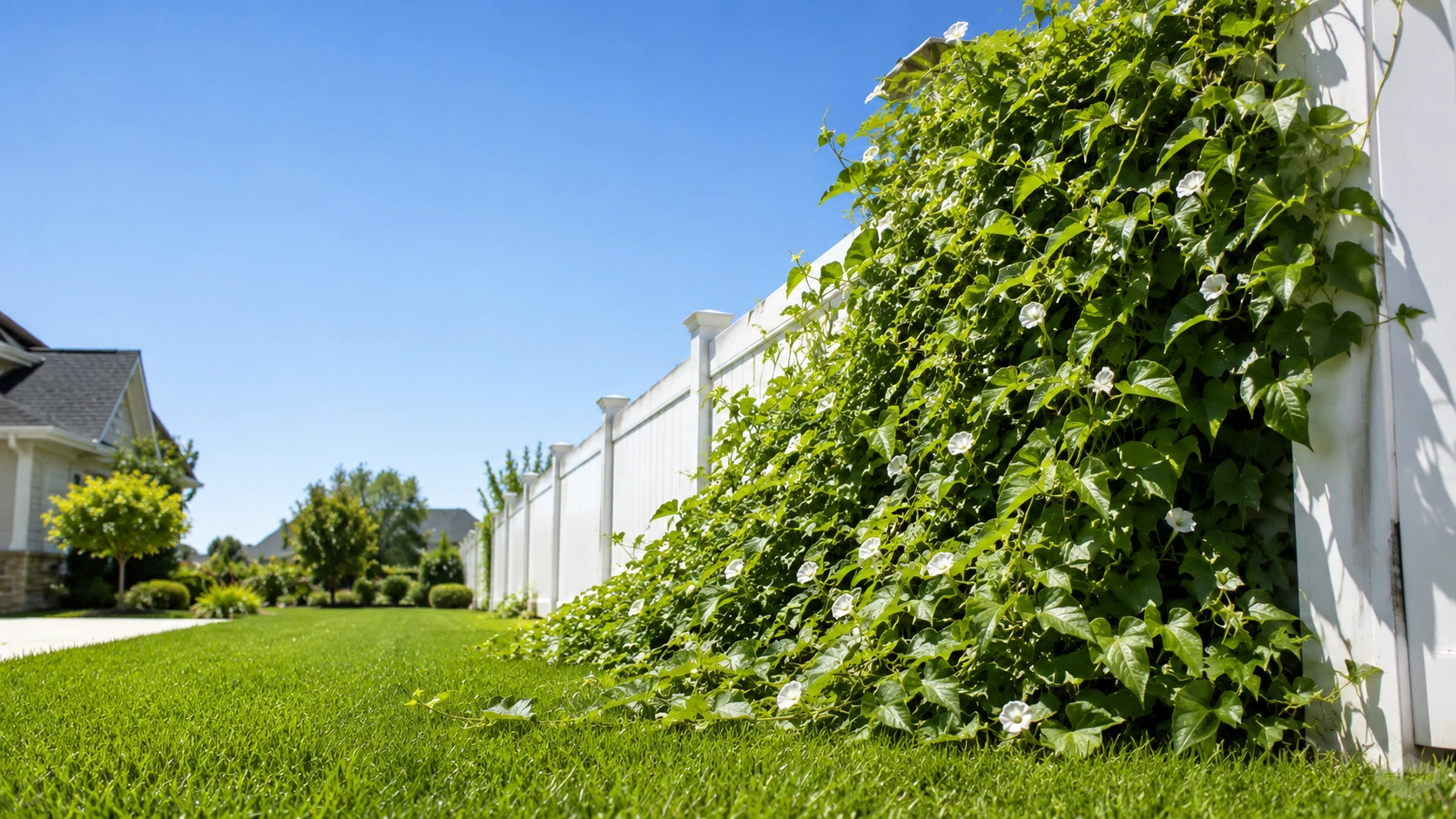
Field bindweed is a highly invasive perennial weed with arrow-shaped leaves and massive underground rhizome networks that choke out your lawn and shrubs. Morning glory is an intentional, annual ornamental vine with heart-shaped leaves, large colorful blooms, and a shallow root system. You must kill bindweed chemically; pulling it breaks the root fragments and multiplies
Palmetto Bug vs Cockroach: Identification & Eradication Guide
July 4, 2026
A “palmetto bug” is simply a regional nickname used in the Southeastern United States for the American cockroach (Periplaneta americana), though it is also occasionally applied to the Smokybrown cockroach. They are exactly the same pest. The distinction matters primarily for treatment: these are large, flying, moisture-loving outdoor roaches that require aggressive exterior perimeter defenses,
What Kills Billbugs? Top Insecticides & Treatment Plan
July 3, 2026
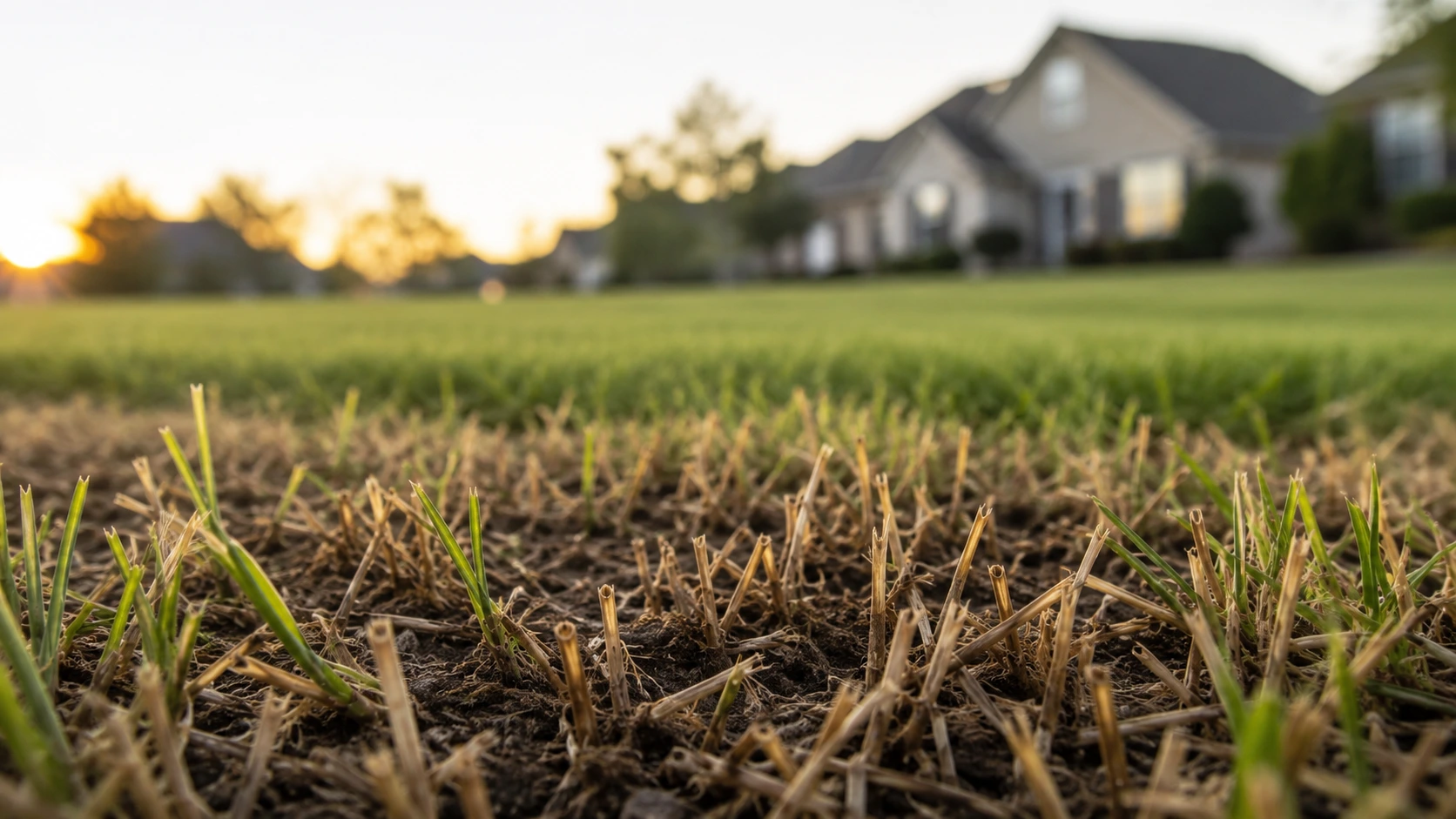
Bifenthrin and Clothianidin are the most effective curative active ingredients that kill adult billbugs on contact and eradicate active larvae in the thatch layer. For long-term prevention, applying a systemic insecticide like Imidacloprid in late spring kills newly hatched larvae before they can hollow out your turfgrass stems. Liquid applications offer the fastest knockdown for
Oil in Lawn Mower Air Filter? Here’s How to Fix It Fast
July 2, 2026
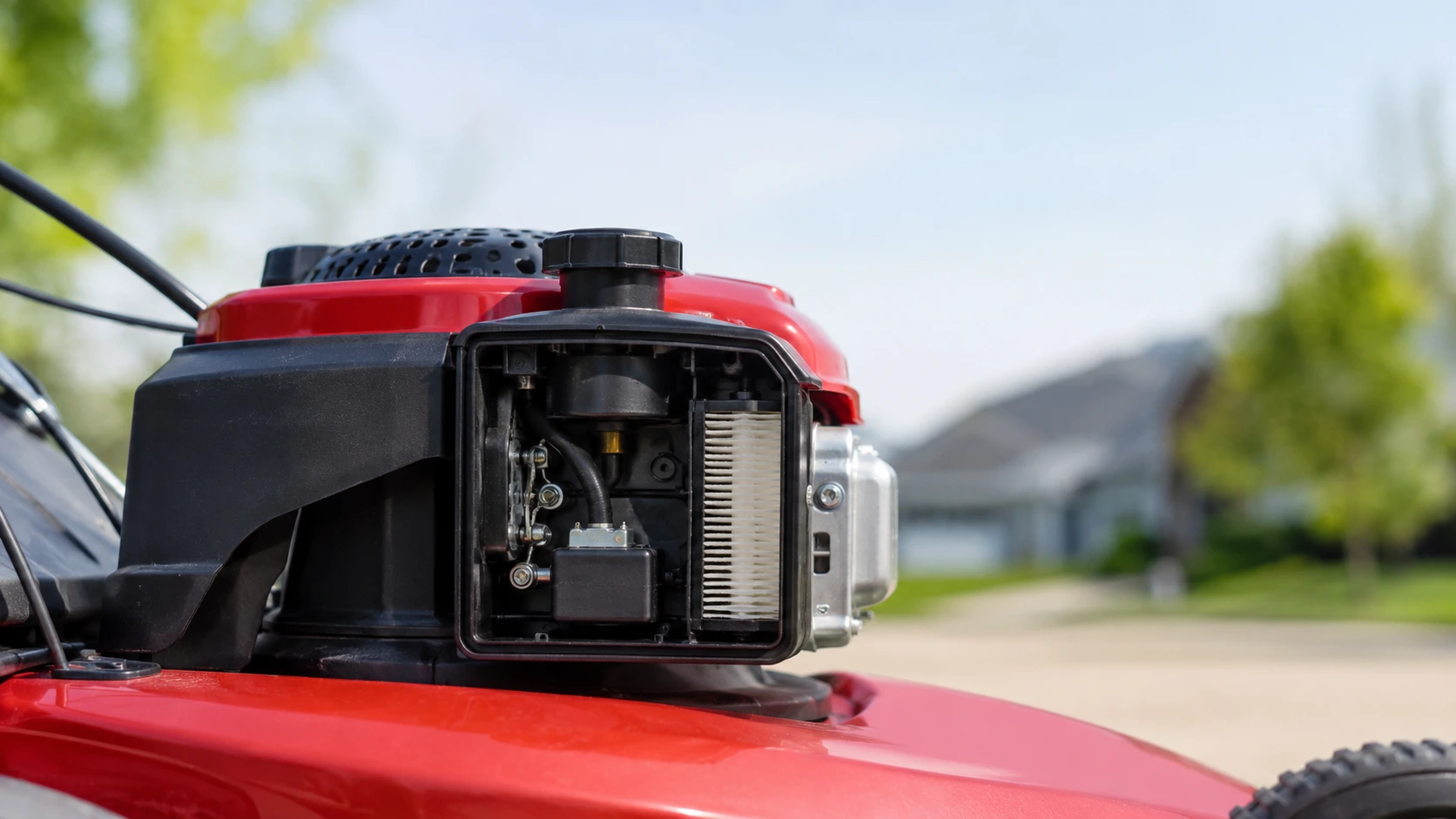
If you find oil in your lawn mower air filter, you either tipped the mower with the carburetor facing down, or you significantly overfilled the crankcase. The oil bypasses the breather tube and saturates the paper or foam filter, choking the engine of oxygen. You need to remove the ruined filter, clean the plastic housing
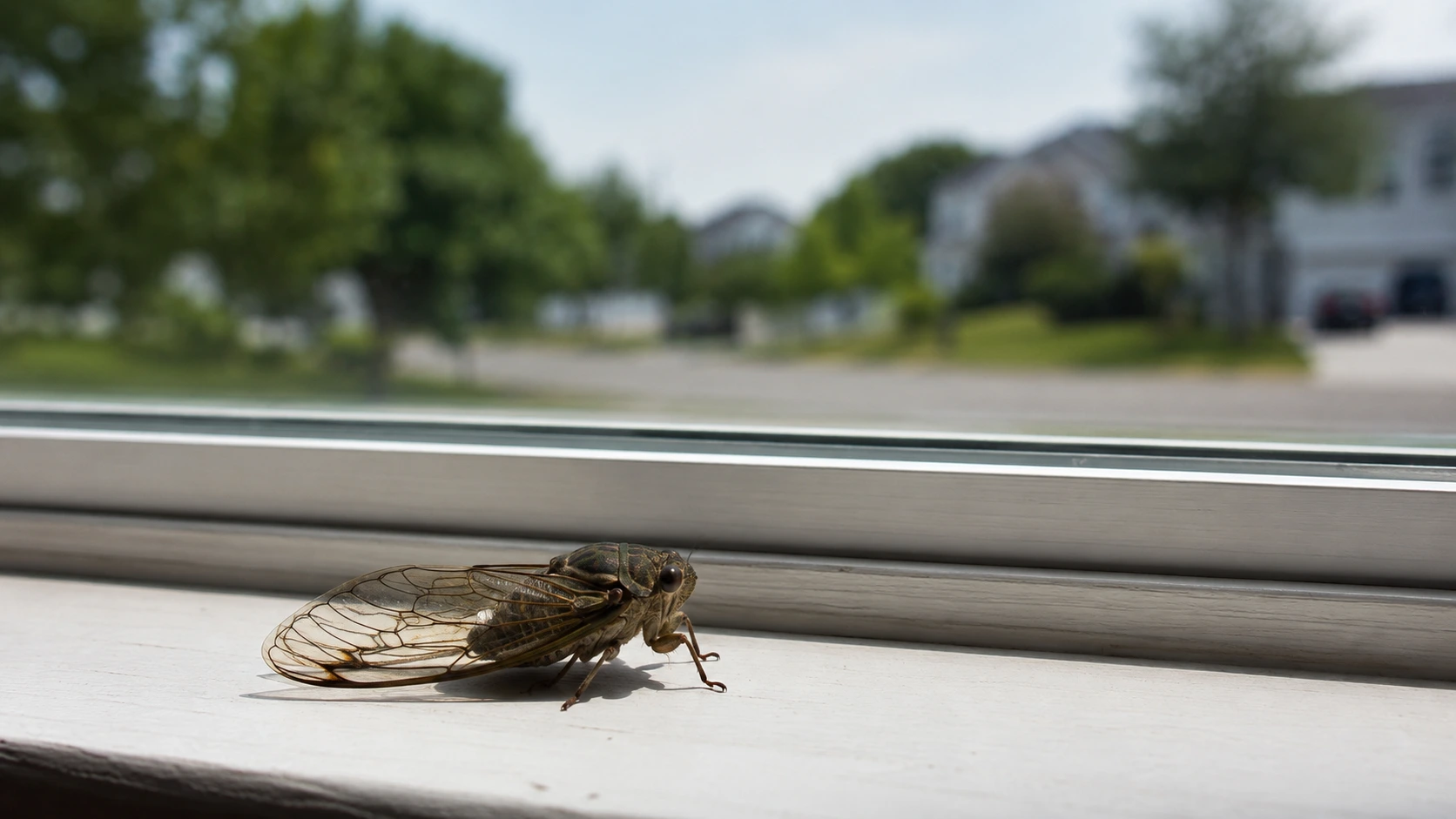
How to Get Rid of Cicadas in Your House: Fast Removal & Exclusion
July 1, 2026
Cicadas do not infest houses, breed in your walls, or eat your structural wood. If you have cicadas inside your home, they flew in by accident through an open door, a torn screen, or a gap around a window AC unit. To get rid of them immediately, do not use chemical insect sprays; simply use
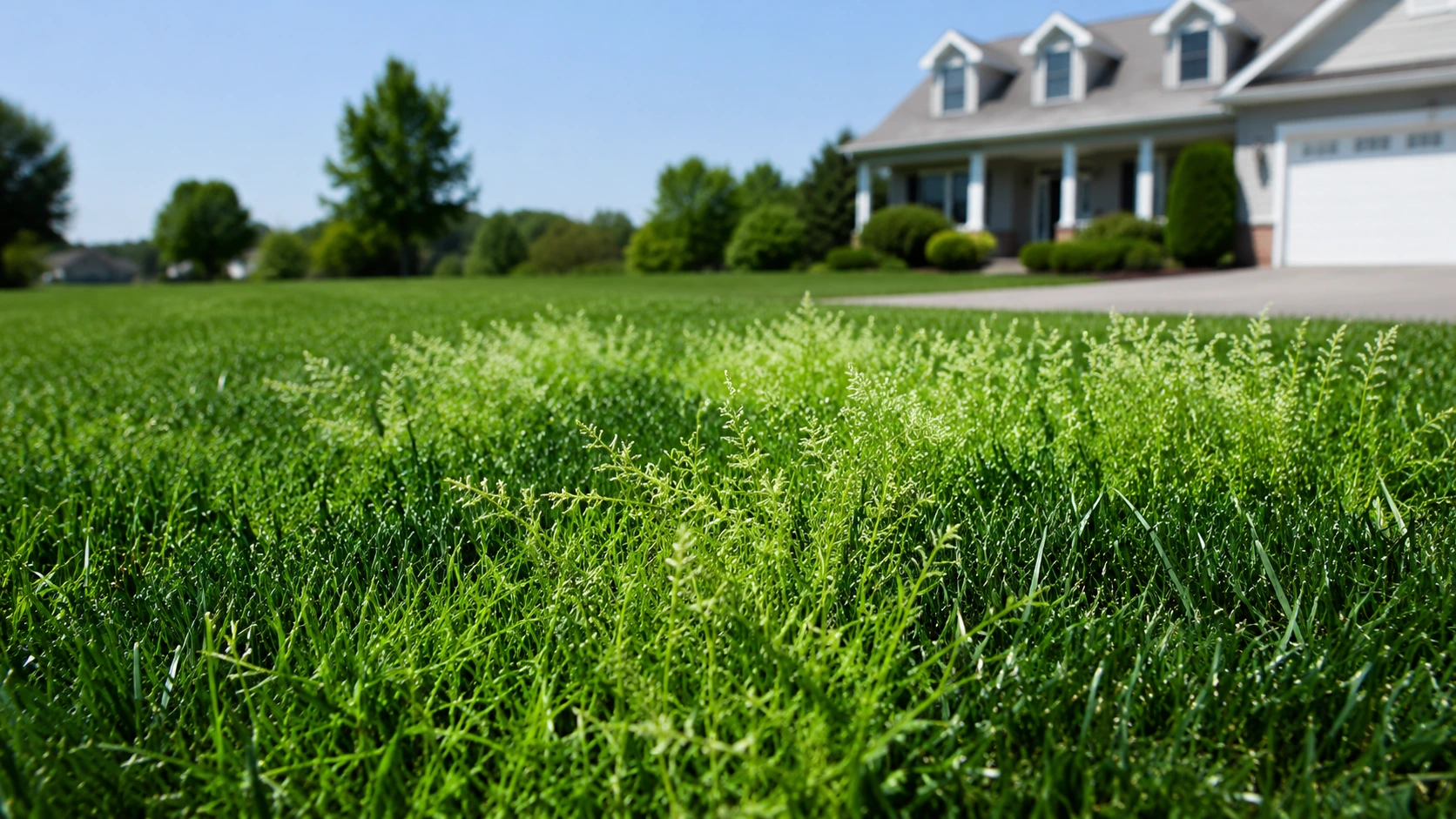
How to Kill Poa Annua (Annual Bluegrass) Before It Spreads
June 30, 2026
To effectively kill Poa annua (annual bluegrass), you must apply a pre-emergent herbicide like Prodiamine in late summer or early fall when soil temperatures drop to 70°F. If you are dealing with existing, sprouted Poa annua, post-emergent control requires non-selective herbicides like Glyphosate for spot treatments, or specific selective chemicals like Ethofumesate for cool-season lawns