
About Us
Welcome to Yard Care Science. We bridge the gap between professional turf management and everyday DIY lawn care. Our mission is to provide homeowners with field-tested diagnostics, precise product recommendations, and science-backed solutions to eliminate pests, cure diseases, and build a resilient yard.
Lastest Posts
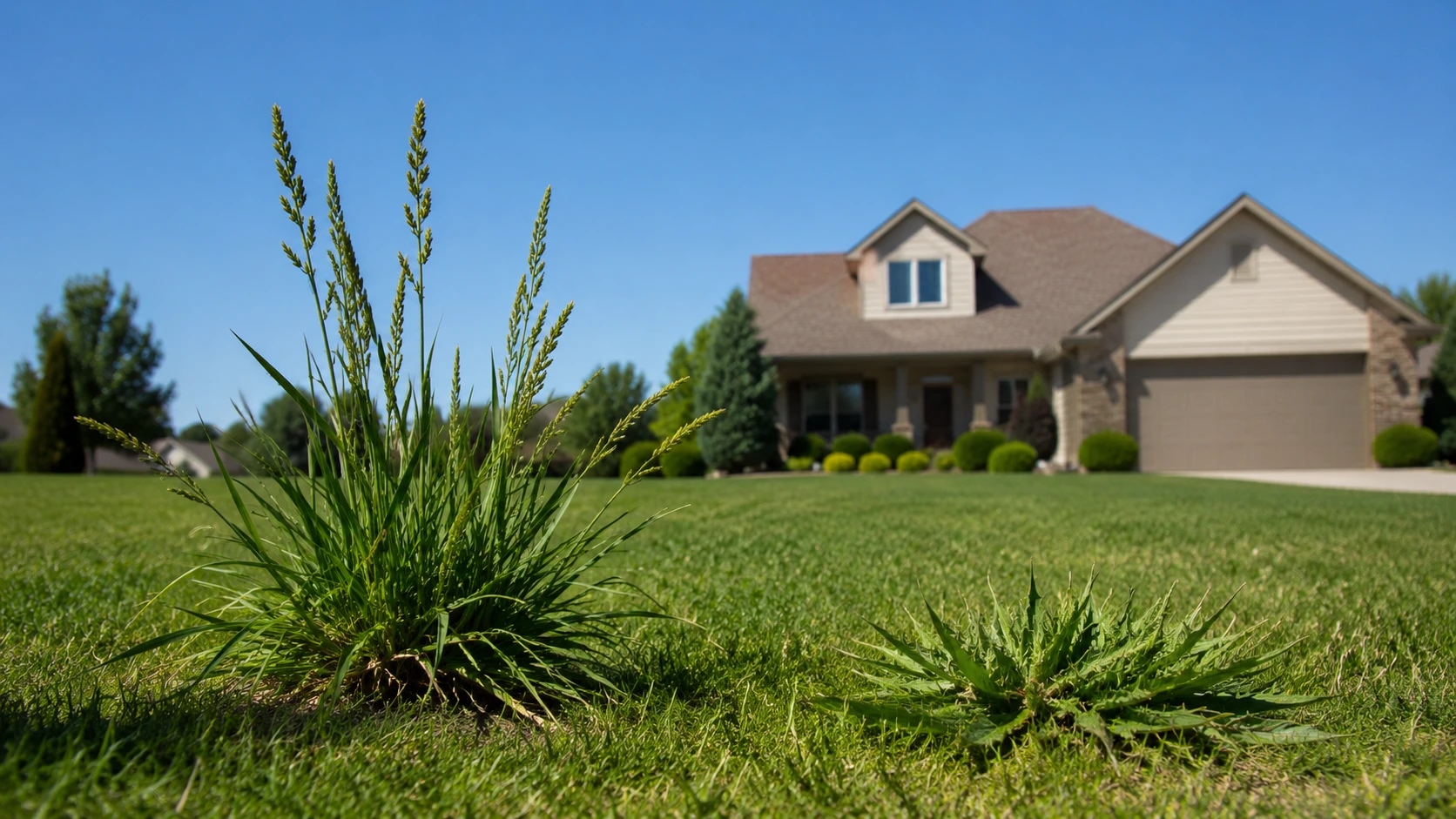
Dallisgrass vs Crabgrass: Field Guide to ID and Kill Both
June 29, 2026
Dallisgrass is a perennial weed that grows in an upright, circular clump with deep rhizomes, surviving winter and returning every spring. Crabgrass is a summer annual that grows flat against the soil in a sprawling starburst pattern, dying off completely after the first hard frost. You cannot treat them the same way; crabgrass control relies
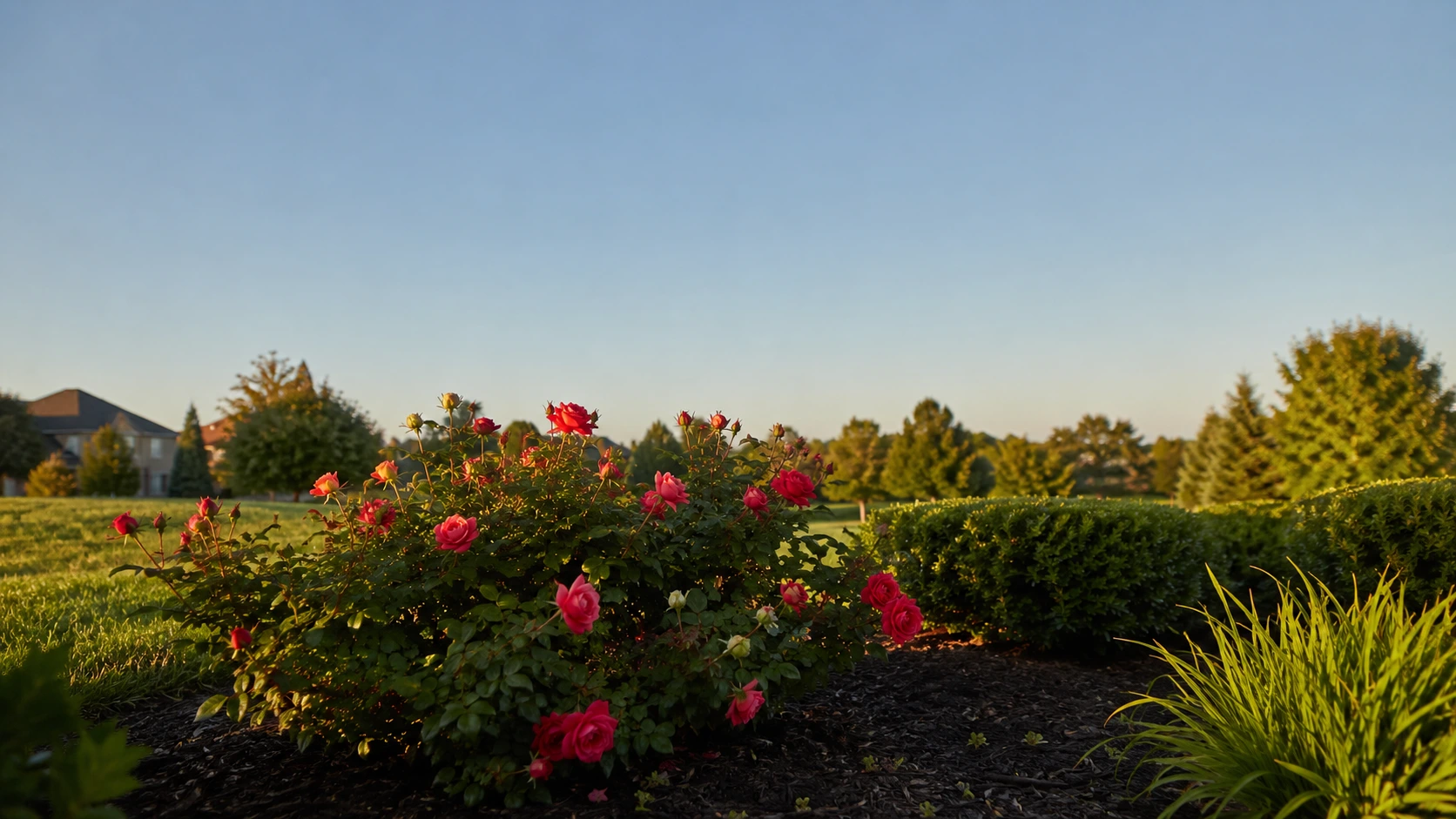
Why Are My Rose Flower Buds Falling Off Before Opening?
June 28, 2026
Rose flower buds fall off before opening—a condition known as “bud drop” or “bud blast”—primarily due to microscopic rose midges, severe thrip infestations, or Botrytis blight. Sudden fluctuations in soil moisture and extreme heat waves also force the shrub to abort its blooms to conserve energy. Saving the remaining buds requires immediately identifying whether you
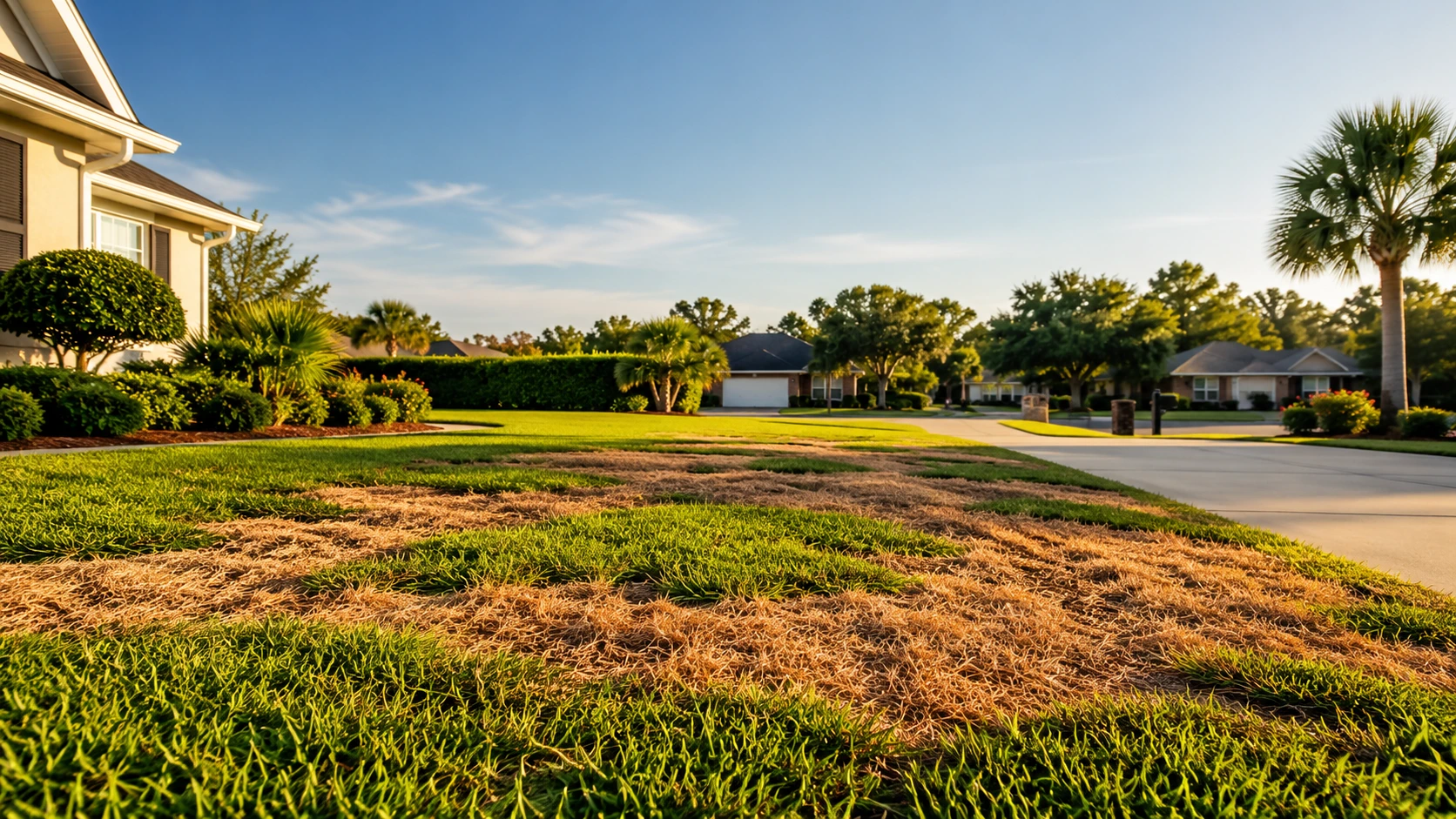
Chinch Bug Lawn Treatment: Stop Turf Damage Fast (Pro Guide)
June 27, 2026
Chinch bugs inject a toxin into grass blades that stops water absorption, turning patches of your lawn brown and brittle within days. The most effective chinch bug lawn treatment is an immediate broadcast application of a pyrethroid like Bifenthrin, combined with a systemic insecticide like Imidacloprid. You must water the liquid or granular product deep
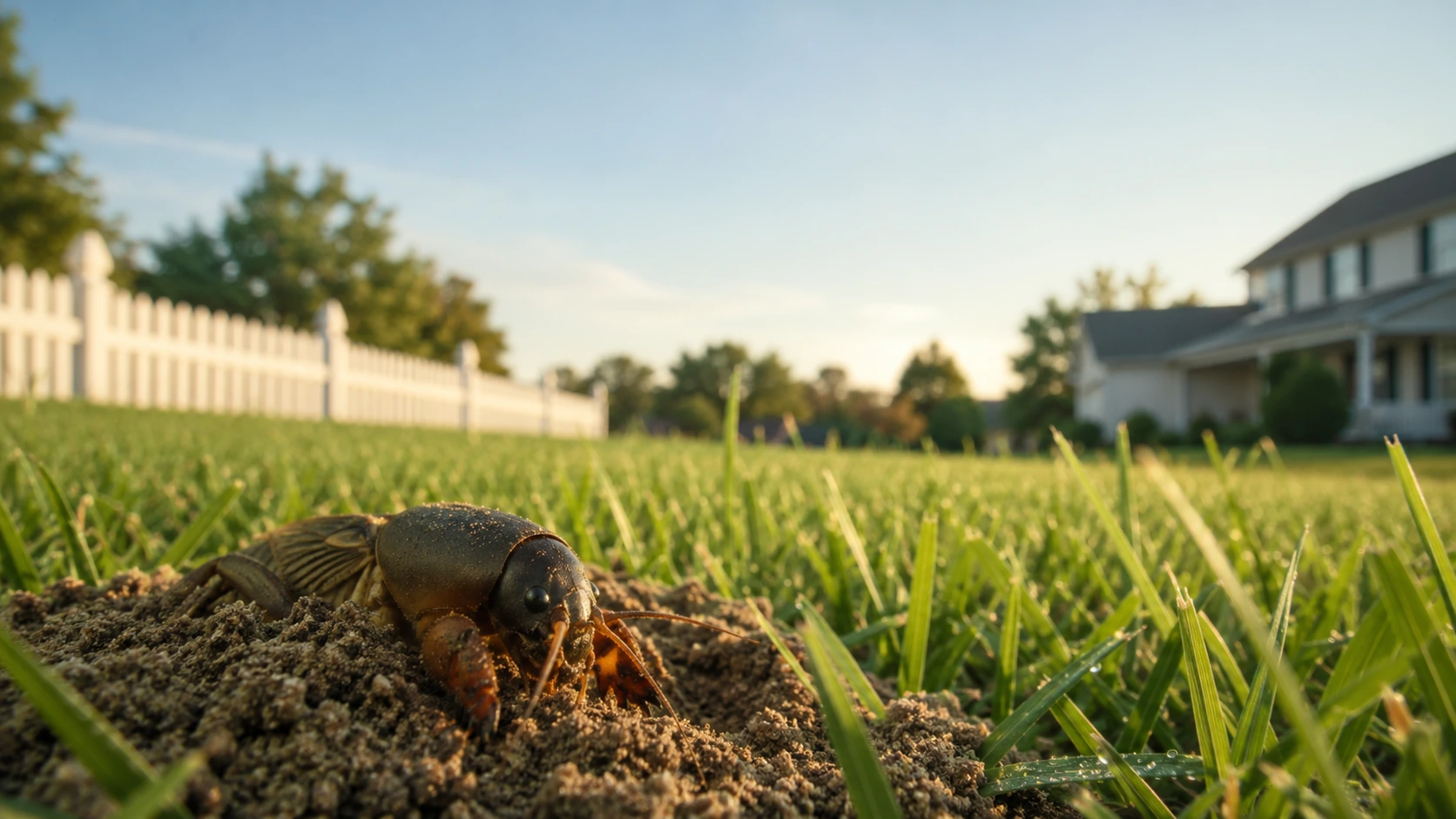
Is a Mole Cricket Dangerous? Identification & Pro Control Steps
June 26, 2026
Are mole crickets dangerous to humans or pets? No. They do not bite, they lack stingers, and they do not transmit diseases. If you pick one up, you might feel a mild scratching sensation from their heavily armored, shovel-like front legs trying to dig into your skin, but they are entirely harmless to you. To
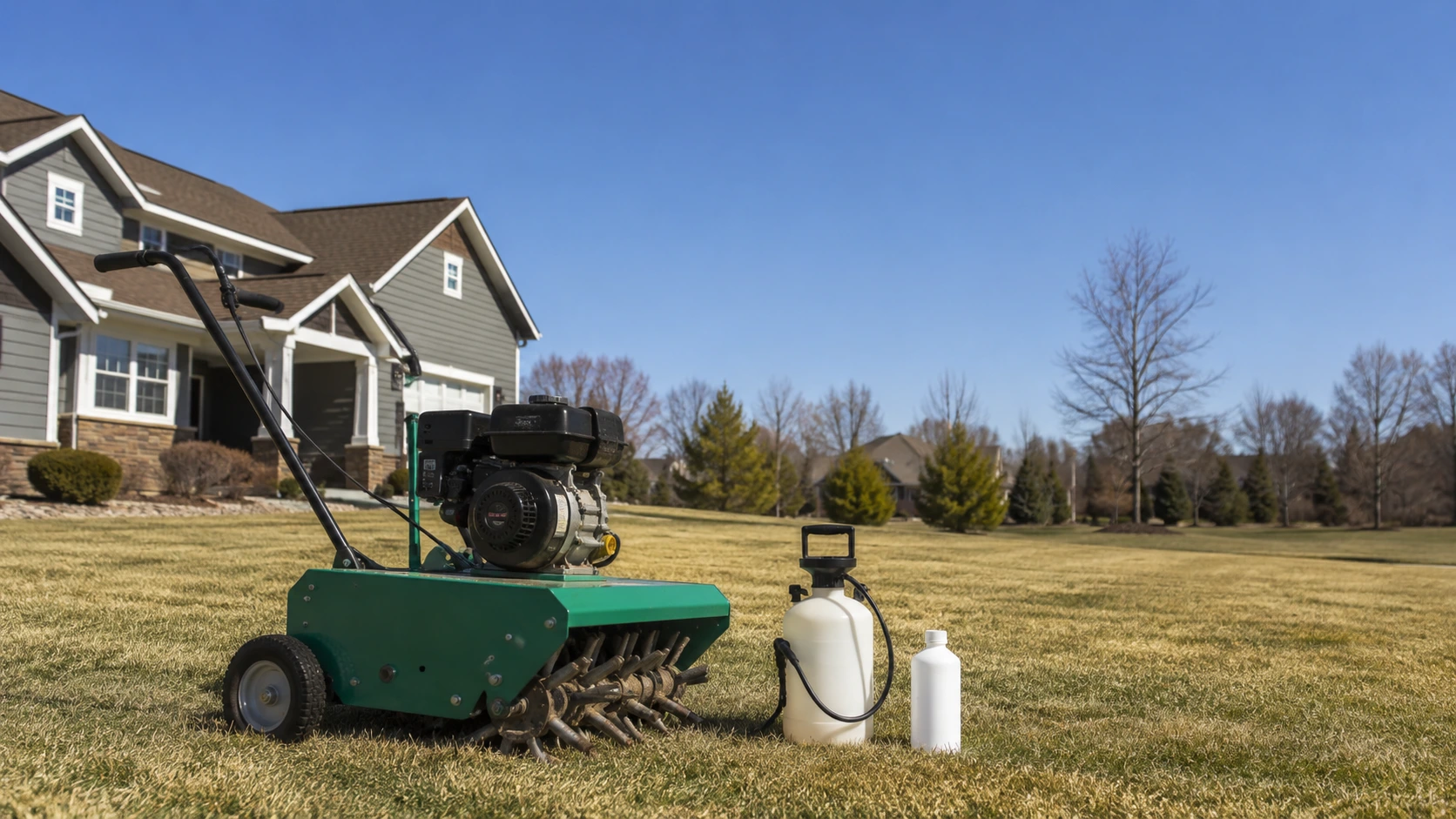
Liquid Aeration vs Core Aeration: Which Actually Works?
June 25, 2026
Core aeration physically pulls 2- to 3-inch soil plugs from the ground to immediately relieve severe compaction and break through thick thatch layers. Liquid aeration uses humic acids and soil penetrants to microscopically fracture soil structure over time, making it best suited for mild compaction or ongoing clay maintenance. If you cannot easily push a

Fairy Rings in Grass: Spiritual Meaning vs. Fungal Reality
June 24, 2026
While European folklore claims that dark green circles of grass and sudden mushroom sprouts are the result of fairies dancing overnight or portals to the spirit world, the agronomic reality is entirely grounded in soil biology. A fairy ring is the visible symptom of soil-borne Basidiomycete fungi breaking down buried organic matter. As the underground
Lawn Mower Vibrating? Stop the Engine and Check These 4 Things
June 23, 2026
A vibrating lawn mower usually points to an unbalanced or bent cutting blade, loose engine mounting bolts, or a damaged crankshaft. Disconnect the spark plug immediately to prevent accidental starts, then tilt the mower carburetor-side up to inspect the undercarriage. If the blade is secure and undamaged, I frequently find that the intense vibration actually
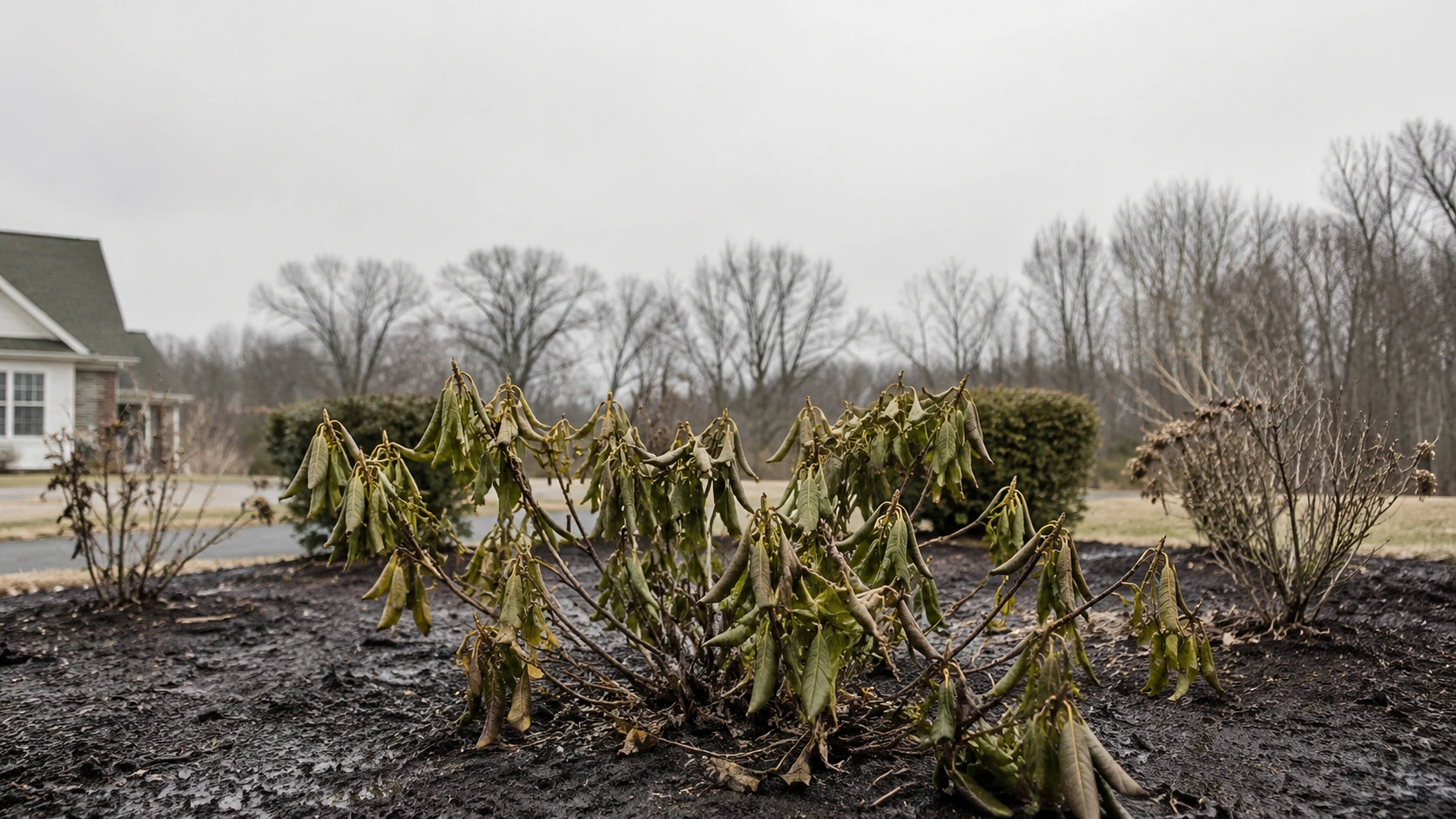
Why Is My Rhododendron Dying? Diagnosing & Fixing Root Rot
June 22, 2026
A dying rhododendron is typically suffering from Phytophthora root rot, suffocating in poorly draining clay soil, or struggling with a soil pH above 6.0. If the leaves are curling downward and turning brown but refusing to drop off the branches, the root system is failing. Saving the plant requires immediate moisture management, pruning of diseased
Kentucky Bluegrass vs Tall Fescue: Which Turf Wins in 2026?
June 21, 2026
Kentucky Bluegrass (KBG) provides a dense, aggressive, self-repairing turf with a premium dark green color but demands heavy irrigation and frequent nitrogen applications. Turf Type Tall Fescue (TTTF) develops a deep root system reaching up to 3 feet into the soil, making it exceptionally heat and drought-tolerant for transition zones. Choose TTTF if your yard
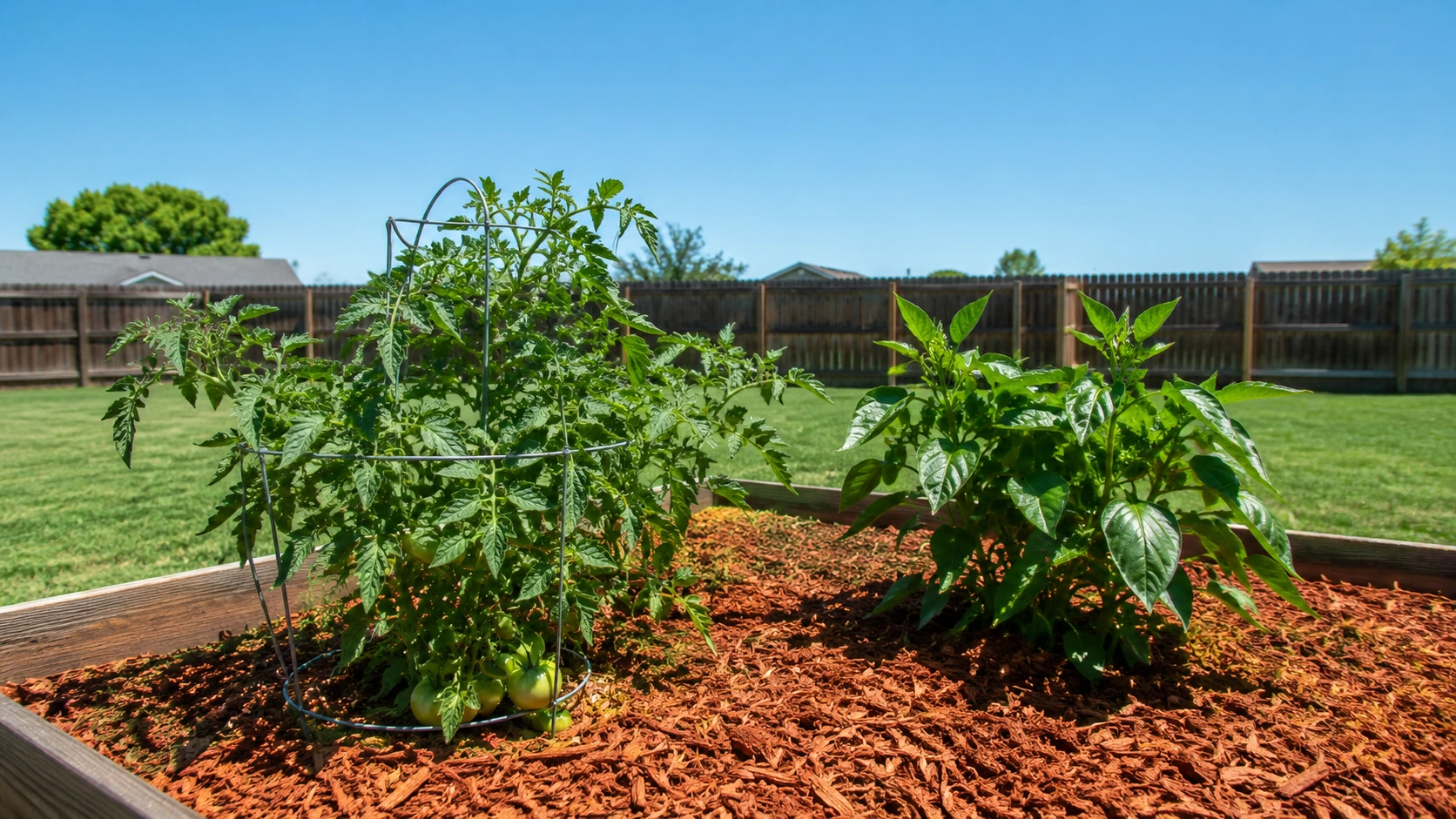
Is Cedar Mulch Good for Vegetable Gardens? (Pros & Cons)
June 20, 2026
Yes, cedar mulch is highly beneficial for vegetable gardens when applied correctly. It retains soil moisture, regulates temperature, and suppresses aggressive weeds. The natural oils in cedar also help repel certain nuisance insects. You must apply it exclusively to the soil surface. Mixing raw cedar chips directly into the soil will steal essential nitrogen from