
About Us
Welcome to Yard Care Science. We bridge the gap between professional turf management and everyday DIY lawn care. Our mission is to provide homeowners with field-tested diagnostics, precise product recommendations, and science-backed solutions to eliminate pests, cure diseases, and build a resilient yard.
Lastest Posts
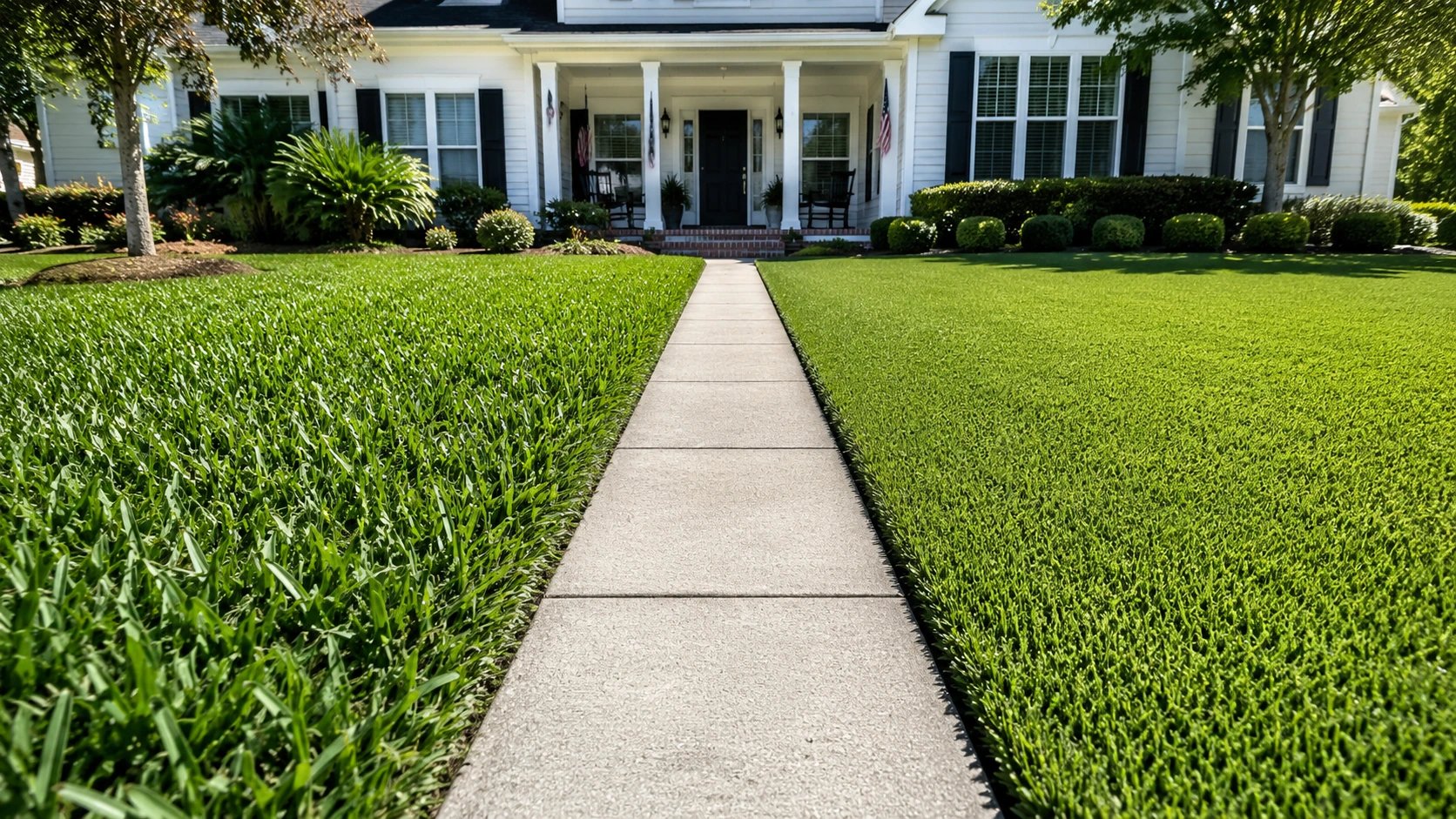
St. Augustine vs Zoysia Grass: Which Turf Dominates Your Yard?
June 19, 2026
St. Augustine and Zoysia are premium warm-season grasses engineered for completely different yard environments. St. Augustine features broad, flat blades and dominates in shady, humid areas, though it handles heavy foot traffic poorly. Zoysia creates a dense, fine-textured carpet that withstands aggressive wear from kids and dogs, but it recovers slowly from damage and demands
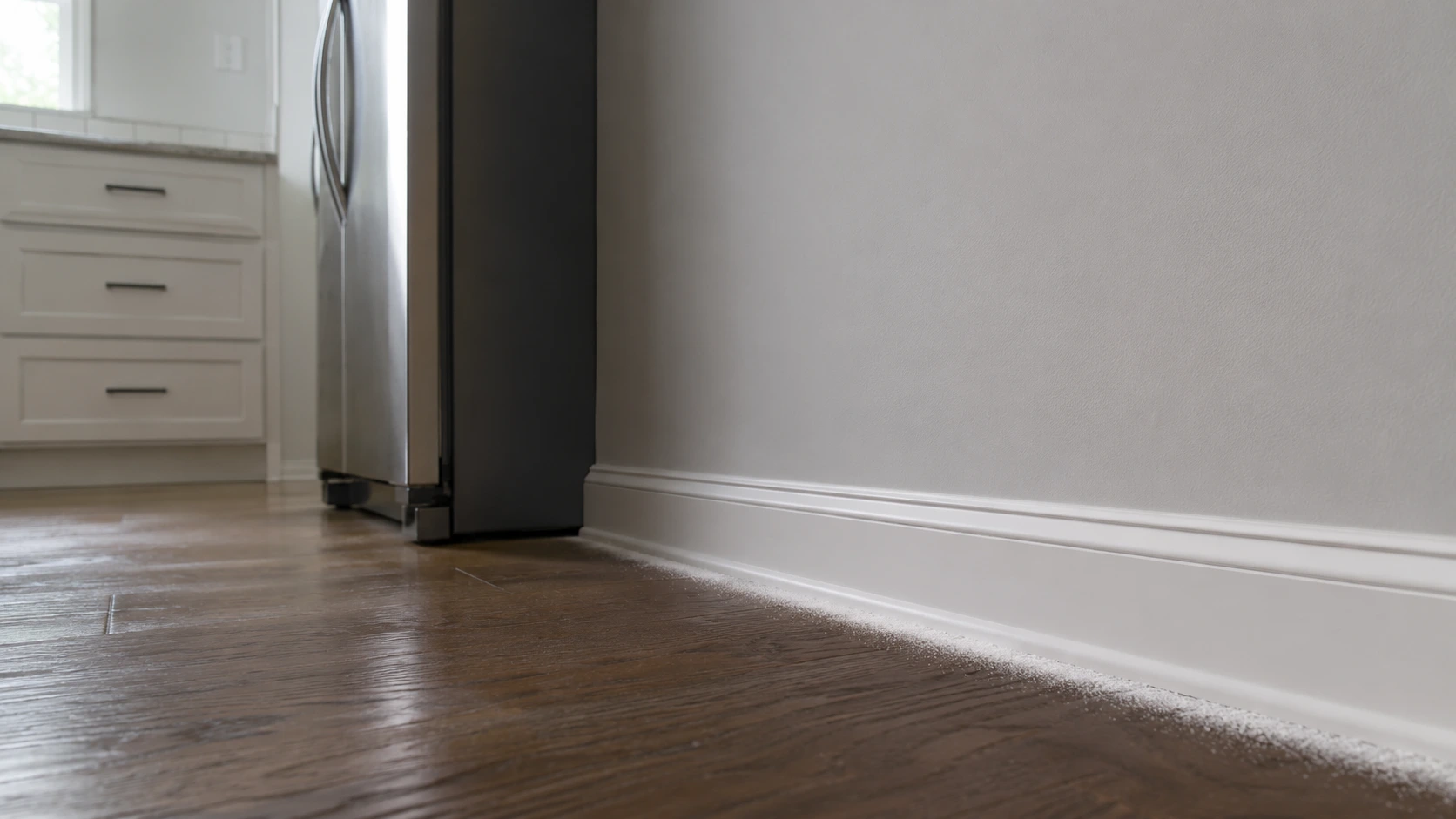
Diatomaceous Earth or Boric Acid for Roaches? Which Wins
June 18, 2026
Boric acid is generally more effective for roaches than diatomaceous earth (DE) because it acts as a highly lethal stomach poison. Roaches ingest the powder while grooming and carry it back to the colony, creating a cascading kill effect. DE only kills mechanically by scratching the exoskeleton to cause dehydration, which is significantly slower and
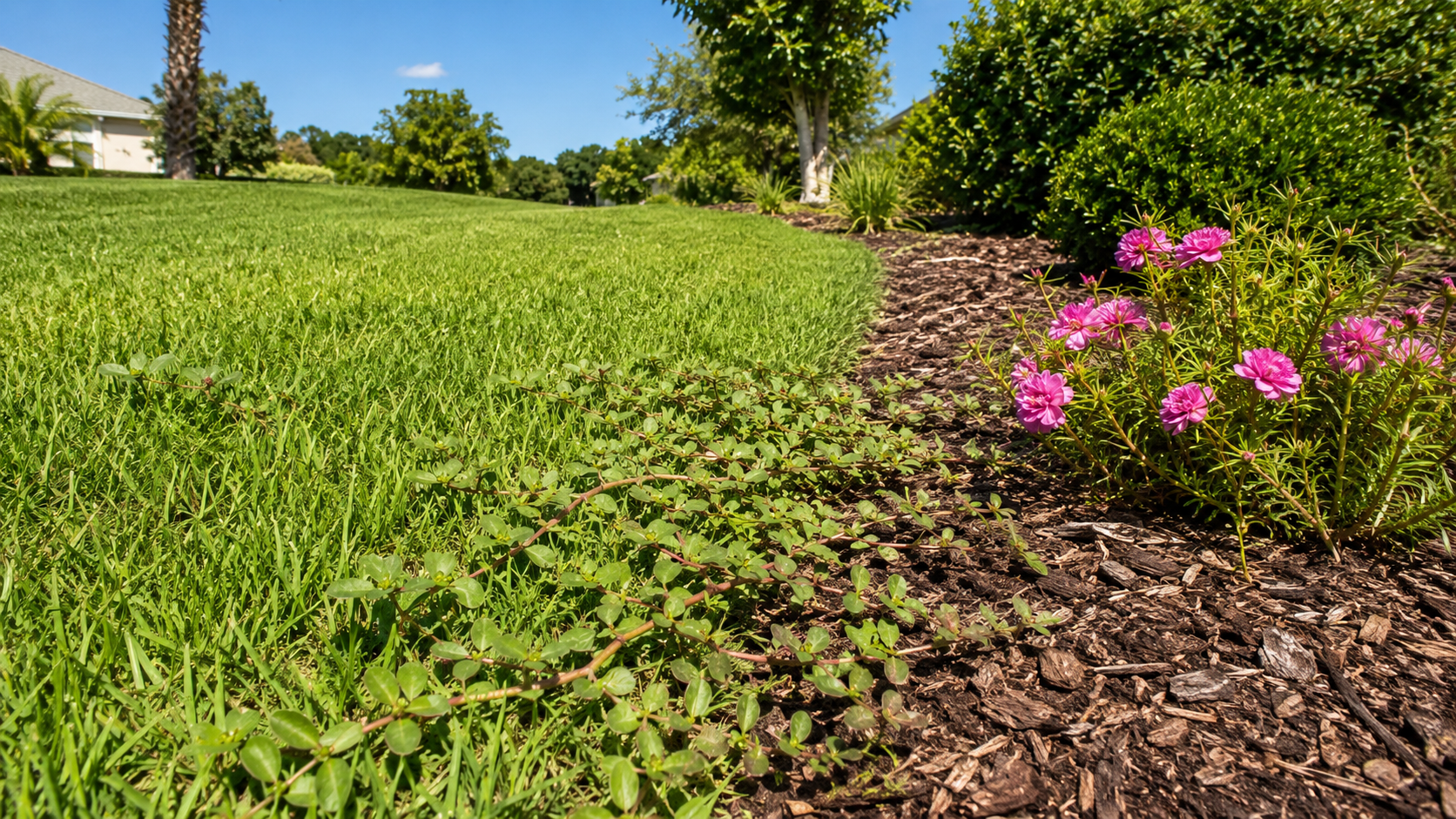
Purslane vs Portulaca: Is It a Weed or a Flower? (Guide)
June 17, 2026
Purslane is an invasive broadleaf weed with flat, teardrop-shaped succulent leaves and tiny yellow blooms that aggressively chokes out thin lawns. Portulaca, commonly called moss rose, is an intentional ornamental flower with needle-like, cylindrical leaves and large, brightly colored ruffled blooms. Purslane requires immediate removal to protect your turf, while portulaca safely stays confined to
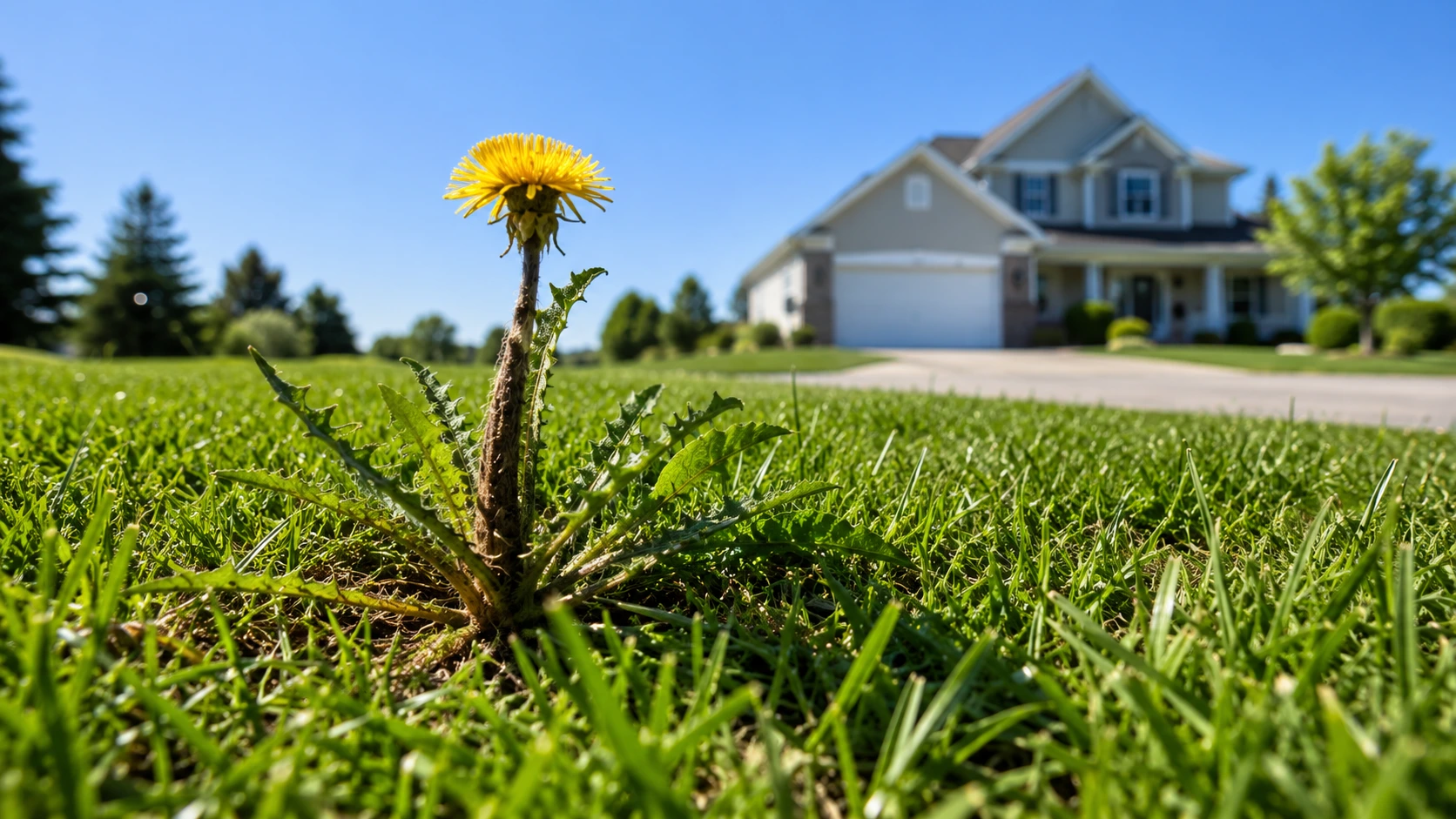
Flatweed vs Dandelion: How to ID and Kill Them Fast
June 16, 2026
Flatweed (Hypochaeris radicata) features heavily textured, hairy leaves and sends up multiple yellow flowers branching from a single solid stem. True dandelions (Taraxacum officinale) have completely smooth, deeply toothed leaves and produce only one flower per hollow, unbranched stem. Both are stubborn broadleaf perennials that produce identical puffball seed heads, and both require the same
Armyworms vs Grubs in Lawn: How to Identify & Stop the Damage
June 15, 2026
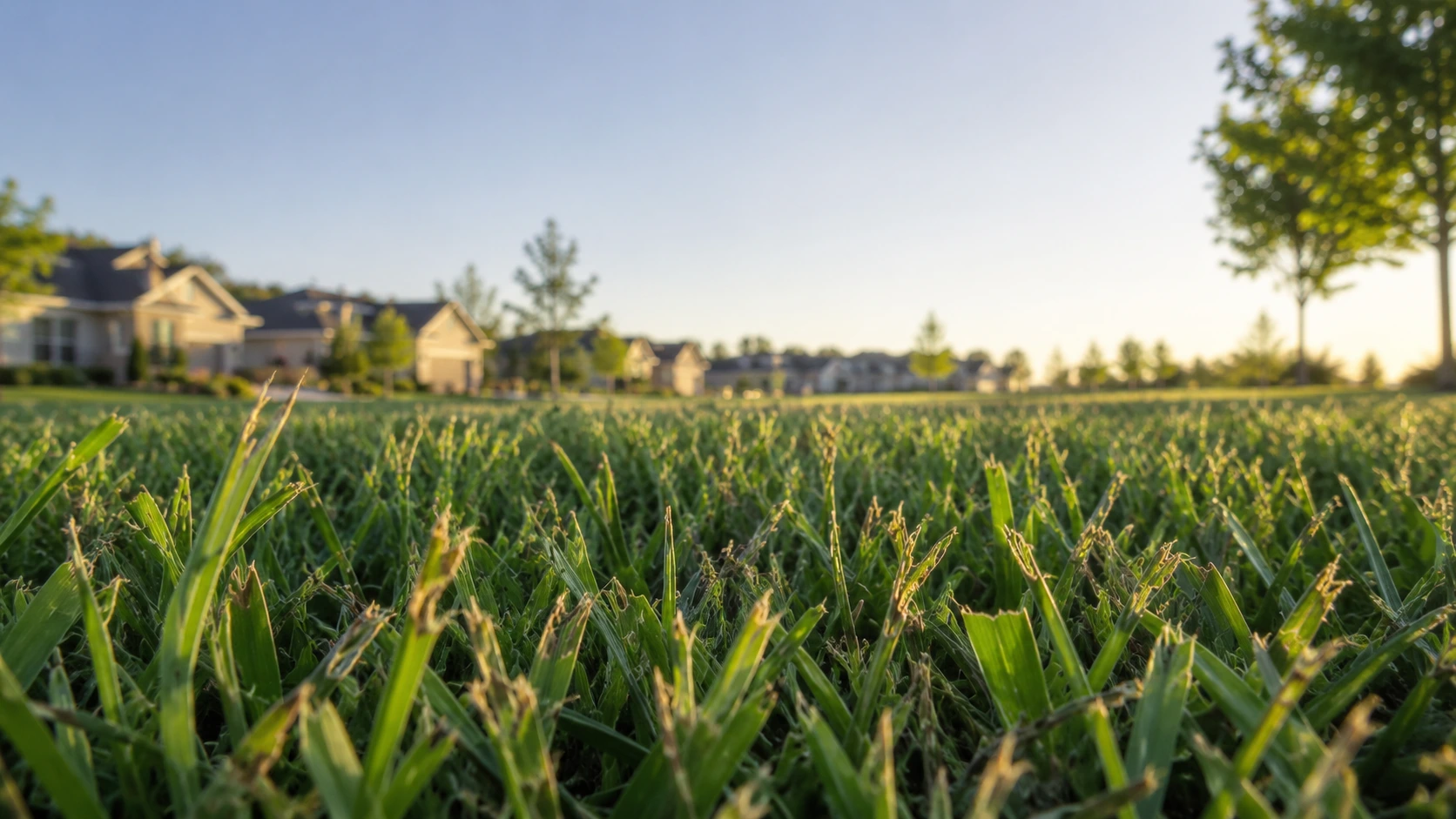
Armyworms feed above ground, chewing grass blades down to the dirt in a matter of days and leaving jagged edges. Grubs feed below ground, severing the roots so your turf rolls back like a loose carpet. If birds are pecking your dead turf, check the soil for white, C-shaped grubs or the surface for striped
What is Pre Emergence Herbicide? (Pro Application Guide)
June 14, 2026
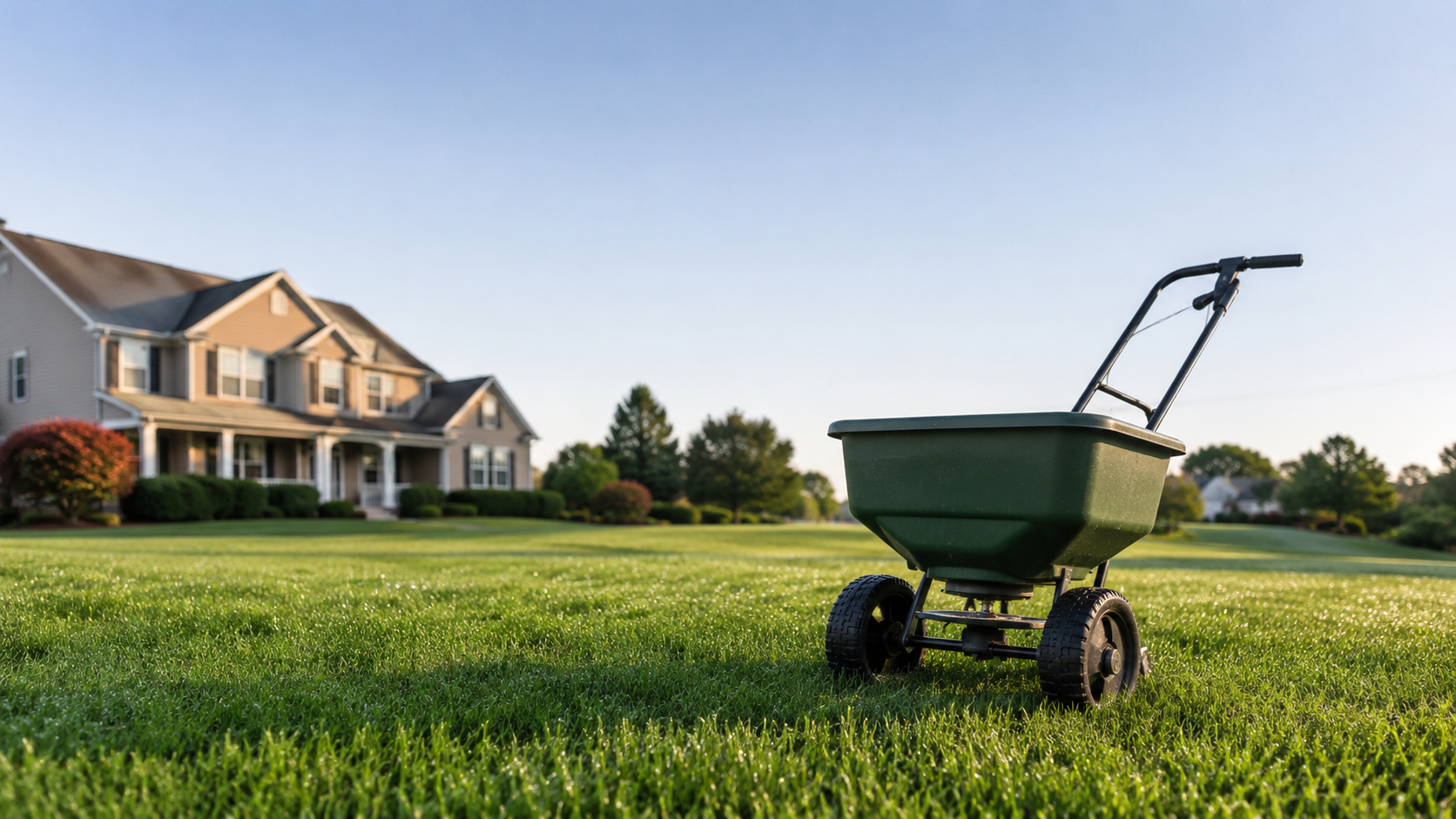
A pre-emergence herbicide is a chemical barrier applied to your lawn’s soil that stops weed seeds from successfully sprouting. It does not kill existing, visible weeds. Instead, active ingredients like Prodiamine or Dithiopyr halt cell division in the taproot as the seed germinates below ground. You must water the product in to activate this protective
Is Yellow Slime Mold Dangerous? What to Do About Dog Vomit Fungus
June 13, 2026
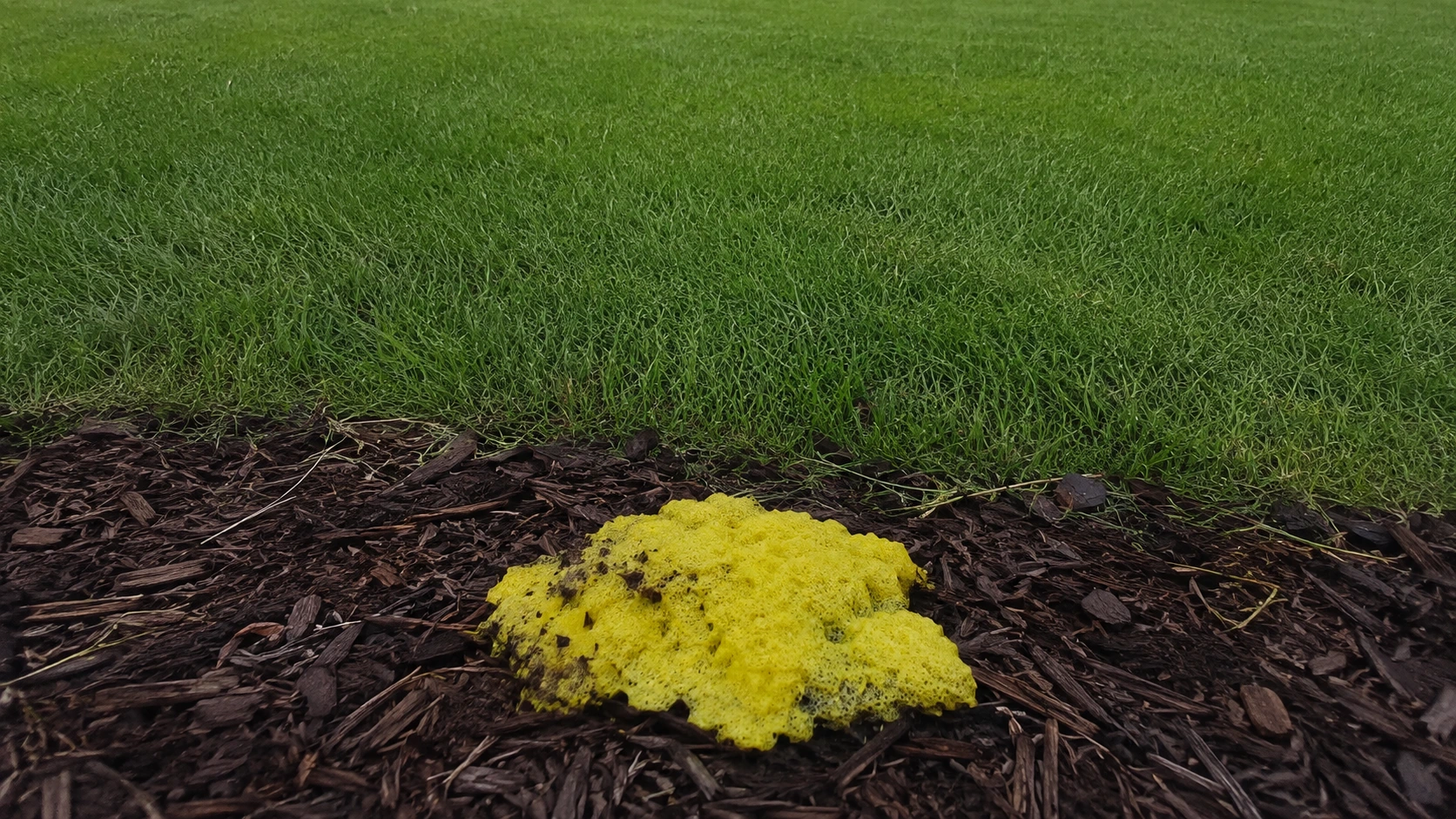
Is yellow slime mold dangerous? No, yellow slime mold is not dangerous to humans, pets, or your landscaping. Commonly known as dog vomit slime mold (Fuligo septica), this organism is completely harmless and non-toxic. It feeds strictly on decaying organic matter in your yard, never on living plant tissue. Identification Guide Spotting this organism is
Lawn Mower Won’t Start After Sitting All Winter? Fix It Fast
June 12, 2026
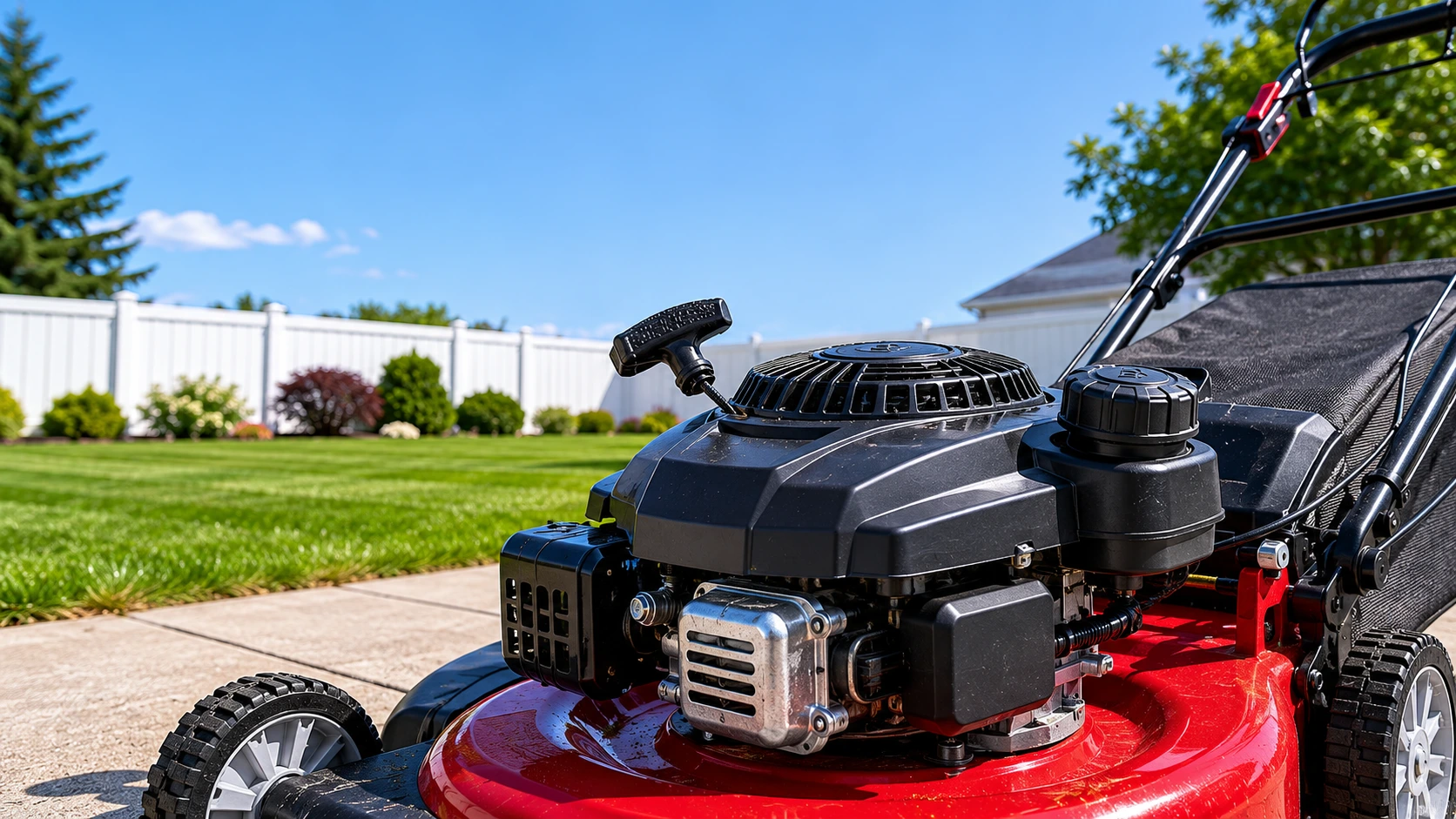
Your lawn mower won’t start after sitting all winter because stale gas has degraded and clogged the carburetor. Gasoline breaks down in as little as 30 days, leaving a varnish-like residue that blocks fuel flow. To fix it, you need to drain the old fuel, clean the carburetor bowl, replace the spark plug, and add
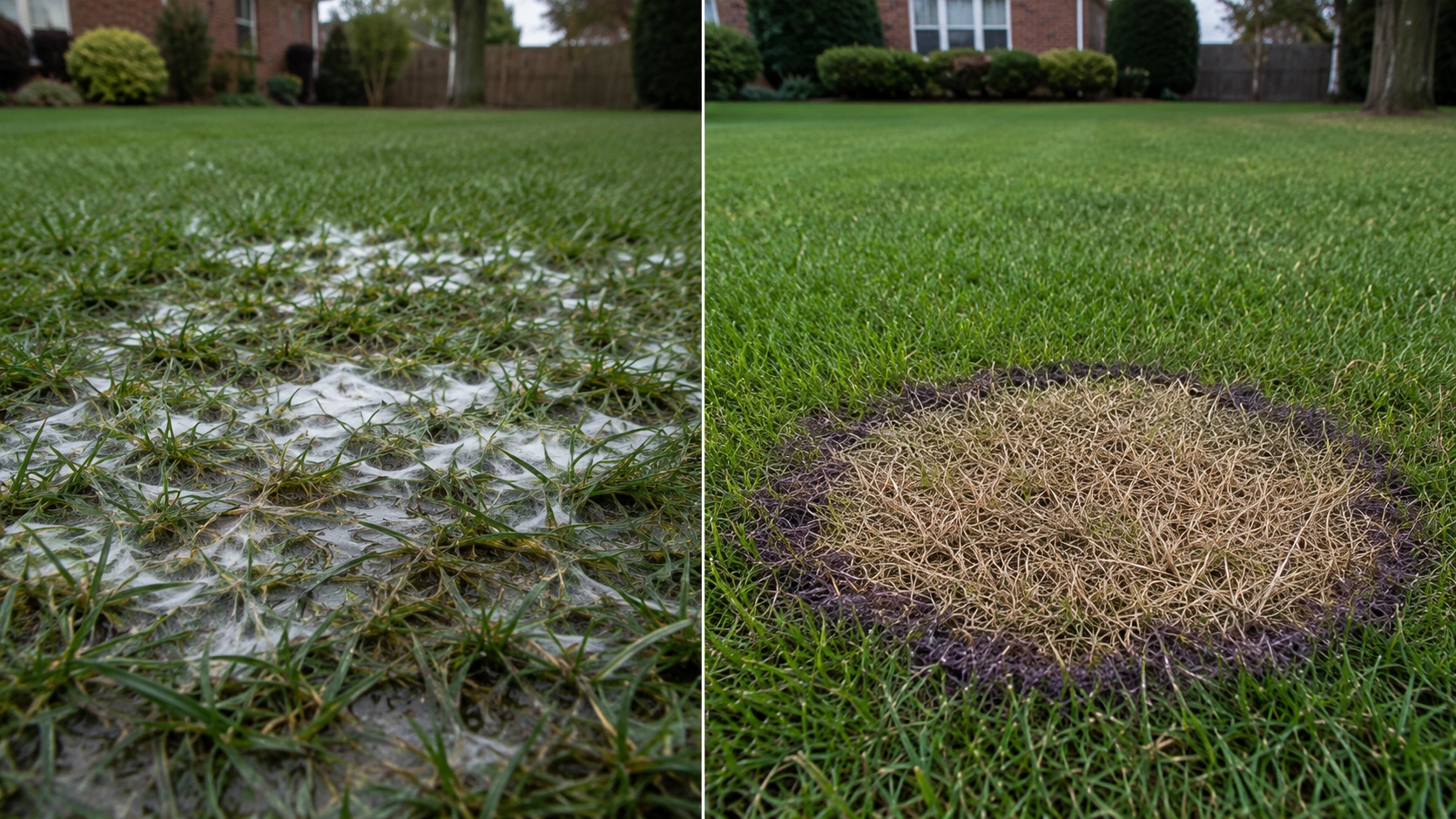
Pythium Blight vs Brown Patch: How to Spot & Stop Both
June 11, 2026
Pythium blight acts like a fast-moving wildfire, turning grass greasy, matted, and brown within 24 hours. Brown patch is slower, forming distinct circular patches with a dark, purplish “smoke ring” around the active edges. While brown patch damages the grass blades, pythium destroys the entire crown and root system. Both thrive in hot, humid weather,
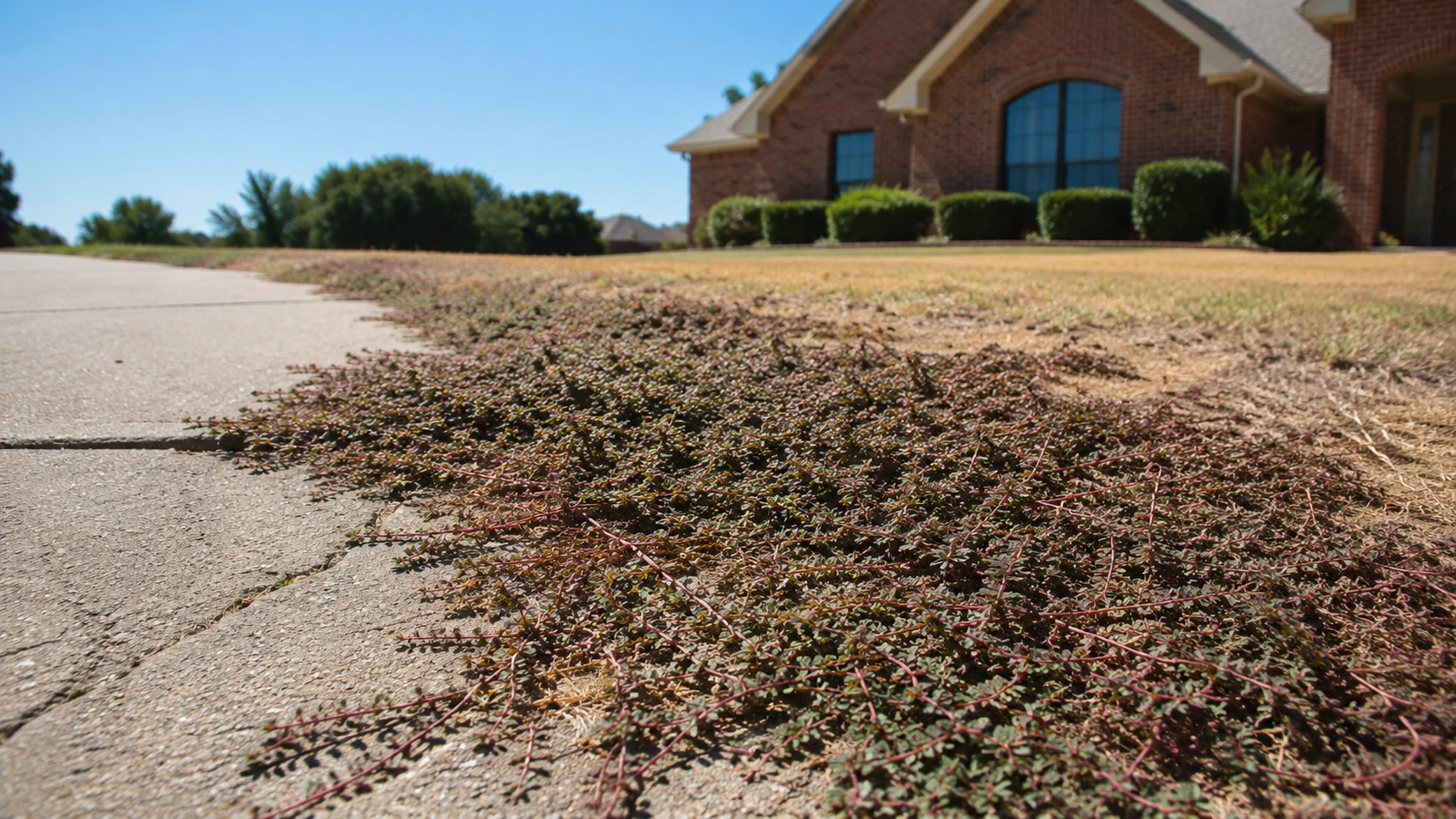
Spurge vs Purslane: How to Identify and Kill Them Fast
June 10, 2026
Break a stem in half. If a white, milky sap oozes out, you have spotted spurge. If the stem snaps clean and produces a clear, watery liquid, you are dealing with purslane. Both are low-growing, mat-forming summer annual weeds that thrive in bare patches, but they require slightly different eradication tactics to prevent them from