
About Us
Welcome to Yard Care Science. We bridge the gap between professional turf management and everyday DIY lawn care. Our mission is to provide homeowners with field-tested diagnostics, precise product recommendations, and science-backed solutions to eliminate pests, cure diseases, and build a resilient yard.
Lastest Posts
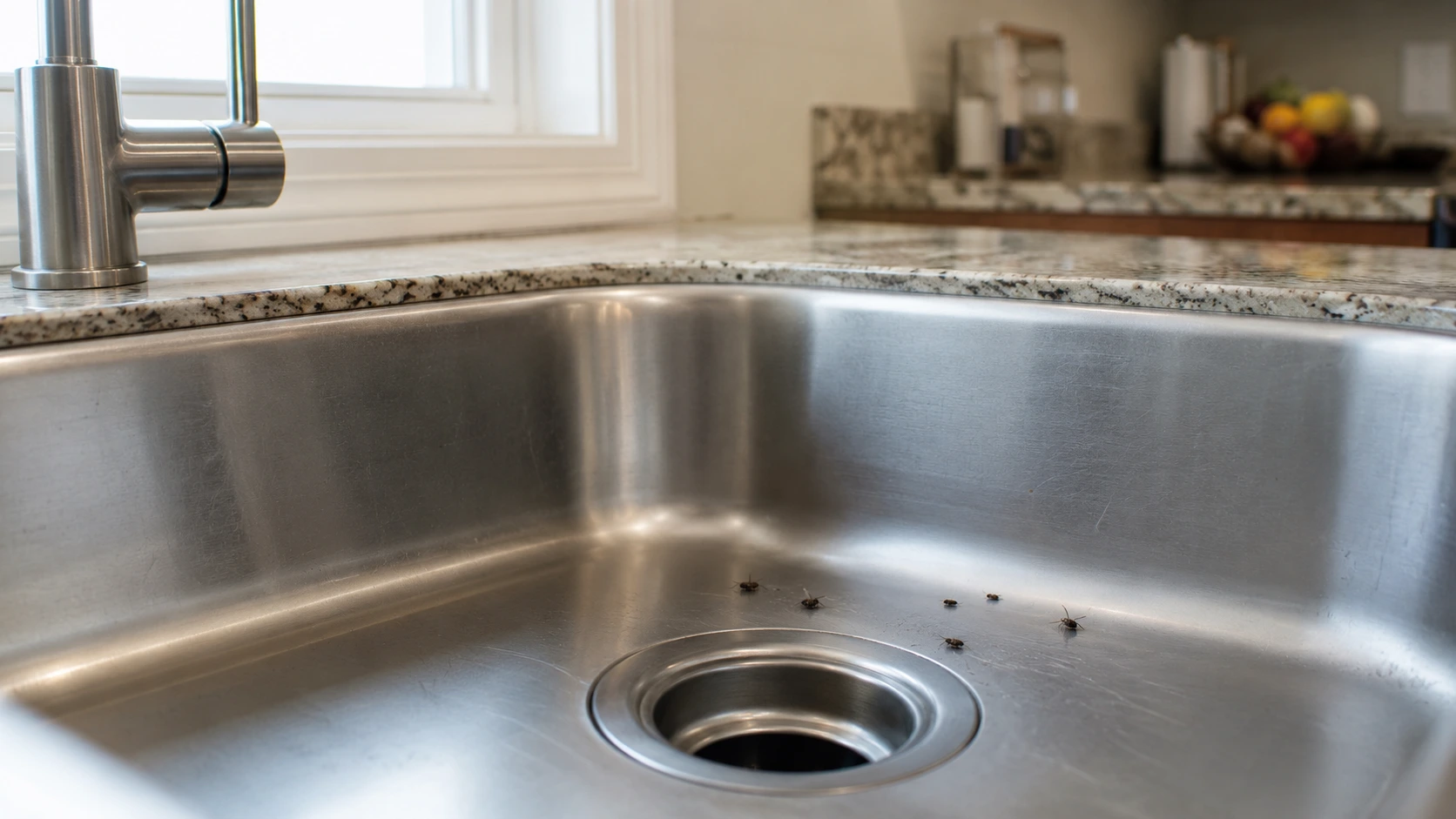
Drain Gnats vs Fruit Flies: Identify & Destroy Both Fast
June 9, 2026
Drain gnats are dark, fuzzy, moth-like insects that breed in the thick organic slime lining your plumbing pipes. Fruit flies are tan or light brown with distinct red eyes, and they lay their eggs on fermenting produce or sticky spills. Eradicate drain gnats using thick enzymatic drain cleaners, and eliminate fruit flies by removing overripe
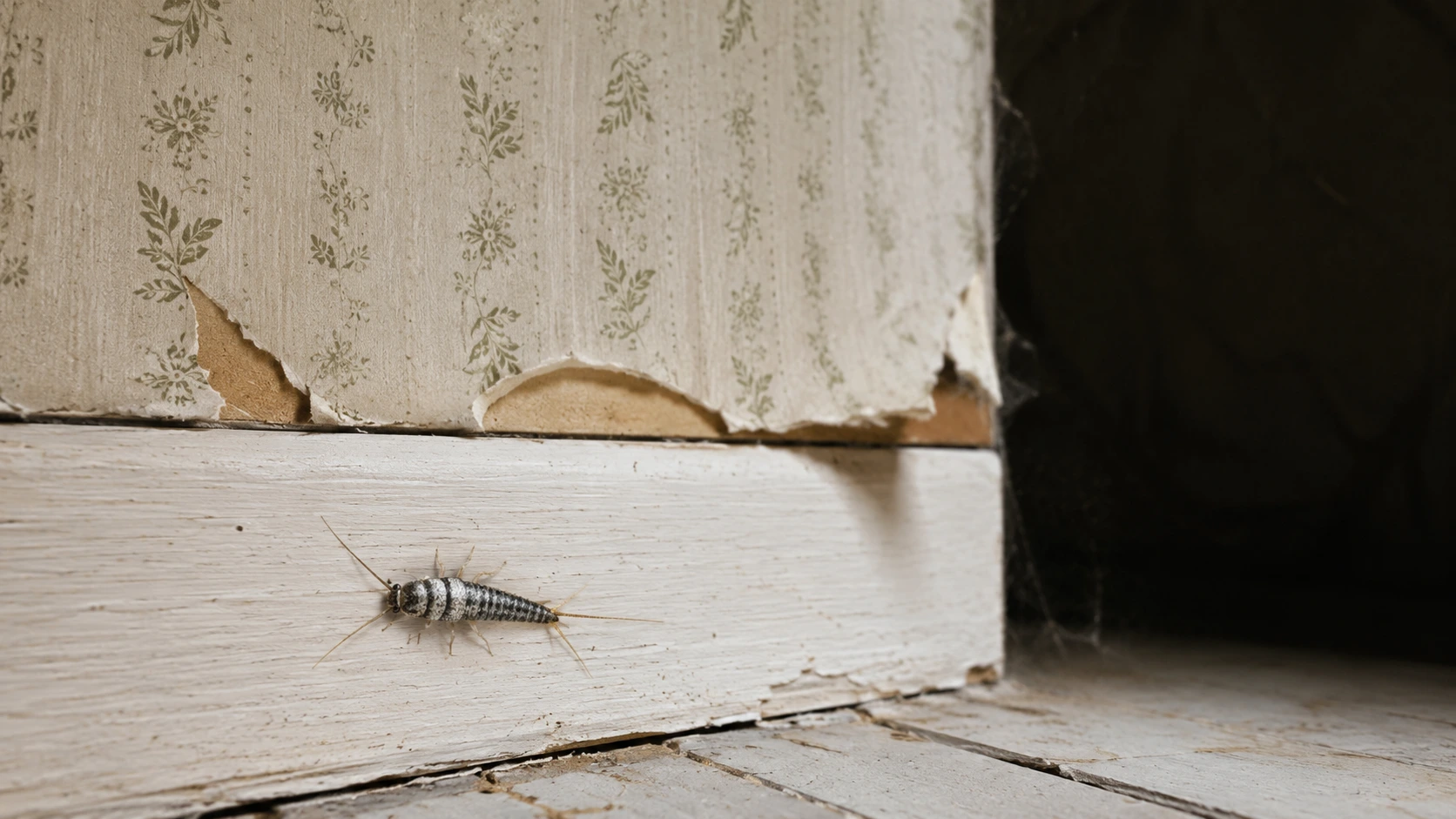
Are Silverfish Bugs Harmful? Damage, Risks & How to Kill Them
June 8, 2026
Silverfish are not directly harmful to humans or pets. They do not bite, sting, or carry infectious diseases. However, they are incredibly harmful to your property. These nocturnal pests feed on starches and carbohydrates, meaning they will permanently damage expensive books, family photographs, custom wallpaper, and natural clothing if left untreated in the damp areas
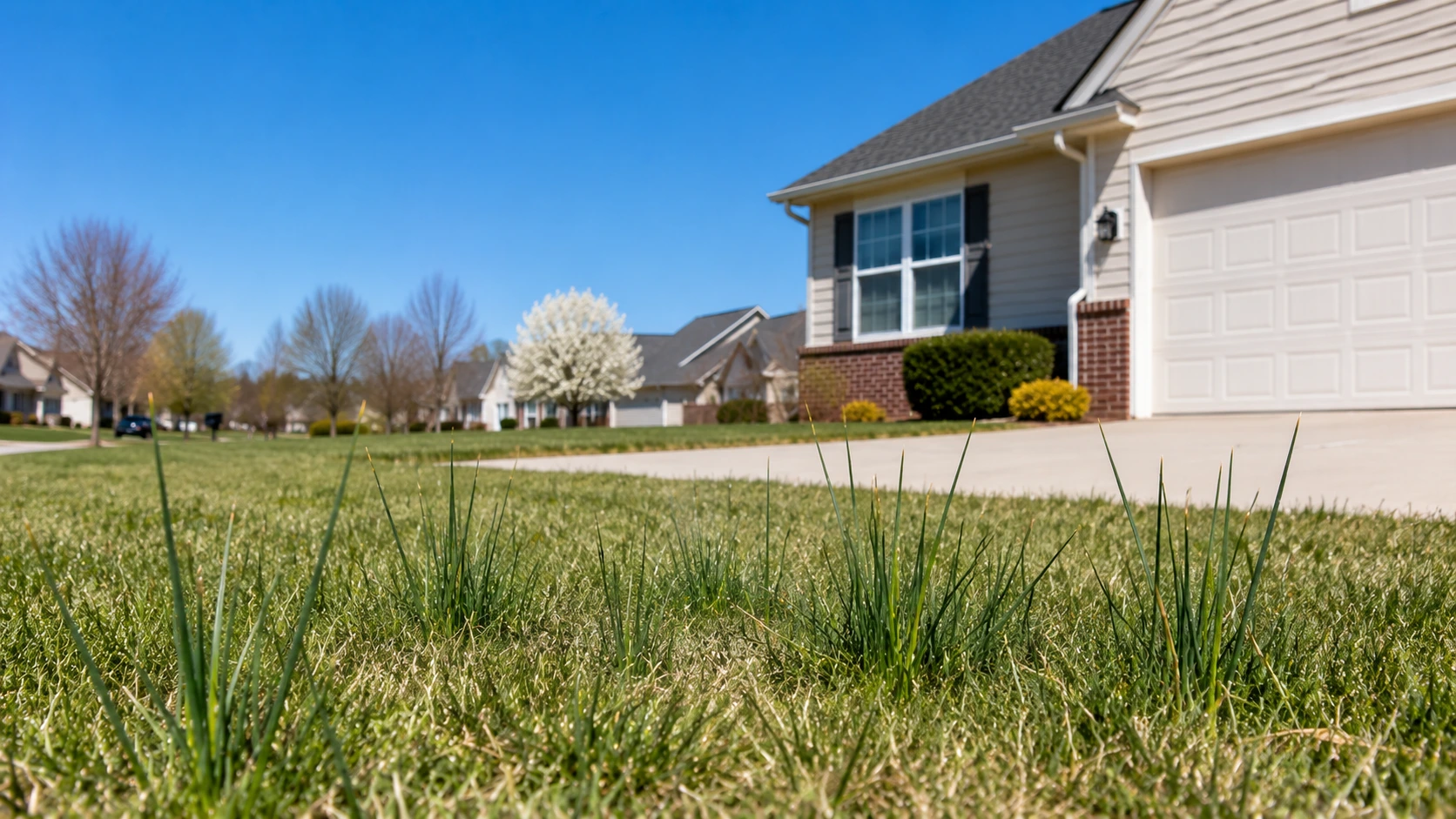
How to Kill Wild Onions Without Killing Grass (Pro Guide)
June 7, 2026
To kill wild onions without killing your grass, you need a selective post-emergent herbicide containing 2,4-D, Dicamba, and Mecoprop (MCPP), such as Ortho Weed B Gon. Because wild onions have a waxy coating, you must mix the herbicide with a non-ionic surfactant so the liquid sticks to the leaves. Spray during early spring when temperatures
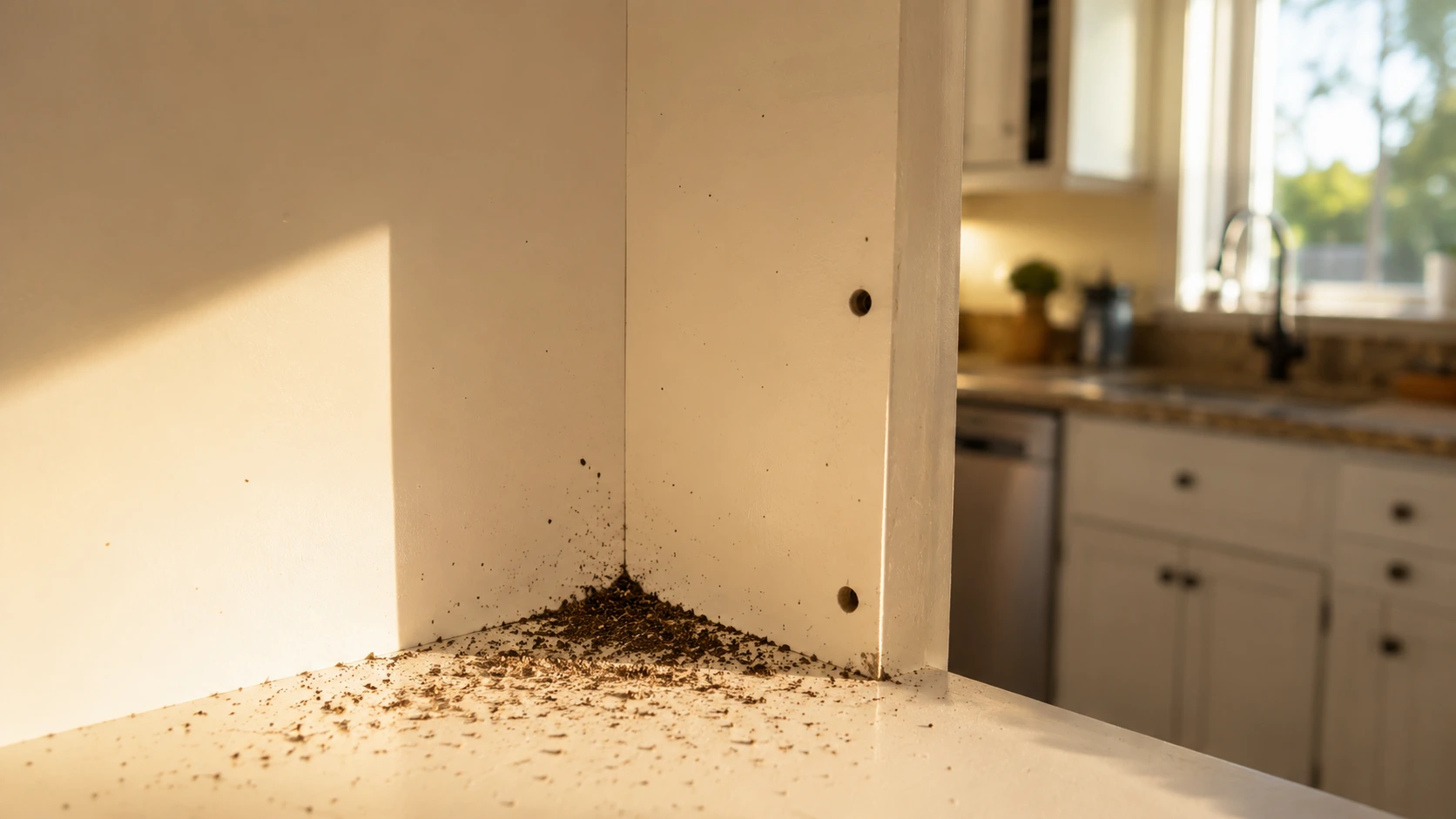
Is Cockroach Poop Toxic? Yes (How to Clean It Safely)
June 6, 2026
Yes, cockroach poop is highly toxic. It carries dangerous pathogens, including Salmonella and E. coli, which frequently lead to food poisoning and dysentery. Furthermore, the droppings contain specific proteins that act as potent allergens, directly triggering acute asthma attacks and severe allergic reactions. You must handle and clean these droppings with extreme caution. Identification Guide
Poison Ivy vs Virginia Creeper: Identification & Removal
June 5, 2026
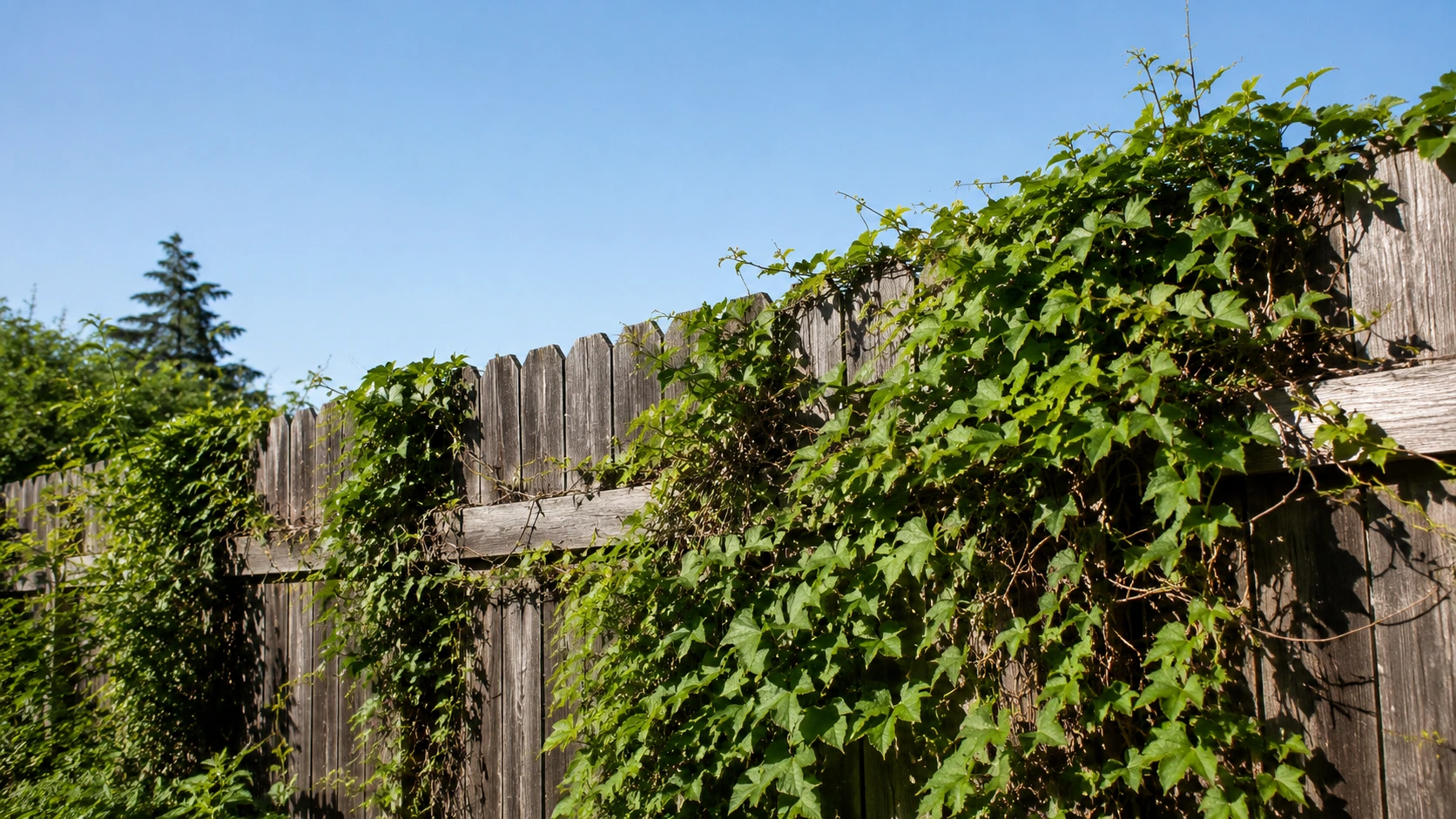
Virginia creeper has five distinct leaflets radiating from a central point and attaches to surfaces using small adhesive pads. Poison ivy always has three leaves and climbs tree trunks using thick, hairy aerial roots. While Virginia creeper is a harmless native vine, poison ivy contains urushiol, an oil that causes severe allergic reactions upon contact.
Is Garden Lime Safe for Dogs? Lawn Safety Guide & Wait Times
June 4, 2026
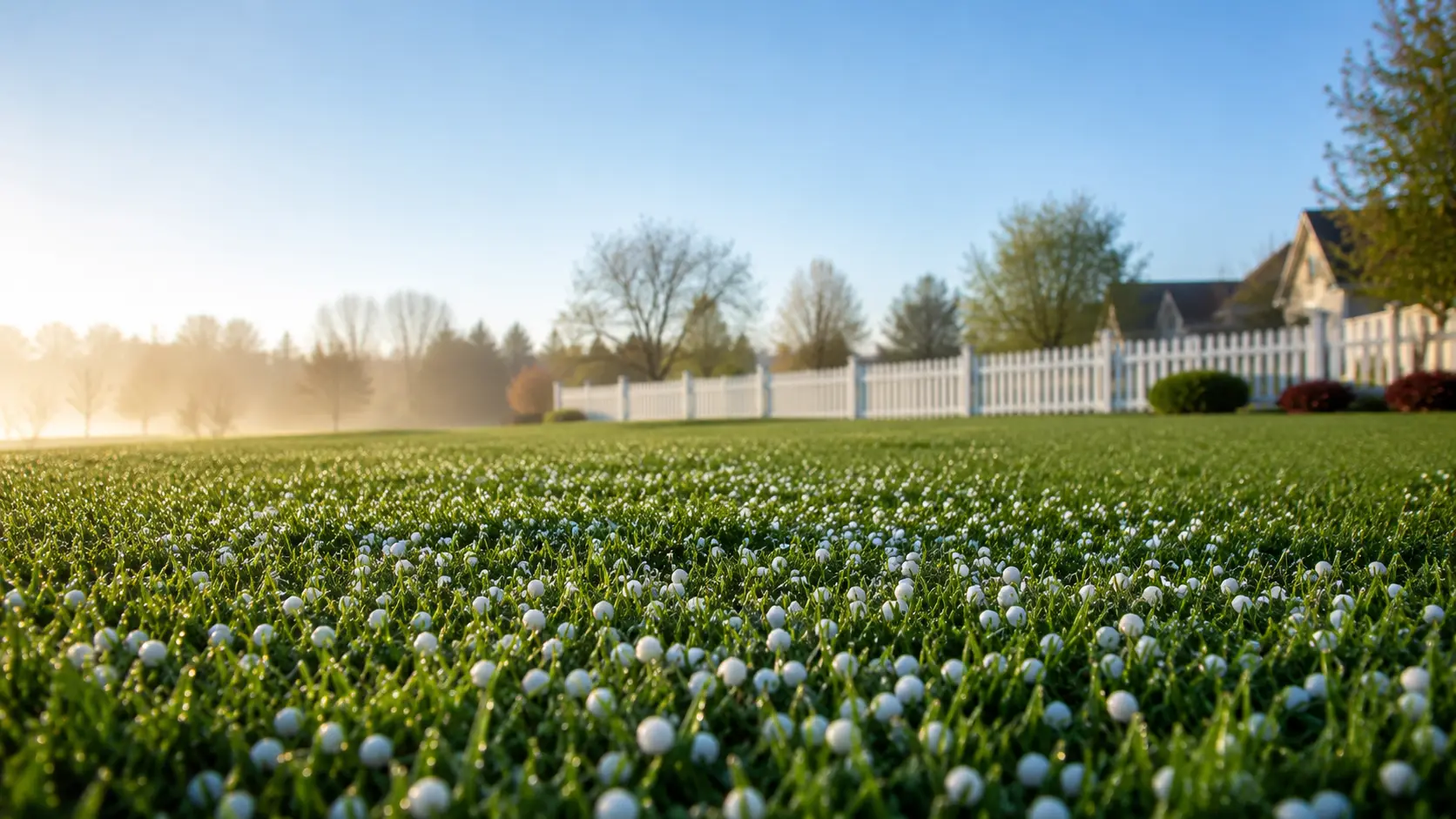
Yes, garden lime is safe for dogs, provided you use the correct type. Pelletized agricultural lime (calcium carbonate) or dolomitic lime will not harm your pets. However, hydrated or “burn” lime (calcium hydroxide) is highly caustic and will cause severe chemical burns to paws and skin. Always water the yard heavily and keep dogs off
Milorganite vs Ironite: Specs, Cost & Which Greens Faster
June 3, 2026
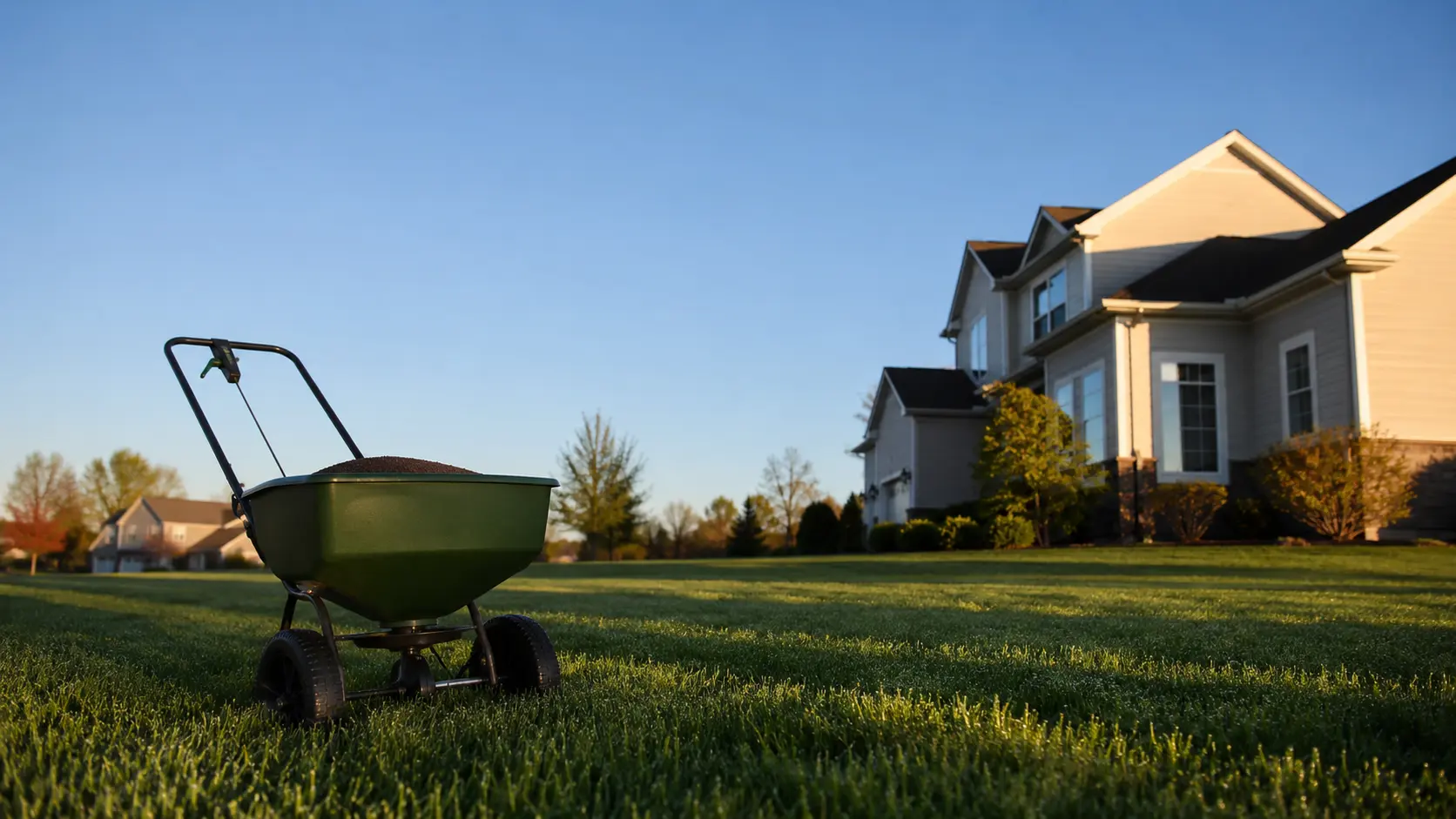
Milorganite is a slow-release, organic nitrogen fertilizer that feeds soil microbes and promotes steady grass growth over 8 to 10 weeks. Ironite is a fast-acting mineral supplement delivering a quick dose of iron to turn yellowing lawns deep green in days without triggering rapid growth. Choose Milorganite for foundational long-term turf health and Ironite for
Dandelion vs Hawksbeard: How to Identify and Kill Both
June 2, 2026
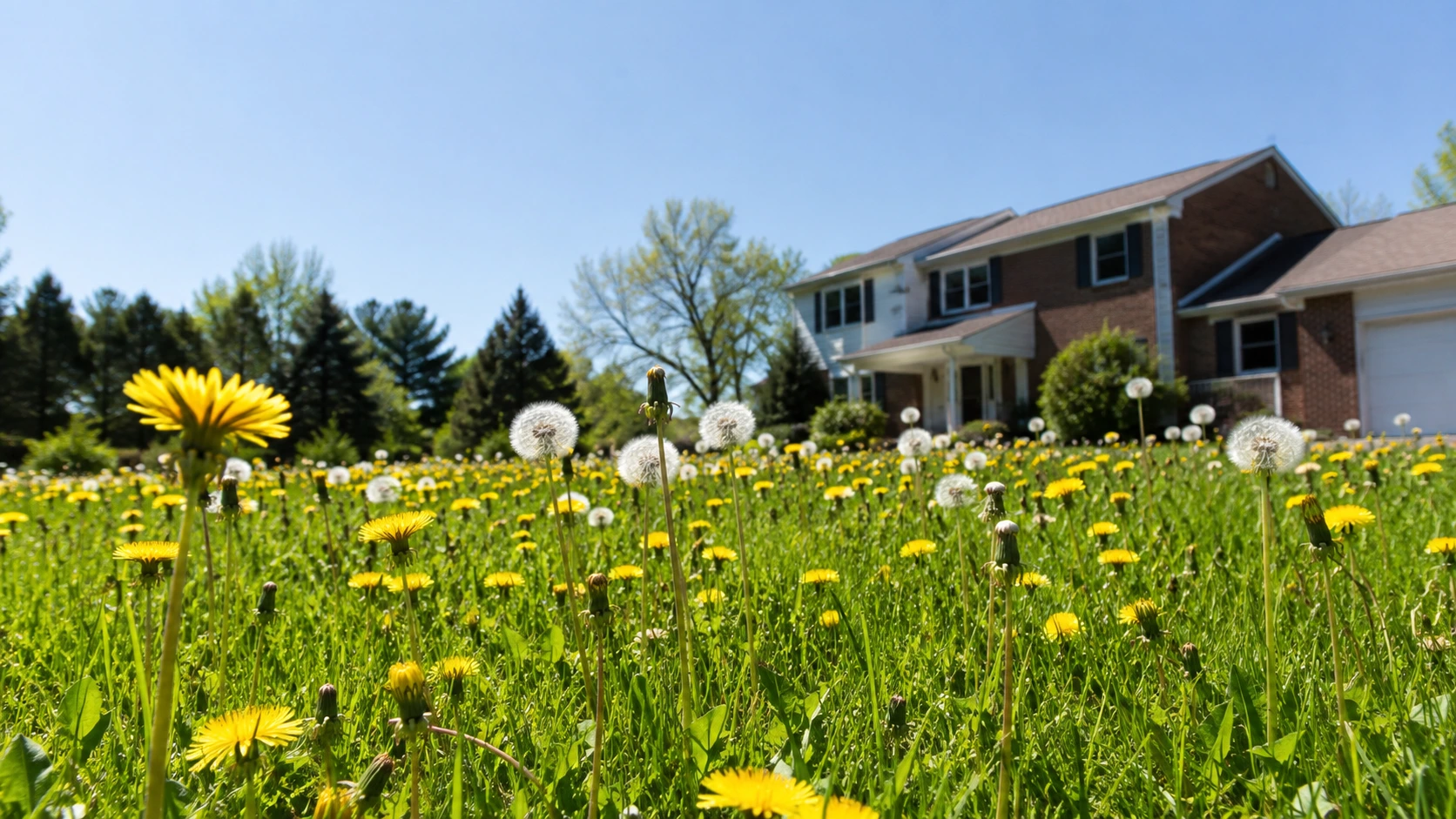
Dandelion and hawksbeard are broadleaf weeds that produce similar yellow flowers and fluffy seed heads, but their stems give them away. Dandelions have a single, hollow, unbranched stem with one flower and grow close to the ground. Hawksbeard features solid, highly branched stems that support multiple flowers per plant and grow significantly taller. Both require
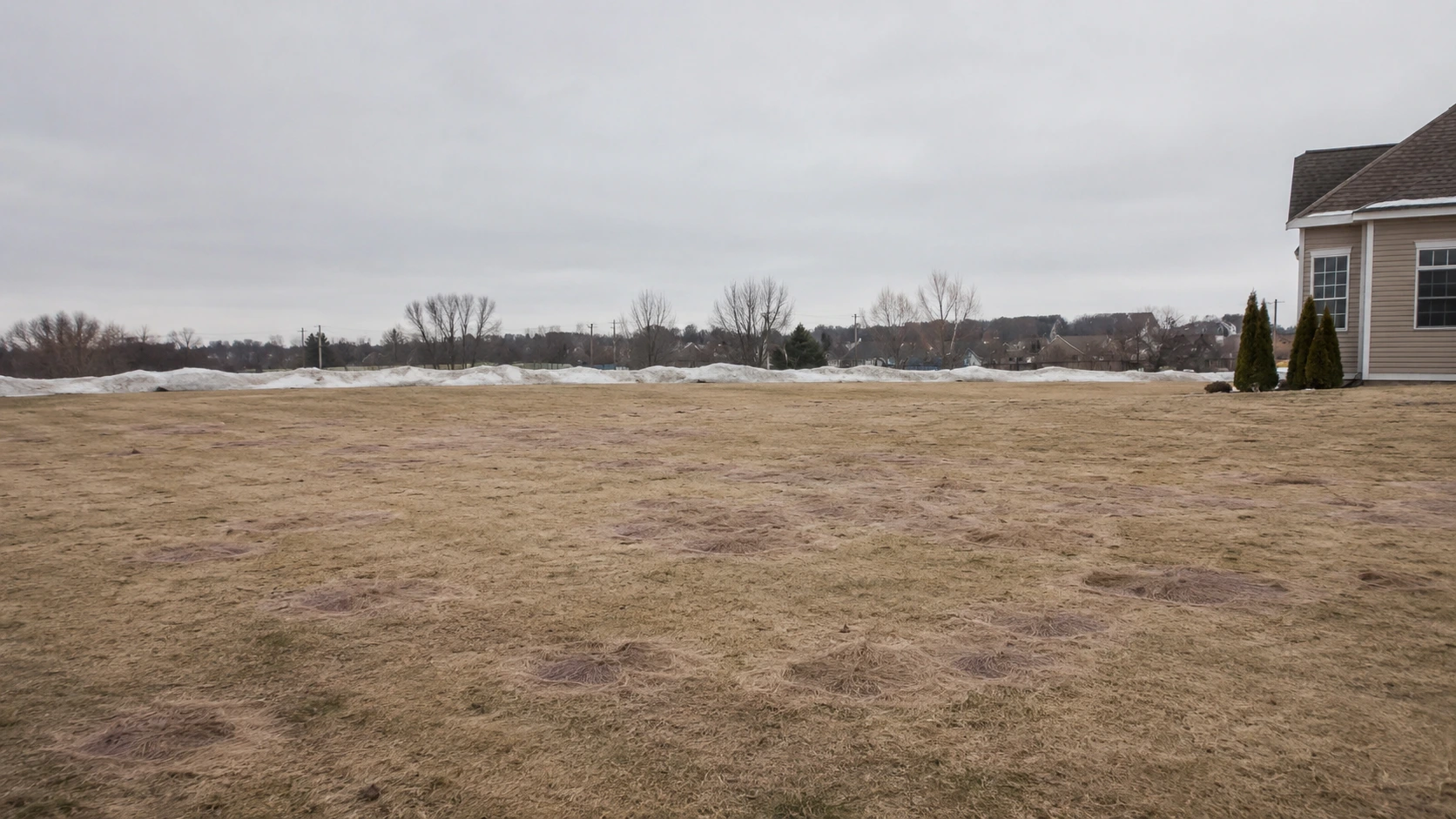
Snow Mold in Grass: Identification, Treatment, and Prevention
June 1, 2026
Snow mold is a cold-weather fungal disease that attacks turf under extended snow cover. It appears as matted, circular patches of white, gray, or pinkish webbing as the snow melts in late winter or early spring. Most cases are cosmetic and recover fully once the turf dries out, but severe infections can kill the grass
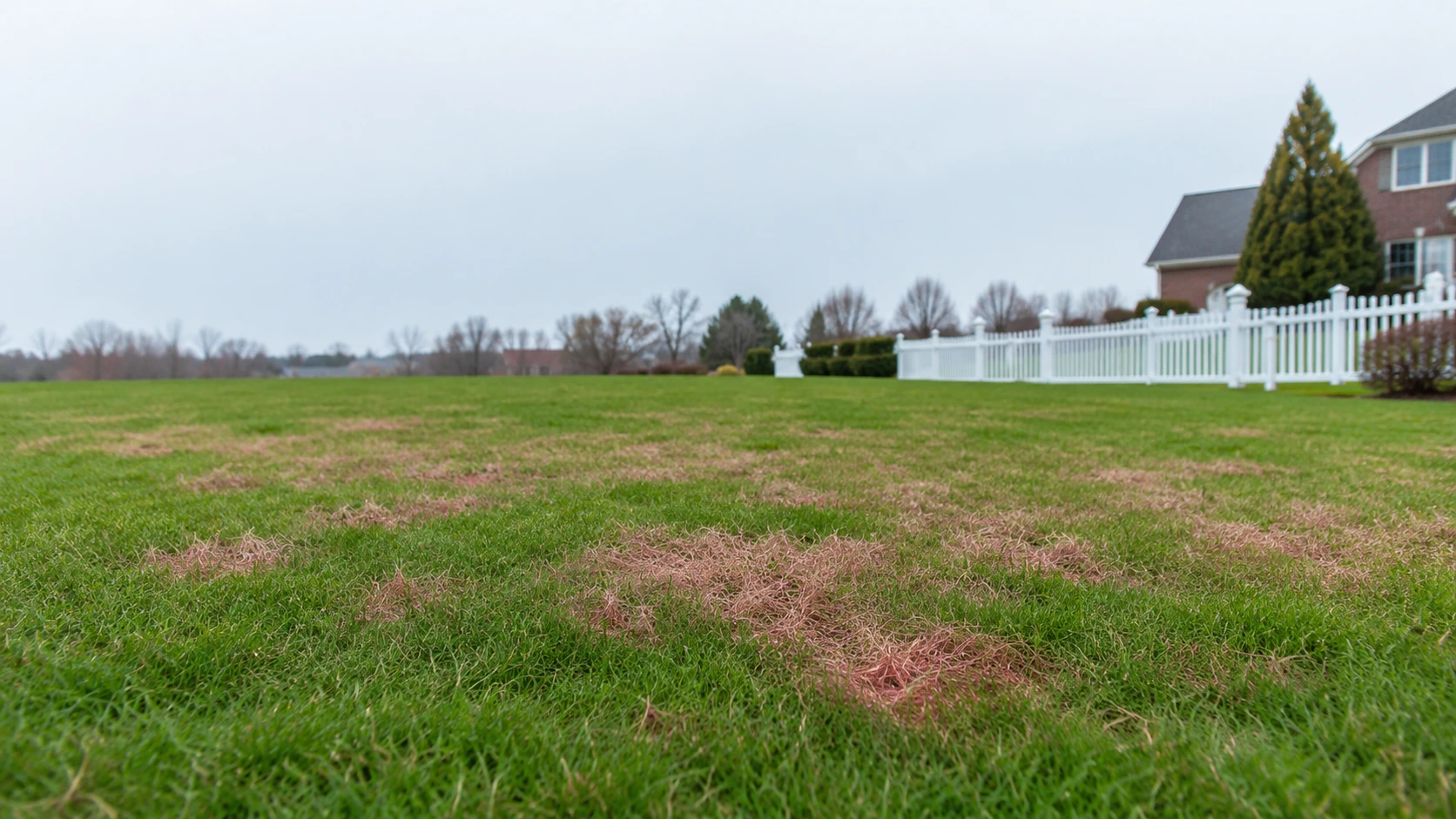
Red Thread Fungicide: Best Treatments & DIY Cures
May 31, 2026
Red thread is a lawn fungus thriving in cool, wet weather, primarily targeting under-fertilized cool-season grasses. The fastest cure is often a fast-release nitrogen fertilizer. If the infection is severe, the most effective red thread fungicides contain Propiconazole or Azoxystrobin. Apply these systemic treatments via a liquid spray for rapid absorption and disease suppression. Identification