
About Us
Welcome to Yard Care Science. We bridge the gap between professional turf management and everyday DIY lawn care. Our mission is to provide homeowners with field-tested diagnostics, precise product recommendations, and science-backed solutions to eliminate pests, cure diseases, and build a resilient yard.
Lastest Posts
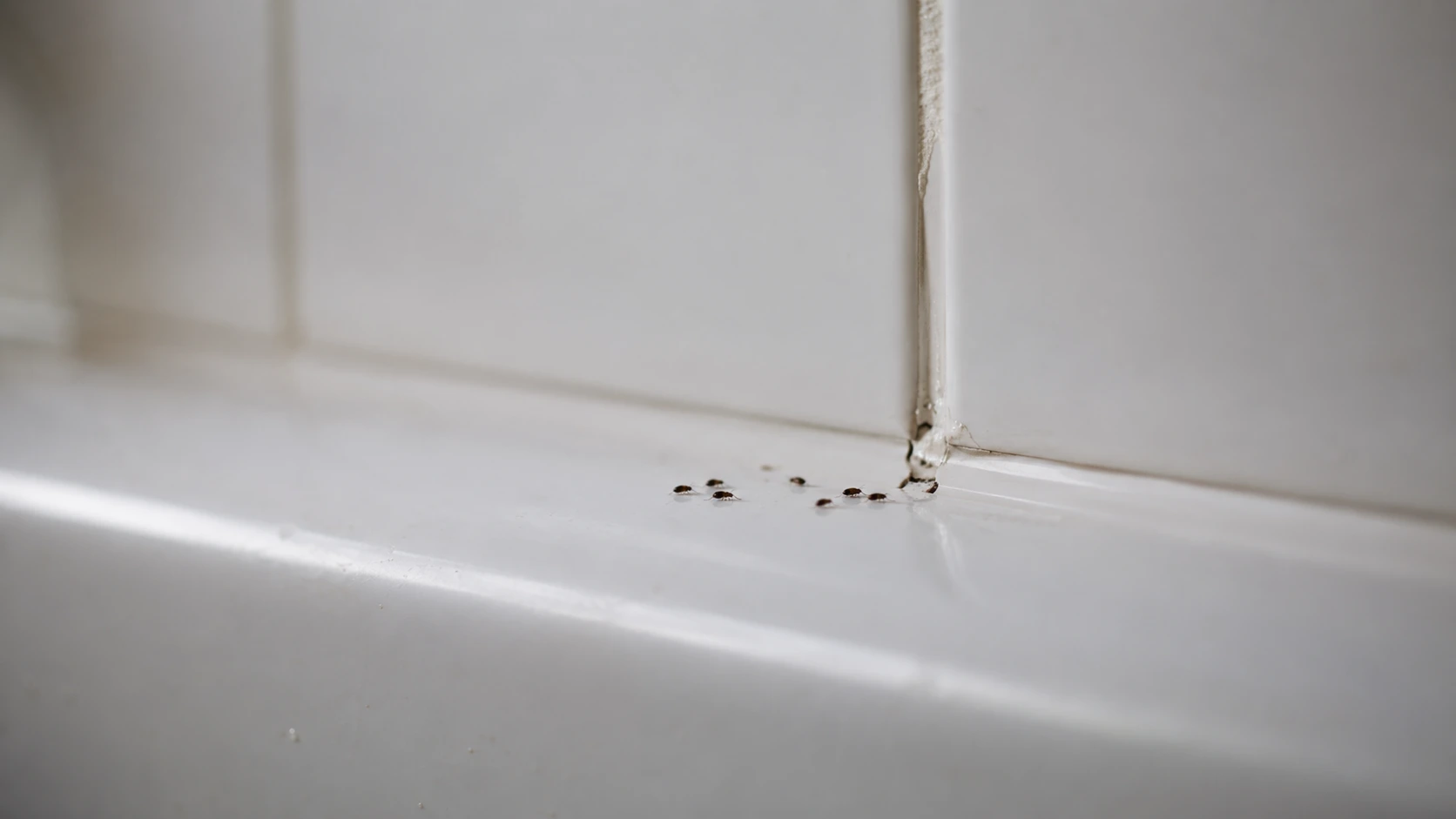
Tiny Black Bugs in Bathroom With No Wings? How to Fix It
May 30, 2026
Those tiny black bugs in your bathroom with no wings are almost certainly springtails (Collembola). They measure about 1/16 of an inch long, look like flecks of black pepper, and jump when disturbed. They do not bite or carry diseases. Springtails invade bathrooms seeking high humidity and feed on microscopic mold growing in damp grout,
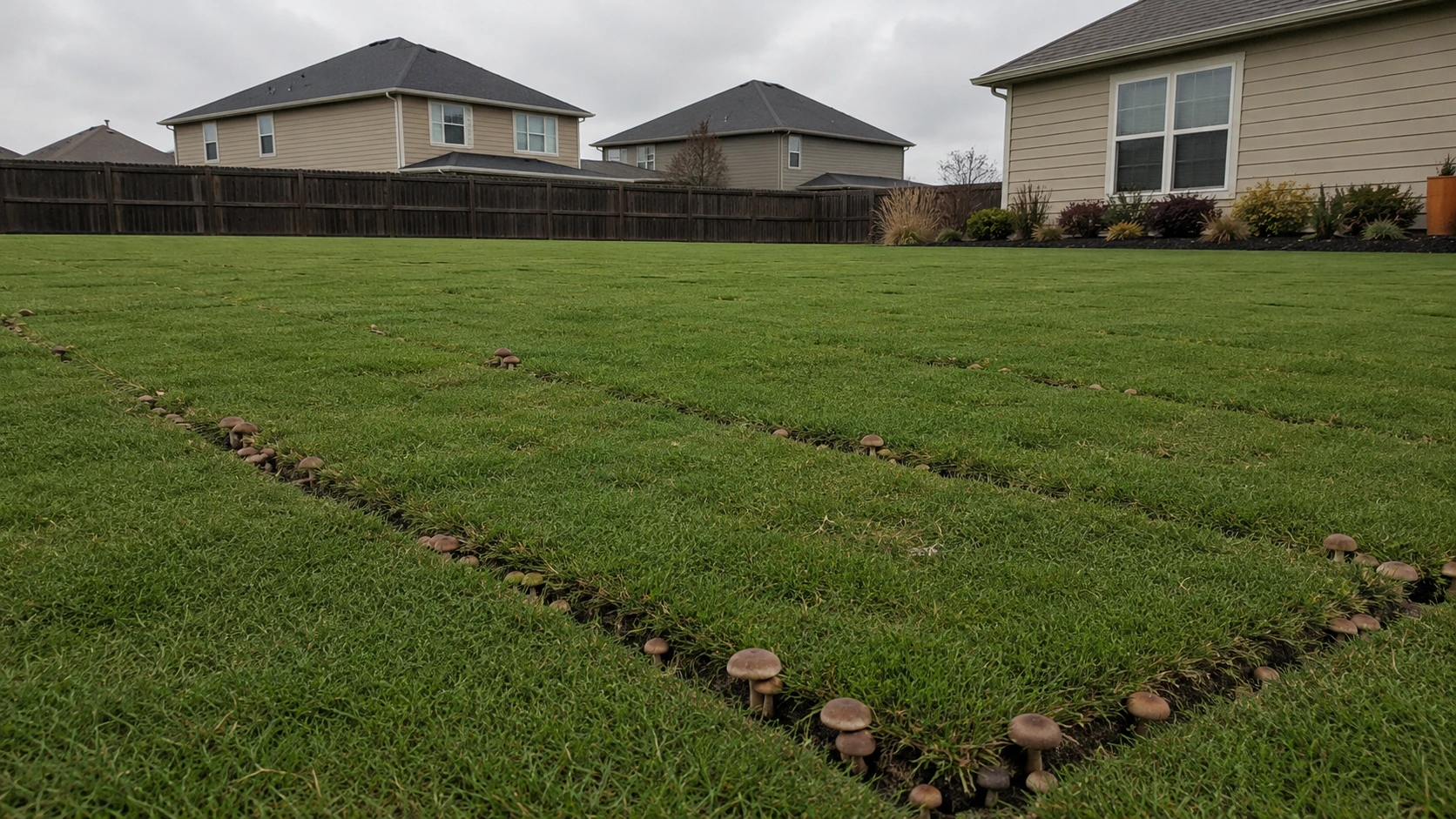
Mushrooms Growing in New Sod? What to Do (And Not Do)
May 29, 2026
Mushrooms growing in new sod are harmless and actually signal a healthy, active soil ecosystem. Your new lawn requires heavy watering to establish roots, creating the perfect damp environment for the organic fungi already present in the sod’s compost layer to fruit. Do not apply fungicides. Simply kick them over, mow them, or let the
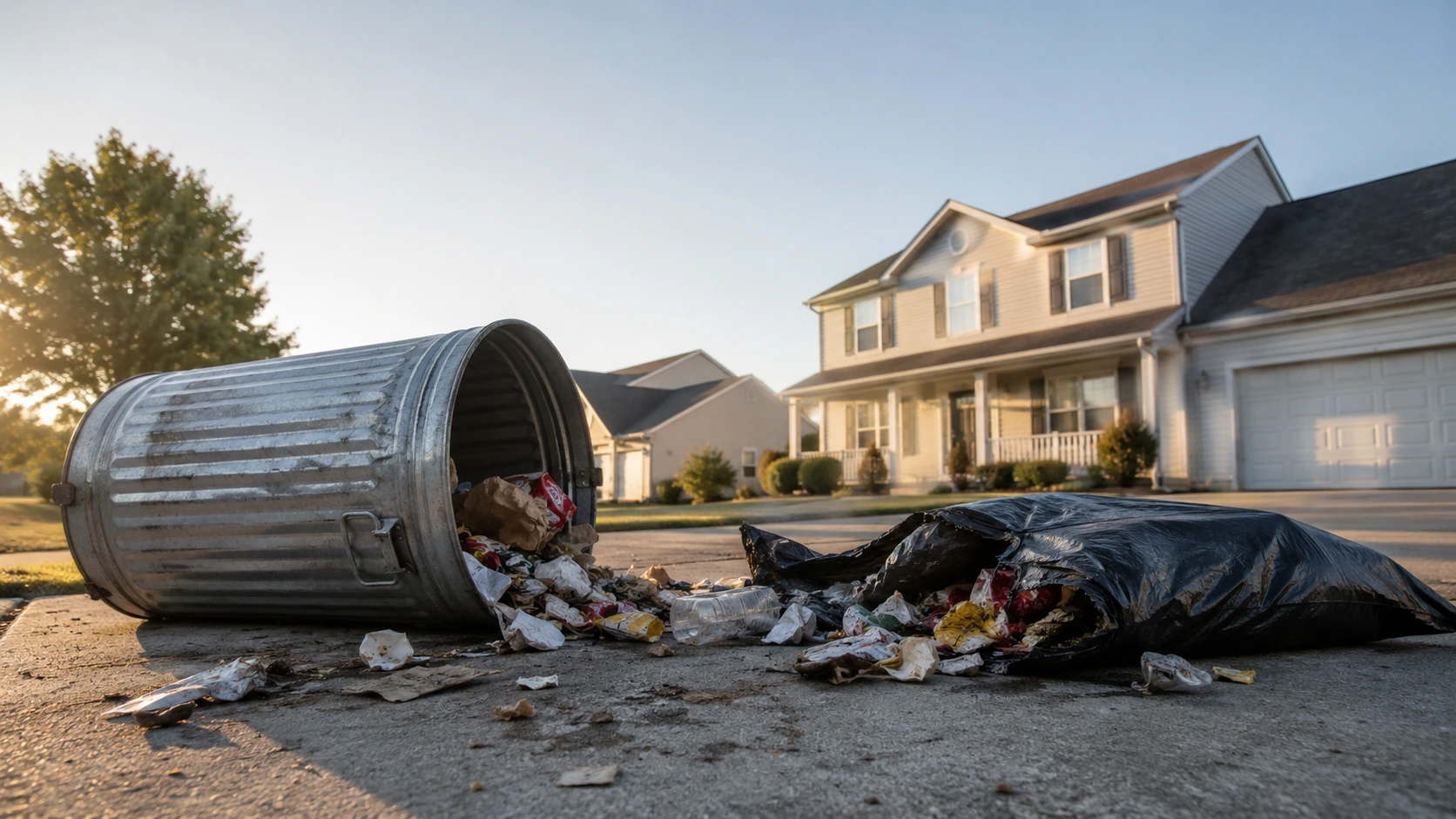
What Smell Do Raccoons Hate The Most? (Fast DIY Repellents)
May 28, 2026
Raccoons absolutely hate the sharp, burning scents of ammonia, peppermint oil, and cayenne pepper. Because they rely heavily on their sensitive noses to forage for food, these intense odors overwhelm their olfactory receptors. Placing ammonia-soaked rags near trash cans or spraying a concentrated peppermint oil solution around your deck creates an invisible, highly irritating barrier
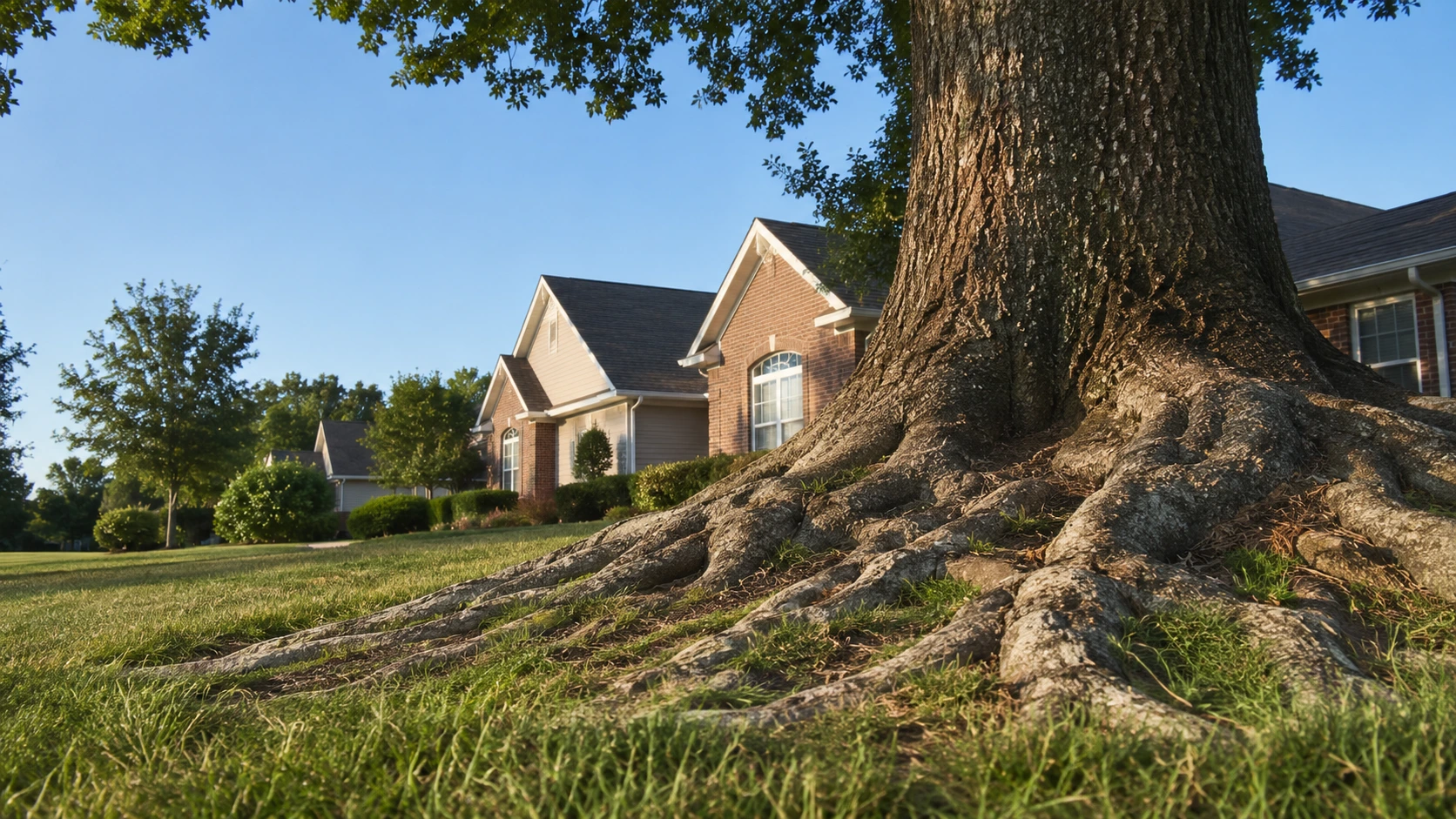
What to Do With Tree Roots Above Ground (Safe Solutions)
May 27, 2026
Covering exposed tree roots with 2 to 3 inches of organic mulch is the safest and most effective solution. Cutting surface roots destabilizes mature trees and creates entry points for disease. If you cannot use mulch, planting shade-tolerant ground cover is the best alternative. Never bury exposed roots under thick layers of topsoil. Identification Guide
Do Termites Have Wings? Yes. Here’s How to Spot Them.
May 26, 2026
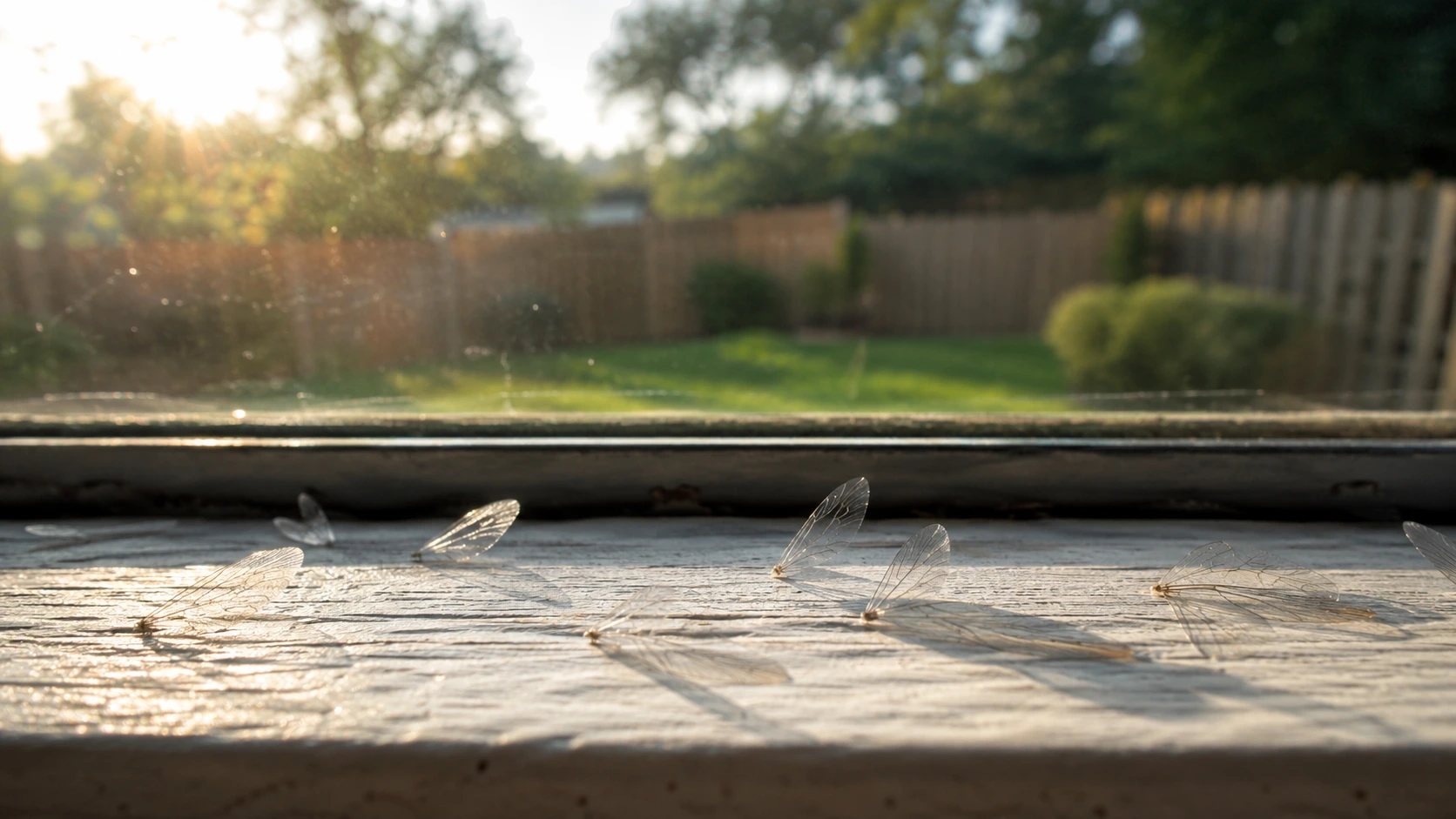
Yes, termites have wings at a specific stage in their life cycle. These flying termites, called swarmers or alates, emerge from mature colonies to mate and start new nests. Finding flying termites or their discarded wings inside your house means an active, mature colony of at least three to five years old is already feeding
How to Drain Standing Water From Your Yard (DIY Solutions)
May 25, 2026
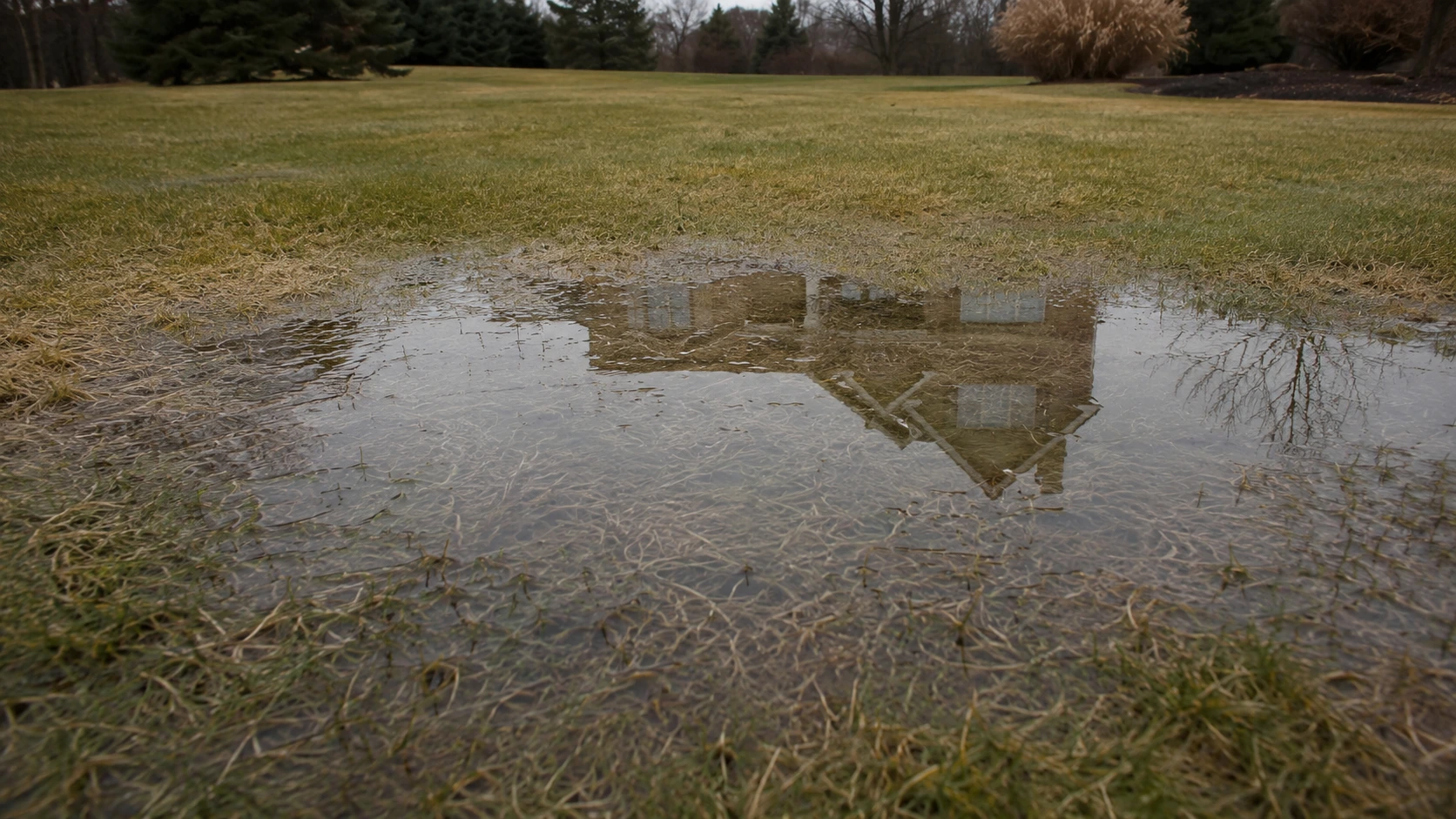
To drain standing water from your yard, you must identify the primary low spot and force the water elsewhere using gravity. For minor surface pooling, aerating the turf and applying topdressing often restores absorption. For severe flooding, you need to dig a trench, install a catch basin or a French drain lined with landscape fabric,
How to Get Rid of Voles Quickly (Pro Trapping & Baiting Guide)
May 24, 2026
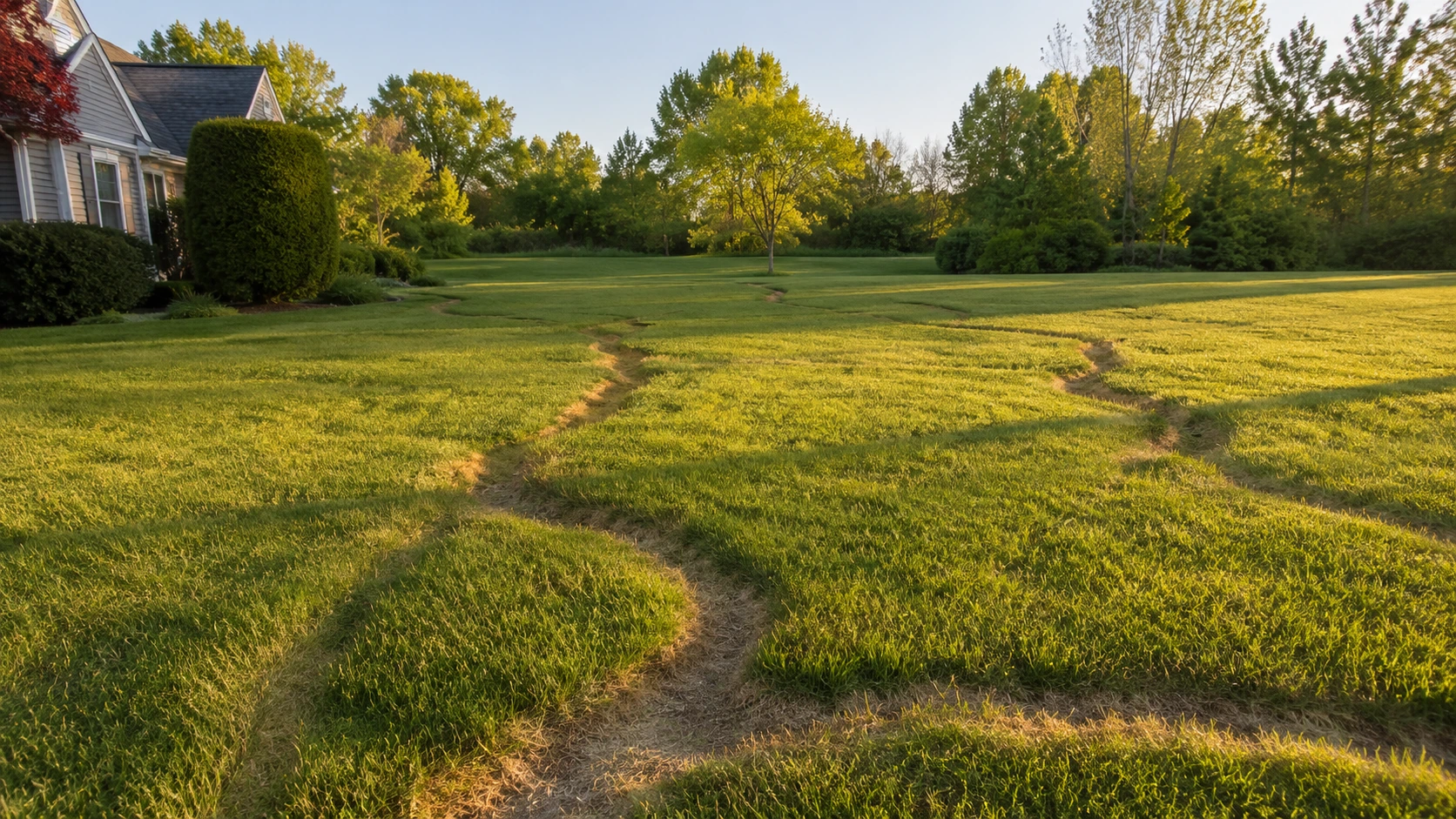
Stop wasting time with sonic spikes and homemade pepper sprays. To get rid of voles quickly, you must combine immediate lethal trapping in their active runways with targeted rodenticide baits inside tamper-proof stations. Reduce your lawn’s thatch layer and clear dense mulch away from tree trunks to remove their cover. Voles reproduce every 21 days;
French Drain vs Catch Basin: Which Does Your Yard Need?
May 23, 2026
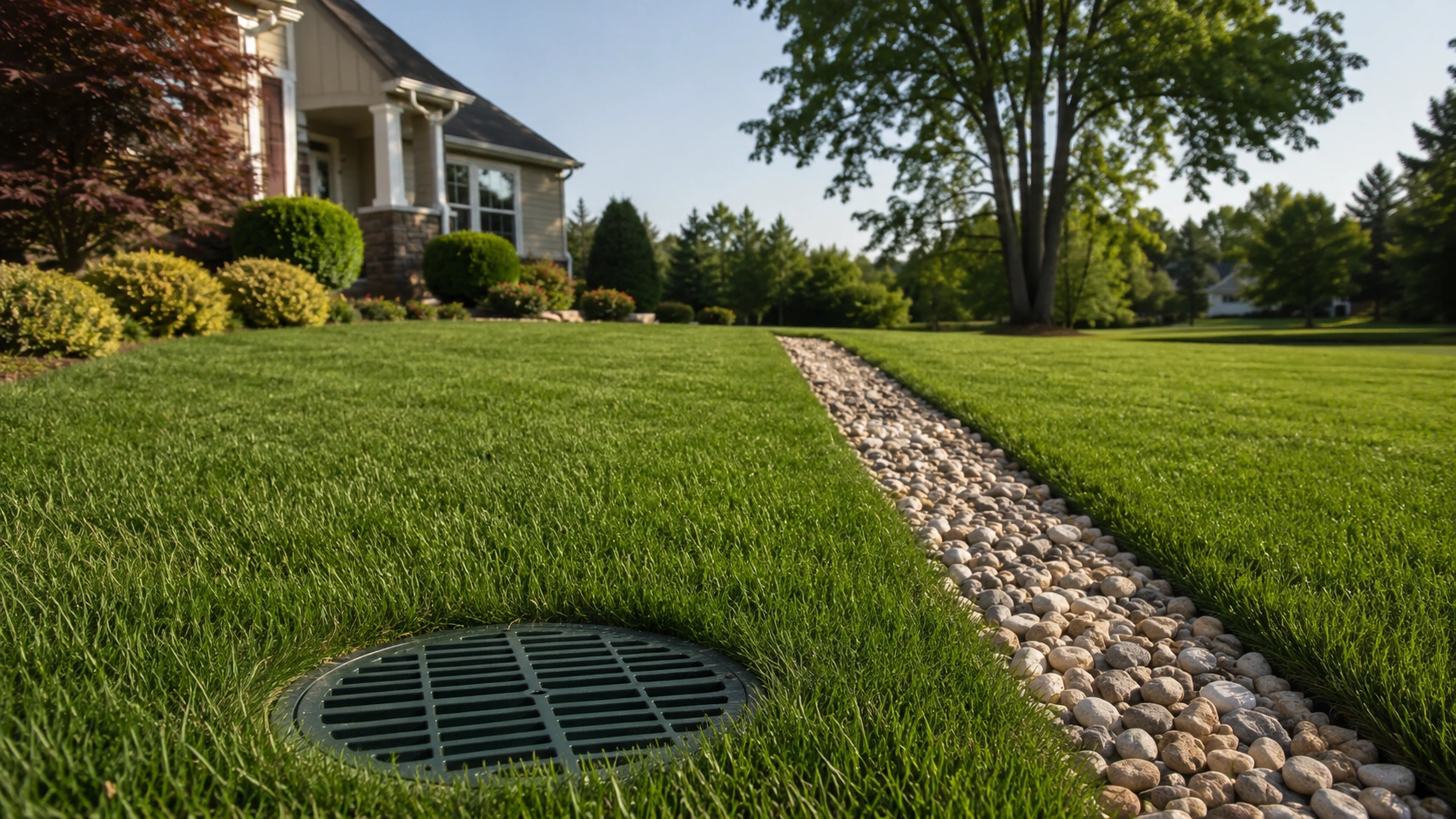
A catch basin handles heavy, fast-moving surface water by collecting it at a single low point through a top grate and directing it into a solid underground pipe. A French drain manages slow-moving, subsurface water over a wide area, using a gravel-filled trench and a perforated pipe to absorb moisture from the surrounding soil and
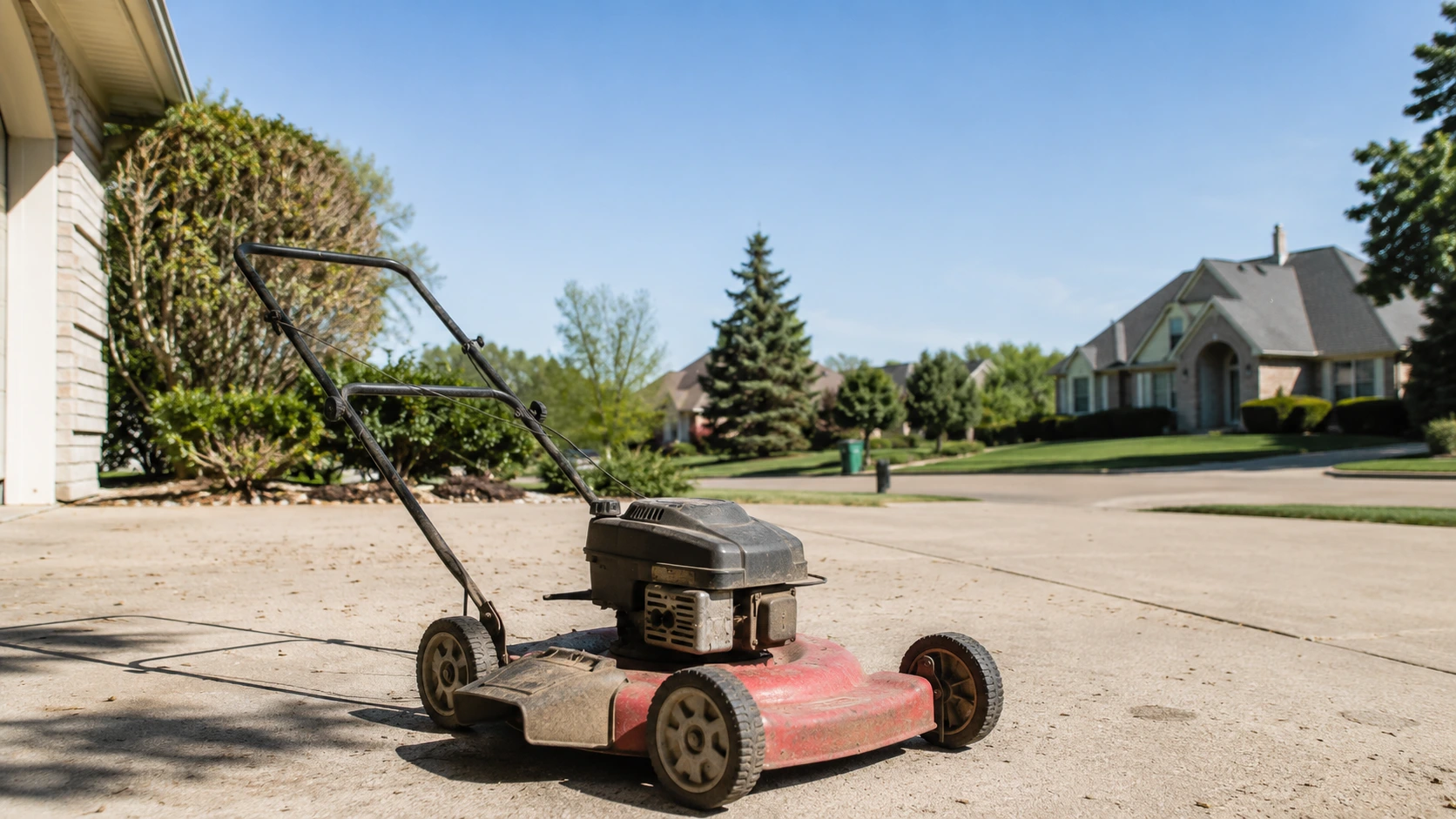
Where to Get Rid of an Old Lawn Mower (Gas & Electric)
May 22, 2026
You can get rid of an old lawn mower by taking it to a local scrap metal yard, a municipal recycling center, or a small engine repair shop. If the machine still works, consider donating it or selling it online for parts. Always drain the gas and oil before transport, as waste facilities reject equipment
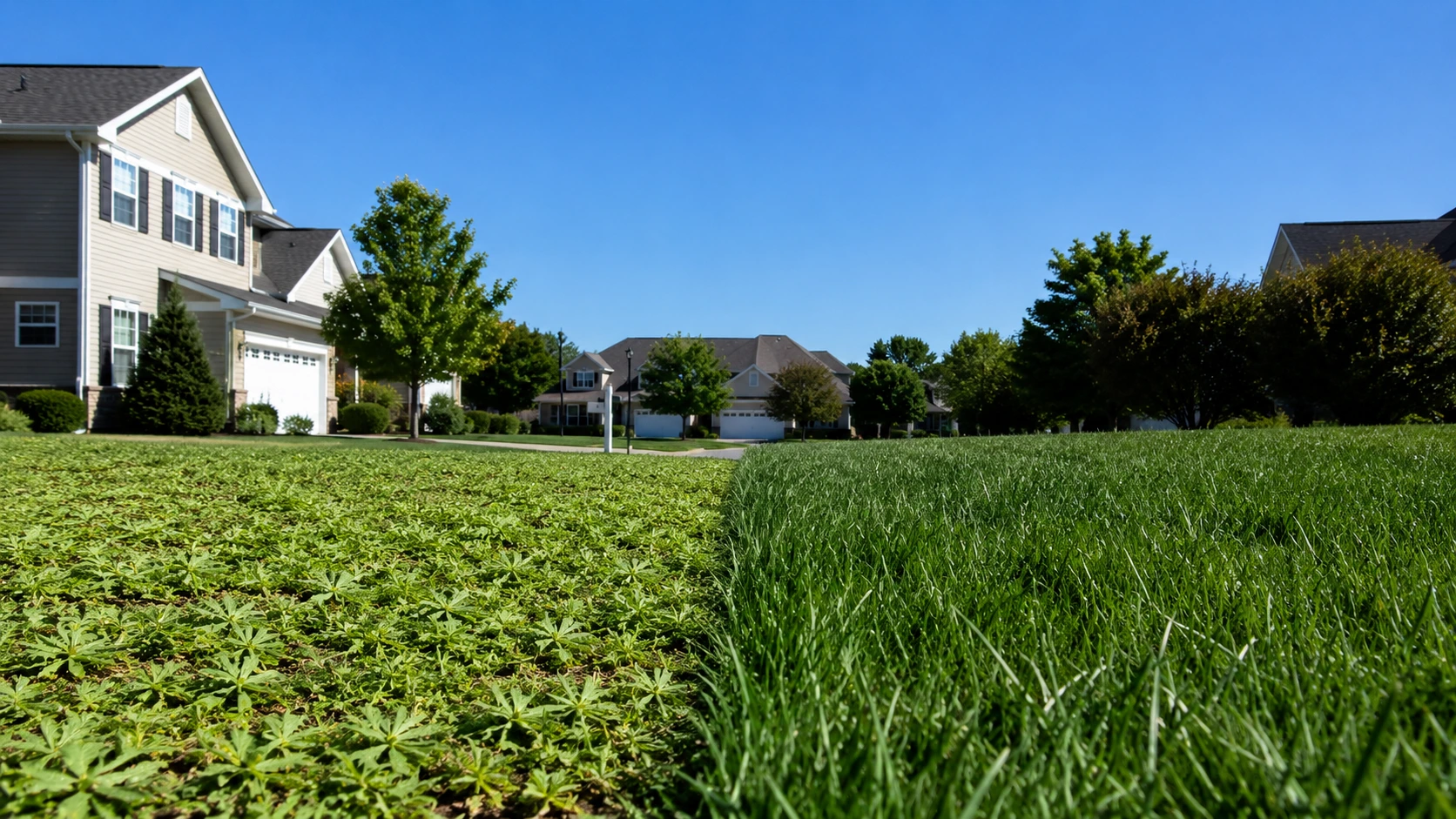
Crabgrass vs Tall Fescue: Field Identification & Eradication
May 21, 2026
Crabgrass is a sprawling, low-growing annual summer weed with light green, hairy leaves that spread laterally like a starfish. Tall fescue is a perennial turfgrass that grows upright in thick, dark green clumps with wide, ribbed blades. Broadleaf and crabgrass killers containing Quinclorac will destroy crabgrass, but they will not harm tall fescue clumps. Identification