
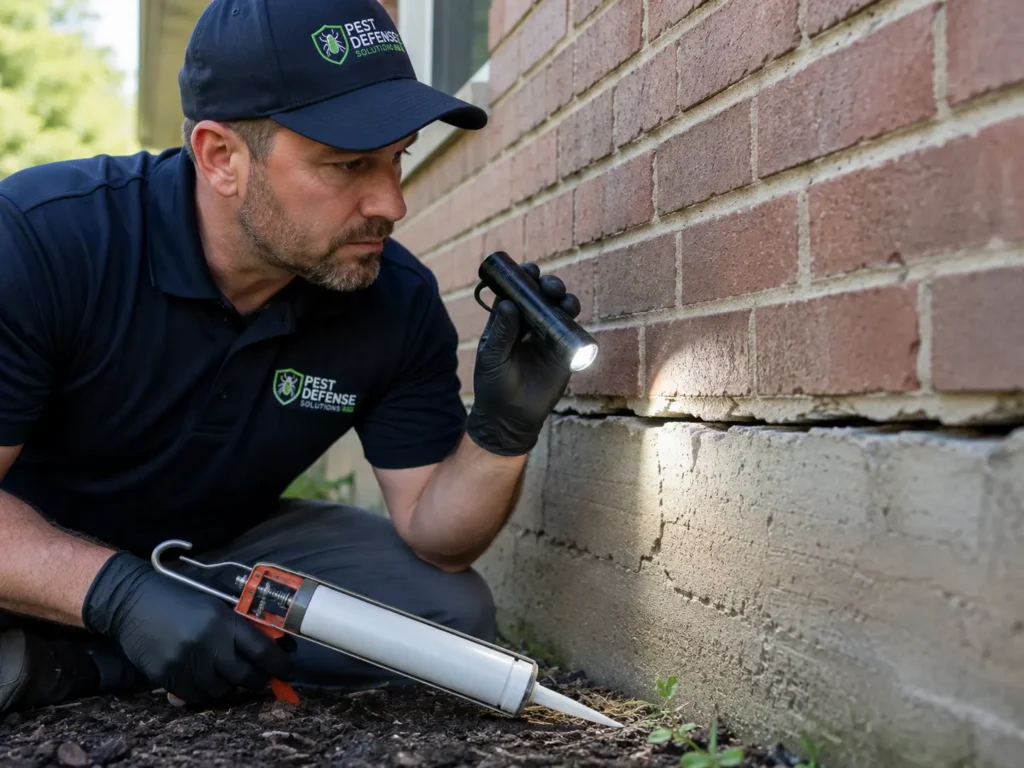
Water bugs—which are almost always Oriental or American cockroaches—get into your house through unsealed utility pipes, weeping holes, damaged weather stripping, and cracks in the foundation. Extreme outdoor temperatures or heavy rainfall drives them indoors in search of high moisture and shelter. To stop an infestation immediately, seal any exterior gap larger than 1/8 inch and eliminate standing water around your home’s perimeter.
Identification Guide: Are You Really Seeing Water Bugs?
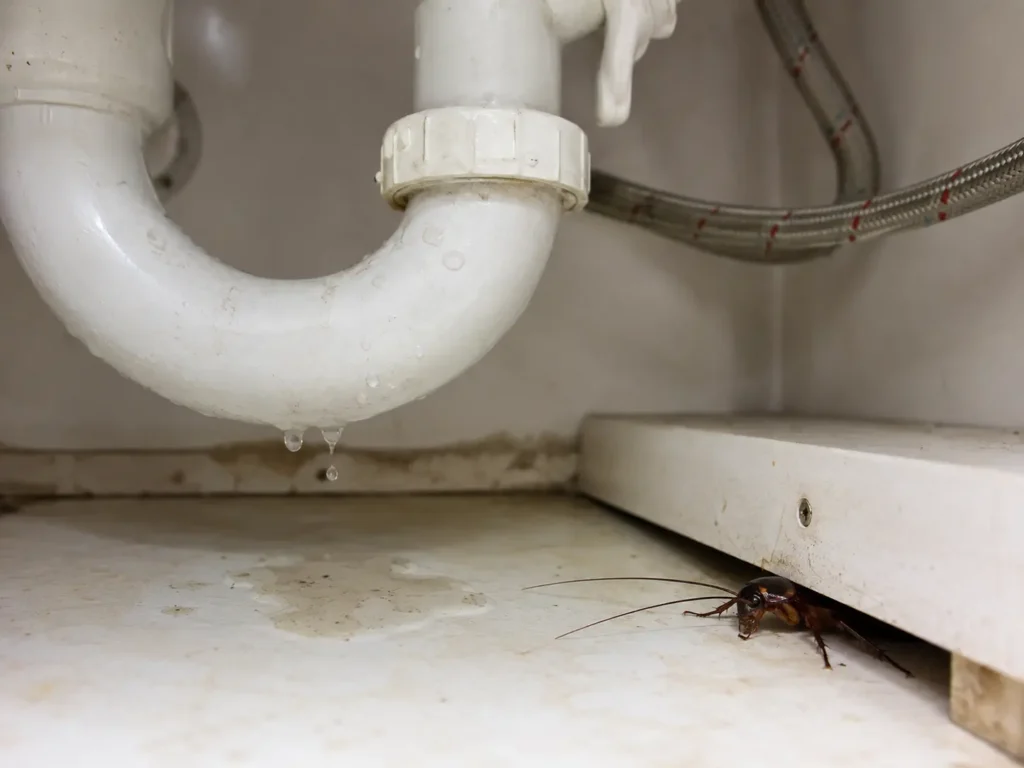
True aquatic water bugs (like the giant water bug) rarely invade homes unless a brightly lit swimming pool attracts them. When US homeowners complain about “water bugs,” they are almost always dealing with Oriental or American roaches. Look for these visual signs:
- Size and Color: Oriental roaches are a glossy dark brown to solid black, measuring roughly 1 to 1.25 inches long. American roaches are reddish-brown and can reach up to 2 inches.
- Behavior: Unlike other fast-moving pests, Oriental roaches are sluggish and cannot fly. They tend to scurry away slowly when the lights turn on.
- Habitat: You will find them grouped around drains, sump pumps, damp basements, or hiding under sinks where leaking pipes drip.
- Musty Odor: A severe infestation produces a distinct, heavy musty smell in enclosed, humid spaces like your crawl space.
Root Causes: Why Is Your Yard Inviting Them?
Pests follow resources. If water bugs are breaching your walls, your yard and foundation are providing the perfect microclimate for them to thrive.
Heavy rainfall often floods storm drains and sewers, forcing these roaches to migrate to higher ground—which usually means your basement. Additionally, improper yard grading that traps pooling water near your foundation creates a constant moisture source. Just as excessive moisture can rot your framing—a problem we discussed in our guide on termite damage vs wood rot—it acts as a beacon for water bugs.
Other common triggers include dripping A/C condenser lines, clogged gutters that spill over onto your siding, and leaving pet food out overnight. If the soil around your foundation stays constantly wet, these pests will naturally push inward looking for a dark, undisturbed place to breed.
Step-by-Step Solution: Pro-Grade Eradication
- Step 1: Perimeter Sealing and Moisture Control Walk the perimeter of your home and inspect the foundation, utility penetrations, and window wells. Use high-quality exterior silicone caulk to seal any crack. Ensure your yard slopes away from the foundation at a drop of at least 6 inches over the first 10 feet. Fix all leaking faucets immediately.
- Step 2: Apply a Chemical Barrier Standard hardware store sprays rarely hold up against heavy rain. Instead, use a professional residual insecticide like Suspend SC (active ingredient Deltamethrin) or Taurus SC (active ingredient Fipronil). Mix exactly 0.8 fl oz per 1 gallon of water in a pump sprayer. Apply a continuous 3-foot band up the foundation wall and a 3-foot band out onto the surrounding yard.
- Step 3: Indoor Gel Baiting For the bugs that have already made it inside, do not use repellent sprays, as this just pushes them deeper into your walls. Apply Advion Roach Gel Bait in tiny, pea-sized drops under sinks, behind the toilet, and near the water heater. They will eat the bait, carry it back to the nest, and eliminate the colony.
Expert Comparison: Water Bugs vs. German Cockroaches
Misidentifying the pest will lead to failed treatments. While both are repulsive, their habits and required treatments are entirely different.
Water bugs (Oriental roaches) thrive in high moisture and stay close to the ground floor or basement. They are large, dark, and require water sources to survive. In contrast, German cockroaches are much smaller (around 0.5 to 0.6 inches), light brown with two racing stripes on their head, and prefer dry or moderately damp areas like kitchen cabinets. German roaches reproduce explosively indoors, while water bugs primarily breed outdoors and wander inside.
If you are seeing smaller pests specifically emerging from electrical plates, you might be dealing with a different issue entirely, like what we cover in our guide on how to safely remove ants in an electrical outlet.
Pro-Tips Box: Lowering indoor humidity is your best passive defense. Install a heavy-duty dehumidifier in your basement or crawl space and set it to maintain a humidity level below 50%. Water bugs cannot survive in dry environments and will dehydrate and die if they cannot find a water source.
What to Read Next
If your home’s moisture levels are high enough to attract water bugs, you are likely at risk for other wood-destroying pests that thrive in the same damp conditions. We highly recommend reading our guide on signs of termites in drywall. It will teach you how to inspect your walls for hidden structural damage before an infestation costs you thousands of dollars in repairs.
People Also Ask (FAQ)
Do water bugs bite humans?
True aquatic water bugs can deliver a painful bite if handled, but the Oriental and American cockroaches commonly found indoors do not bite humans. However, they crawl through sewage and garbage, meaning their legs and bodies carry harmful bacteria that can contaminate your food preparation surfaces and trigger asthma.
Will pouring bleach down the drain kill water bugs?
Pouring bleach down your drains is ineffective and damaging. While direct contact might kill an individual bug, bleach quickly washes away and will not eliminate the nest hiding deep in the sewer pipes. It can also corrode your plumbing and destroy the beneficial bacteria in septic systems.
How long does it take to get rid of water bugs?
If you eliminate the moisture source and apply professional baits like Advion alongside an exterior perimeter spray, you should see a massive reduction within 48 to 72 hours. Total colony elimination usually takes 2 to 3 weeks, provided you keep up with sealing new entry points and maintaining a dry environment.