
About Us
Welcome to Yard Care Science. We bridge the gap between professional turf management and everyday DIY lawn care. Our mission is to provide homeowners with field-tested diagnostics, precise product recommendations, and science-backed solutions to eliminate pests, cure diseases, and build a resilient yard.
Lastest Posts

Why Is My Lawn Mower Smoking White? (And Fast DIY Fixes)
May 20, 2026
Your lawn mower is blowing white smoke because engine oil has entered the cylinder or muffler and is actively burning off. This almost always happens when you overfill the oil reservoir or tilt the mower incorrectly while cleaning the deck. In most common cases, the smoke will clear on its own after running the engine
Stop Chipmunk Damage: Identify & Fix Yard Burrows Fast
May 19, 2026
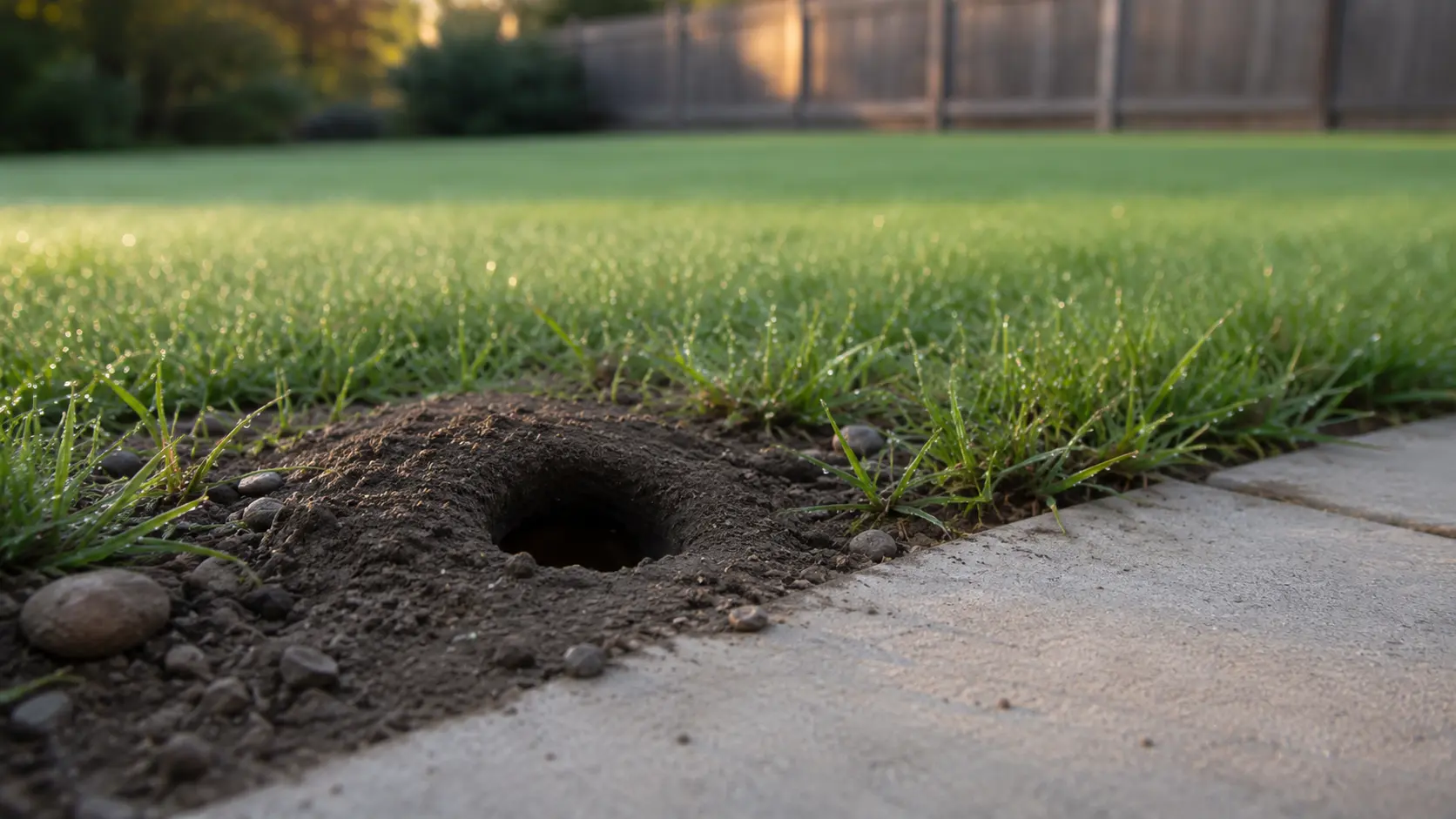
Chipmunk damage appears as clean, 2-inch-wide burrow holes with no dirt mounds around them, usually located near structural foundations, retaining walls, or tree roots. These rodents uproot flower bulbs, steal birdseed, and build complex underground tunnel systems that can ultimately compromise the structural integrity of patios and walkways over time. Identification Guide You need to
What Causes Maggots in Trash Cans? (And How to Kill Them)
May 18, 2026
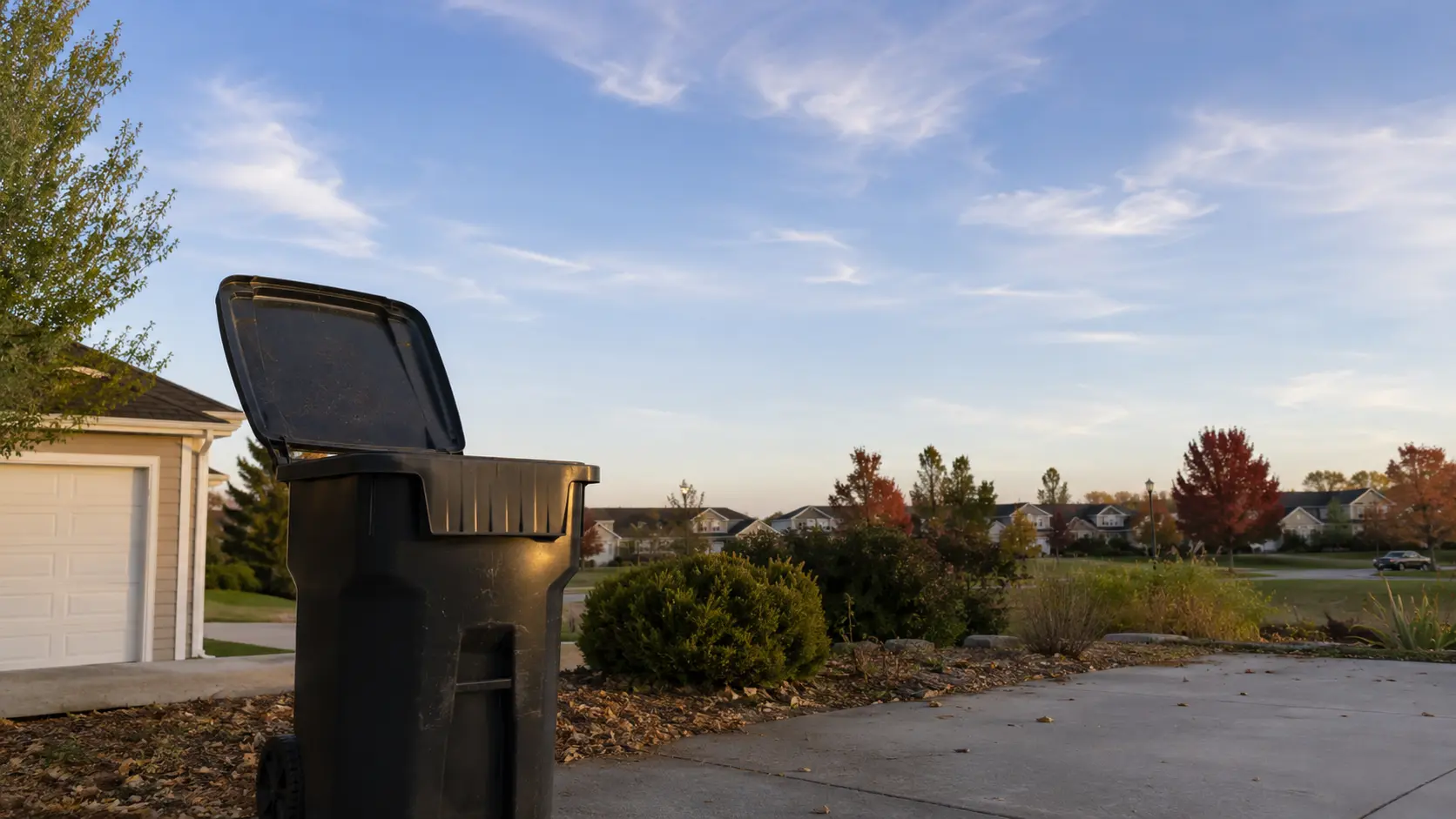
House flies laying eggs on exposed, decaying organic matter cause maggots in your trash. When raw meat, pet waste, or food scraps sit in a warm, unsealed bin, flies detect the odor from miles away. Within 24 hours of landing, a single female fly deposits hundreds of eggs that hatch into maggots. Identification Guide In
Peat Moss Over Grass Seed: Pro Top Dressing Guide (2026)
May 17, 2026
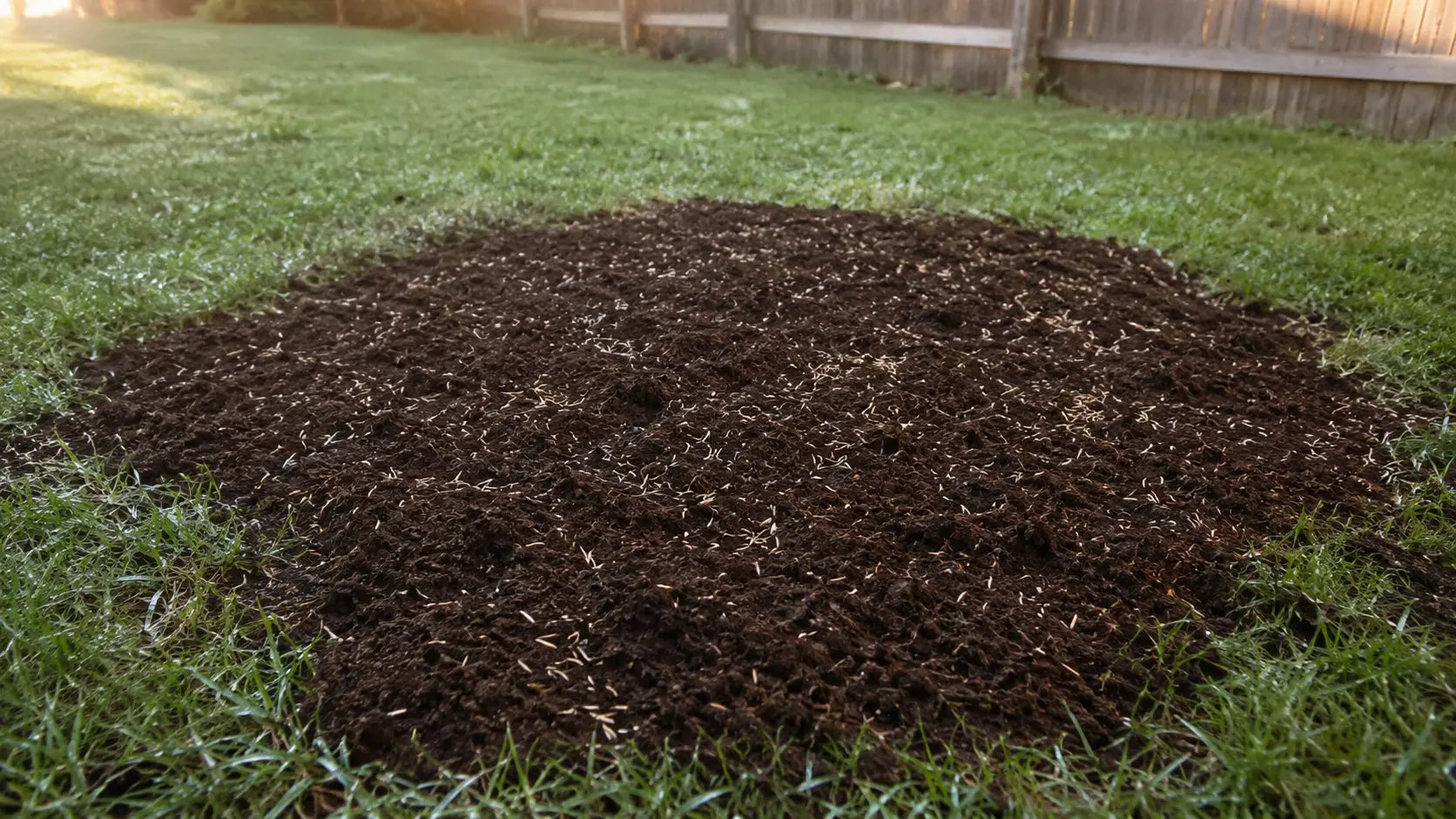
Putting a thin layer of sphagnum peat moss on top of grass seed locks in moisture, hides the seed from hungry birds, and prevents runoff during heavy rain. Apply a 1/8 to 1/4-inch layer evenly over bare dirt patches. If you cover the seed too deep, the new grass shoots won’t be able to push
Creeping Charlie vs Wild Violet: Identify and Kill Them Fast
May 16, 2026
Both weeds produce small purple flowers, but creeping charlie grows on trailing vines with scalloped, coin-shaped leaves and emits a strong minty odor when crushed. Wild violet grows in individual clumps with distinct heart-shaped leaves and lacks any smell. Treating them requires a post-emergent herbicide containing Triclopyr; standard 2,4-D weed killers will fail. Creeping Charlie
How Do Water Bugs Get In Your House?
May 15, 2026
Water bugs—which are almost always Oriental or American cockroaches—get into your house through unsealed utility pipes, weeping holes, damaged weather stripping, and cracks in the foundation. Extreme outdoor temperatures or heavy rainfall drives them indoors in search of high moisture and shelter. To stop an infestation immediately, seal any exterior gap larger than 1/8 inch
Nutsedge vs Quackgrass: Direct Solutions for Invasive Lawn Weeds
May 14, 2026
To tell nutsedge from quackgrass, roll the stem between your fingers: nutsedge has a triangular stem (“sedges have edges”), while quackgrass has a round, hollow stem. Both are aggressive perennial weeds, but nutsedge requires specific sedge-control herbicides like Halosulfuron, whereas quackgrass generally requires non-selective treatments like Glyphosate or targeted wiping. Identification Guide: Tell Them Apart
What Animal Digs Holes in My Yard?
May 13, 2026
The most common animals digging holes in your yard are skunks, raccoons, moles, and voles. If you wake up to find shallow, cone-shaped holes across your turf, it’s almost certainly a skunk or raccoon hunting for grubs, whereas raised ridges and volcano-shaped dirt mounds point directly to underground mole activity. Identification Guide: Who Is Wrecking
How to Eliminate an Ants Nest in Wall Voids
May 12, 2026
If you have an ants nest in wall voids, do not spray contact killers; instead, use slow-acting bait like Terro Liquid Ant Baits or apply an insecticidal dust such as Delta Dust into the wall gaps. This ensures the worker ants carry the poison back to the queen, effectively destroying the entire colony hidden behind
How to Keep Spiders Out of Mailbox: A Pro’s Guide
May 11, 2026
To effectively solve how to keep spiders out of mailbox, apply a residual insecticide like Bifenthrin to the exterior post and base, strictly avoiding the interior mail compartment. Clear overgrown vegetation within a 2-foot radius, and place a cotton ball soaked in 15 drops of peppermint oil inside the box as a safe, natural deterrent.