
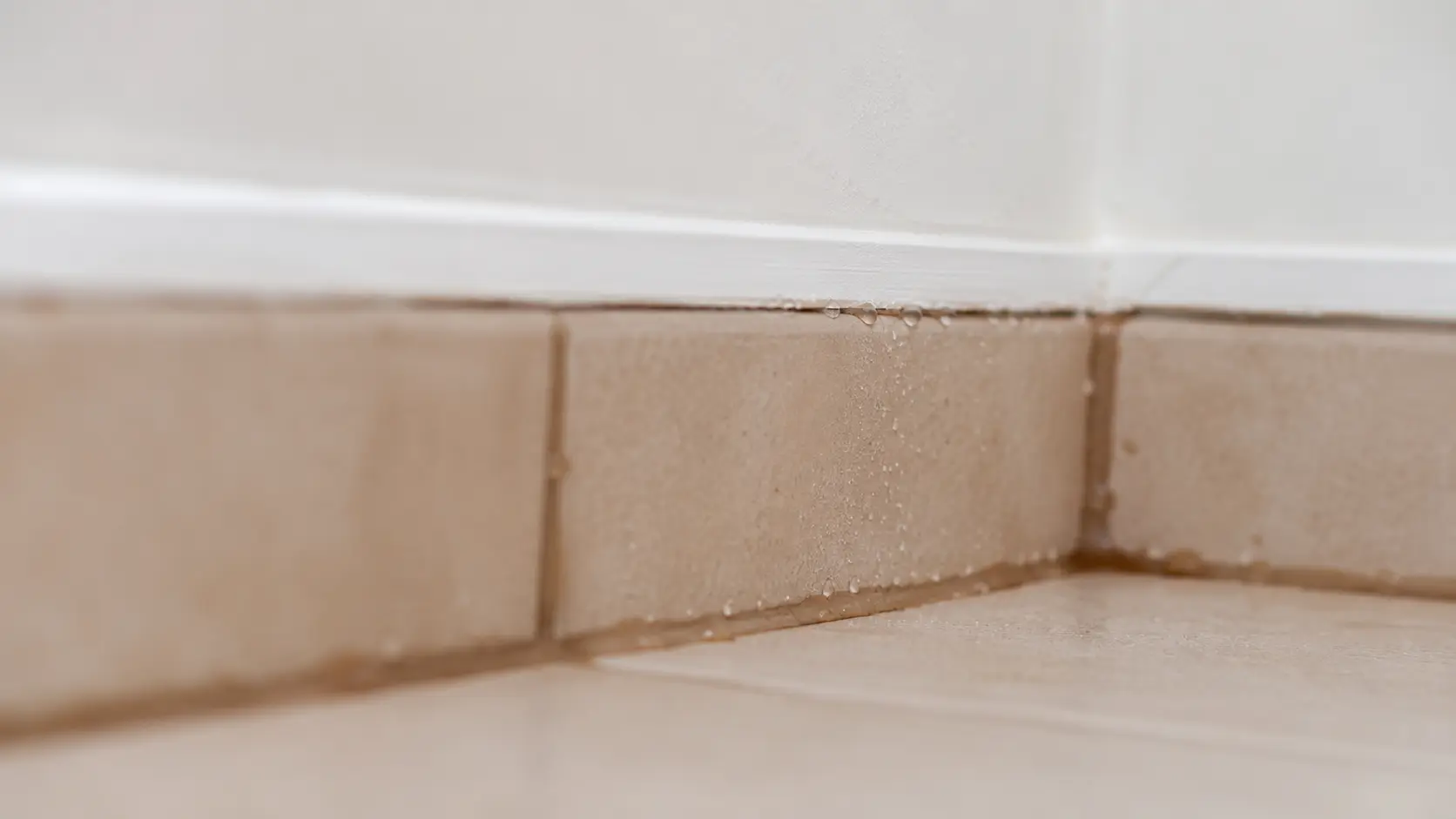
The fastest natural remedy for springtails is eliminating their moisture source while applying a localized knockdown spray of equal parts white vinegar and water. Because springtails breathe through their skin, acidic liquids and desiccants like Diatomaceous Earth kill them quickly without the need for synthetic pesticides.
Eradication Plan (Step-by-Step)
Getting rid of springtails requires breaking their habitat first, then treating the existing population. I’ve seen homeowners empty entire cans of standard bug spray at these insects, only to have them return three days later because the underlying micro-climate didn’t change.
Step 1: Crash the Humidity Levels
Springtails cannot survive dry conditions. If you strip the moisture from the air and surfaces, they will literally dry out and die within a few days.
- Place a portable dehumidifier in the infested room and set it to drop the relative humidity below 50%.
- Run bathroom exhaust fans for at least 30 minutes after showering.
- Point a standard box fan directly at damp baseboards or under-sink cabinets to accelerate evaporation.
Step 2: Apply Food-Grade Diatomaceous Earth (DE)
Diatomaceous earth is a natural, abrasive powder made from fossilized algae. It works mechanically, cutting the springtails’ exoskeletons and absorbing their body fluids.
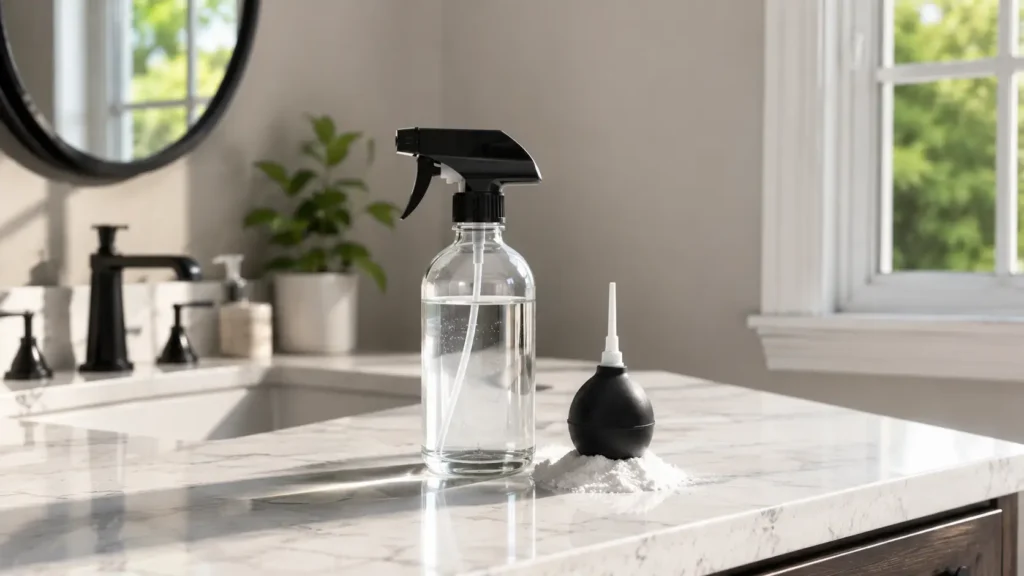
- Use a bulb duster to puff a fine, barely visible layer of Food-Grade DE into cracks, crevices, baseboards, and under sinks.
- If springtails are in your houseplants, sprinkle a thin layer of DE directly onto the topsoil.
- Wait time: DE takes 24 to 48 hours to kill insects that crawl through it. Reapply if the powder gets wet, as moisture neutralizes its cutting ability.
Step 3: Vinegar and Dish Soap Knockdown Spray
For the visible springtails congregating around drains or windowsills, you need an immediate contact killer.
- Mix 1 cup of distilled white vinegar, 1 cup of water, and 1 teaspoon of liquid dish soap (like Dawn) in a spray bottle.
- Spray directly onto the insects. The vinegar’s acidity disrupts their cell membranes, while the dish soap traps them and breaks surface tension.
- Wipe up the dead bugs and excess liquid after 10 minutes.
Identification & Misdiagnosis
Because they are tiny (1/16 to 1/8 inch long) and jump erratically when disturbed, springtails are constantly misdiagnosed as fleas. Treating for fleas when you have springtails is a massive waste of money and time.
Springtails jump using a microscopic, tail-like appendage called a furcula folded beneath their abdomen. Unlike fleas, they do not have the mouthparts to bite humans or pets. If you are waking up with itchy bites on your ankles, you have a flea or bed bug issue. If you simply see thousands of tiny gray or white specks bouncing around a damp shower pan or a leaky potted plant, you are looking at springtails.
Root Causes & Attractants
Springtails are an indicator pest. They don’t invade your home because they want your food; they invade because a localized area of your house mimics the damp, decaying organic matter found in forest leaf litter.
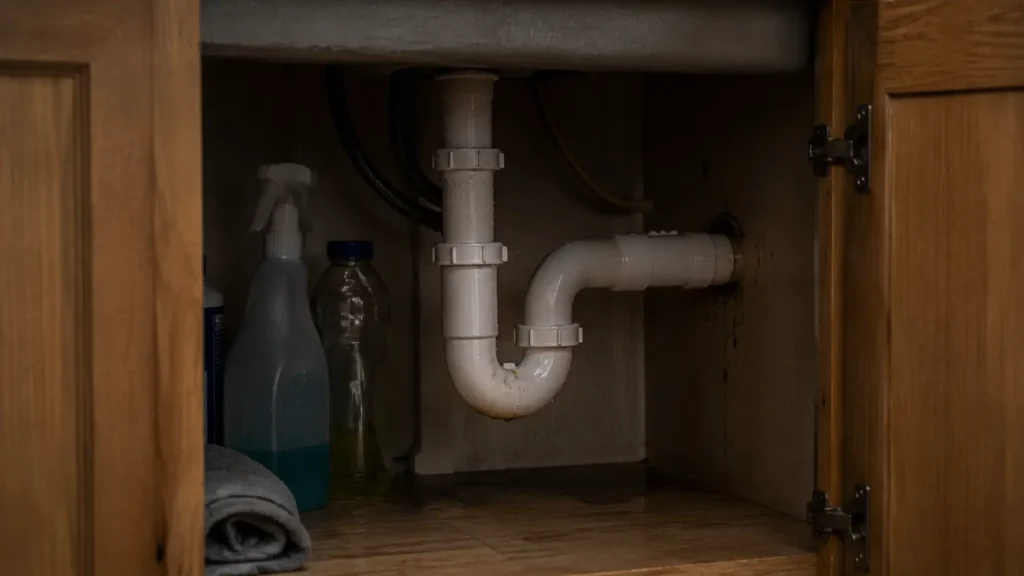
- Leaky Plumbing: A slow drip from a P-trap under the kitchen sink or a weeping valve behind a toilet creates a perfect breeding ground.
- Overwatered Houseplants: Soaked potting soil, especially peat-heavy mixes, grows fungi and mold. Springtails feed heavily on this microscopic fungal growth.
- Exterior Entry Points: Heavy rainfall can drive outdoor springtail populations inside. If your exterior foundation lacks proper grading or if mulch touches the siding, they will easily transition under door sweeps into your home.
Pro-Tips Box: The biggest mistake I see in the field is homeowners pouring pure bleach down their bathroom drains thinking it will kill a springtail nest. Springtails rarely breed inside the actual PVC pipe; they breed in the damp void around the plumbing penetration or under the subfloor. Instead of wasting money on harsh chemicals, seal the gap around the pipe escutcheon plate with clear silicone caulk and run a portable dehumidifier to drop the room’s relative humidity below 50% for at least 72 hours to crash the breeding population.
Pet & Child Safety Warnings
While natural remedies are vastly safer than synthetic pyrethroids like Bifenthrin or Fipronil, they still require basic safety protocols.
Food-Grade Diatomaceous Earth is non-toxic if ingested, but it is a fine silica-based dust. Keep pets and children out of the room while applying it to prevent inhalation, which can irritate the lungs. Once the dust settles into the cracks, it is completely safe. Additionally, if you choose to incorporate essential oils (like peppermint or cedarwood) into your vinegar spray for a stronger repellent effect, check with your vet first. Many concentrated essential oils are highly toxic to cats and dogs if absorbed through their paws or ingested.
Professional vs. DIY
In most residential scenarios, springtails are a highly solvable DIY problem. Because their survival is entirely dependent on moisture, physical environmental changes often work better than professional pesticide applications.
| Feature | DIY Natural Methods | Professional Pest Control |
| Cost | Under $20 | $150 – $300 |
| Speed | 1–3 days (with drying) | 24 hours |
| Effectiveness | High (if leak is fixed) | High (temporary if leak remains) |
| Risk | Very Low | Low to Moderate |
You should call a professional exterminator—and likely a plumber—if you dry out the area and apply natural barriers, but thousands of springtails continue to appear daily. A massive, relentless indoor population often indicates hidden structural moisture, such as rot behind drywall or a severe plumbing leak inside a wall void. In these cases, a pest control tech can use specialized foaming agents to treat wall voids, though the structural repair will still fall on you.
Prevention Tips
To keep these persistent jumpers out of your living spaces permanently, you need to manage your home’s moisture footprint.
- Adjust watering schedules: Let the top 2 inches of soil in your houseplants dry out completely before watering again.
- Create a perimeter barrier: Pull mulch, wet leaves, and dense groundcover at least 12 inches away from your home’s exterior foundation.
- Seal entryways: Install tight-fitting door sweeps and weatherstripping on all exterior doors, especially those leading to damp basements or crawlspaces.
- Monitor humidity: Keep a cheap digital hygrometer in notoriously damp areas (bathrooms, basements) to ensure the relative humidity stays below 50%.
People Also Ask
Do springtails live in beds?
No, springtails do not live in beds because mattresses are too dry for them to survive. If you find tiny jumping bugs in your bed, you are likely dealing with fleas or bed bugs, which require entirely different eradication methods.
Will baking soda kill springtails?
Baking soda can dry out the immediate area and act as a mild deterrent, but it is not a highly effective contact killer. Food-grade Diatomaceous Earth is vastly superior because its sharp microscopic edges physically cut the insects’ exoskeletons.
How long does a springtail infestation last?
An infestation will last indefinitely as long as the localized moisture source remains active. Once you eliminate the dampness, fix any underlying leaks, and apply a natural desiccant dust, the existing population will typically die off within three to five days.
What to Read Next
Moisture issues that attract springtails can often draw in more destructive pests if left unchecked. If you have damp wood in your home, you might start noticing structural damage, which is why knowing how to use boric acid for carpenter ants can save you from a much larger and more expensive infestation down the road.